RBI Monetary Policy: Central Bank Shocks With Unplanned Repo Rate, CRR Hikes
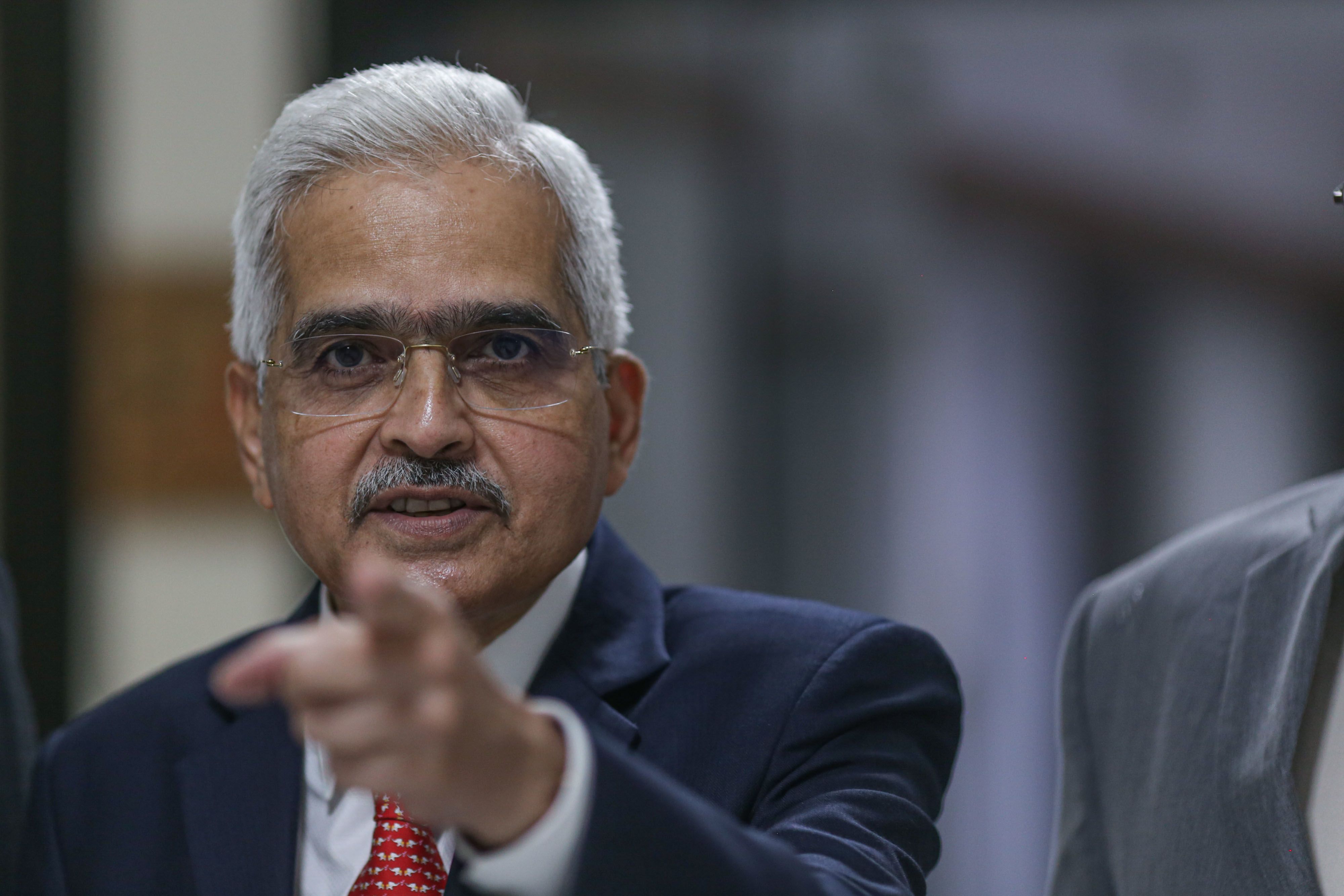
India's monetary policy committee raised rates by 40 basis points in an out-of-turn meet on Wednesday amid rising inflation concerns. The central bank raised the cash reserve ratio for banks by 50 basis points in an effort to pull out a large surplus of liquidity in the system.
Following the review:
The repo rate was increased to 4.4% from 4%.
The standing deposit facility will be offered at 4.15%, 25 basis points below the repo rate.
The marginal standing facility will be offered at 4.65%; 25 basis points above the repo rate.
The reverse repo rate stands unchanged at 3.35%.
The MPC decided to hold an off-cycle meeting to reassess the evolving inflation growth dynamics, RBI Governor Shaktikanta Das said. The inflation outlook needs a resolute and timely response to ensure that long-term inflation expectations are anchored, Das said. An MPC action at this juncture will help ensure macroeconomic stability, he added.
The MPC also decided to remain accommodative while focusing on withdrawal of accommodation to ensure that inflation remains within the target going forward, while supporting growth.MPC Resolution
Alongside, the cash reserve ratio has been raised by 50 basis points to 4.5%, effective May 21, Governor Das said. The withdrawal of liquidity due to this increase would be to the order of Rs 87,000 crore.
The average surplus liquidity in the banking system was at over Rs 7 lakh crore in April, he said. This had led to the weighted average call rate dipping below the standing deposit facility rate, he added. Even with the CRR hike, the RBI will ensure adequate liquidity for productive needs of the economy.
Inflation and Growth Outlook
Heightened uncertainty surrounds the inflation trajectory, which is heavily contingent upon the evolving geopolitical situation, the MPC's resolution stated.
Global commodity price dynamics are driving the path of food inflation in India, including prices of inflation-sensitive items that are impacted by global shortages due to output losses and export restrictions by key producing countries.
International crude oil prices remain high but volatile, posing considerable upside risks to the inflation trajectory through both direct and indirect effects.
Core inflation is likely to remain elevated in the coming months, reflecting high domestic pump prices and pressures from prices of essential medicines.
The worsening external environment, elevated commodity prices and persistent supply bottlenecks pose formidable headwinds, along with volatility spillovers from monetary policy normalisation in advanced economies, stated the MPC resolution. "On balance, the Indian economy appears capable of weathering the deterioration in geopolitical conditions but it is prudent to continuously monitor the balance of risks."
In this milieu, the MPC expects inflation to rule at elevated levels, warranting resolute and calibrated steps to anchor inflation expectations and contain second round effects.MPC Resolution
Taking into account the continuing pick-up in inflation, the central bank had revised its inflation projection to 5.7% in 2022-23 from an earlier projection of 4.5%. Inflation is projected at 6.3% in the April-June quarter, exceeding the RBI's upper target of 6%. GDP growth for 2022-23 is now projected at 7.2% from an earlier projection of 7.8%.
This is the first time that the MPC has hiked rates in two years, when it brought repo rate down to a record low of 4% in a bid to firefight the impact of the pandemic on the economy. It had last raised rates in August 2018.

-
High US Salaries, No Green Card Certainty: The Financial Calculation Facing Indian H-1B Families

The suspension of PERM processing at eight technology employers does not cancel existing H-1B visas. What it does is force a question many Indian families have been avoiding: is the US salary worth tying your career and family plans to one employer?
-
Swiggy vs Eternal: Food Delivery's Two Rivals Are No Longer In The Same Race
Eternal is building a private AI assistant, dark.ai. Swiggy is still working out how to make Instamart pay, with an operating loss of Rs 895 crore in the July-September quarter while Blinkit stayed profitable.
-
Where You Live Shapes How You Get To Work | The Reason Why
Two-wheelers are the most popular way to get to work in India, accounting for nearly 43% of workplace commutes.
-
Unhedged Position: Can India See An Indonesia-Style Time Correction?
The Nifty is trading below levels it first clocked in 2024. Is there, then, as I have suggested in the headline, potential that the current time correction drags on painfully for the next three-five, even ten years?
-
Navigating Friction And Energy Realities: An Analysis Of Marco Rubio's October Visit To India
Occurring at a critical juncture marked by stalled trade negotiations and escalating geopolitical pressures over global energy supplies, the visit offers a profound window into modern US-India relations.
-
India Exports Capital. Why Not Export Trusteeship?
The big question, then, is whether India can build an institution that global borrowers, investors, banks, and lawyers can trust, even without an Indian connection.
-
France's Economy & Politics Are In Crisis | The Reason Why
Let's look at how the French economy and politics evolved under Nicolas Sarkozy, Franois Hollande and Emmanuel Macron.
-
You May Inherit The Business. You Must Earn Its Credibility.
Succession tests the founder's ability to share authority as much as it tests the next generation's readiness to assume it.
-
Signing Deals Is One Thing; Making Them Work Is Another | The Week In Whys
Sometimes, things don't turn out as planned. Indian companies have lost some bids to rivals, some projects won't produce until 2030.
-
FOMC Wall, PERM Suspension, Hospital Stocks | Talking Points This Week
A PERM suspension would directly affect green-card sponsorship rather than H-1B visas, so the near-term earnings impact could remain relatively limited. The key question is whether this marks a new phase in US scrutiny of Indian IT.









