BSE Q3 Results: Profit Falls 37% As Settlement Fund Outgo Rises To Rs 200 Crore
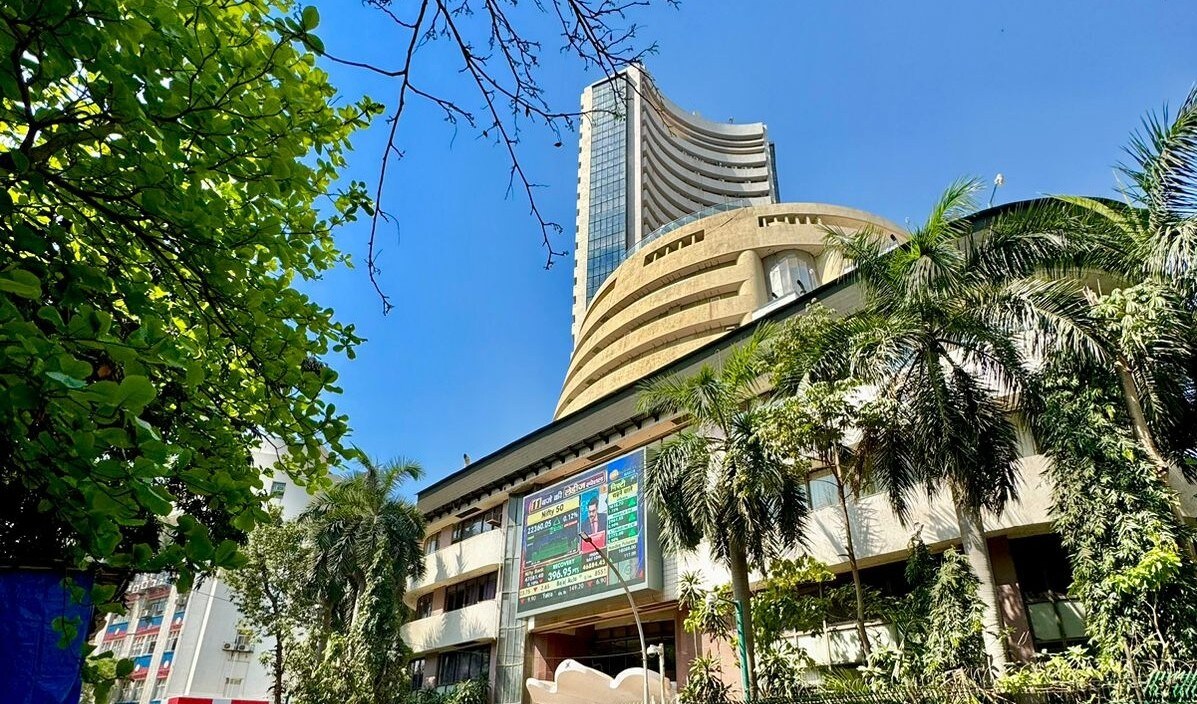
Asia's oldest stock exchange, BSE Ltd., reported a 37% sequential decline in its bottom line, even as the revenue rose 4% in the same period.
The operating earnings before interest, taxes, depreciation, and amortisation also declined as the company's contribution to a guarantee fund rose to Rs 199 crore in the quarter ended Dec. 31.
The core settlement guarantee fund is maintained by clearing corporations to ensure that trades are settled on time. It is used to fulfill obligations of a clearing member who fails to settle on time.
Operating Ebitda, while taking into account the contribution to the core SGF, saw a 39% decline on the quarter, while its margin against the top line came up to 31% against 52% in the September quarter.
BSE Q3 FY25 Highlights (Consolidated, QoQ)
Revenue rose 4% to Rs 774 crore versus Rs 746 crore.
Operating Ebitda fell 39% to Rs 237 crore vs Rs 389 crore.
Operating Ebitda margin fell to 31% vs 52%.
Net profit fell 37% to Rs 220 crore versus Rs 347 crore.
Contribution to core SGF rose to Rs 199 crore versus Rs 19 lakh.
The consolidated revenue from transaction charges for the third quarter rose nearly 1% to Rs 511 crore, despite a broad-based reduction in volumes across cash market and derivatives segments.
To put things in perspective, the Indian market regulator, SEBI, in a bid to curb excessive speculation in equity derivatives, proposed new measures in July 2024, including increasing the lot size and mandating the upfront collection of option premiums from buyers by trading members and clearing members.
However, BSE's average daily premium turnover for the quarter continued to see an increase, rising to Rs 8,758 crore, a 7% quarter-on-quarter jump and a 3.4 times year-on-year increase.
BSE Q3 Topline Breakdown (Consolidated, QoQ)
Transaction charges rose 1% to Rs 511 crore from Rs 507 crore.
Treasury income on clearing and settlement funds fell 23% to Rs 49 crore from Rs 63 crore.
Corporate services income rose 26% to Rs 150 crore from Rs 120 crore.
"Whilst the road ahead will not be without challenges, we are optimistic about 2025," BSE Chief Executive Sundararaman Ramamurthy said.
Earlier, the National Stock Exchange Ltd. had said in its quarterly earnings that its subsidiary NSE Clearing failed to meet SEBI-mandated liquidity requirements for the core settlement guarantee fund, reporting a shortfall of Rs 177 crore. It said that this deficit was primarily due to the non-receipt of Rs 312 crore in dues from BSE.
Now, BSE, in a post-earnings call with analysts said that it is difficult for the bourse to forecast the SGF outgo for each quarter, and that the regulator's new methodology led to the rise in contribution to Rs 199 crore from Rs 19 lakh in the previous quarter.
BSE said that as volumes in open interest increase, core SGF contribution is also likely to increase for the exchange.
Before the quarterly results were declared, shares of BSE settled 4.65% lower at Rs 5,562 apiece on the NSE, compared to a 0.39% decline in the benchmark Nifty.

-
'Never Seen This Level Of Negativity': Sandeep Tandon Says The Next Rally May Be Closer Than You Think

Veteran investor Sandeep Tandon says foreign selling is easing, large-caps are due a comeback and mid-caps are crowded, while he turns positive on gold, power and pharma this Diwali.
-
Indians Stay With Family, Not In Hotels | The Reason Why
India still lacks enough clean, reliable and affordable hotels for budget-conscious travellers.
-
The Economic Imperative: Analysing The Material Driving Force Behind India-Canada Strategic Reset
This economic complementarity is further reinforced by deep institutional investment ties and talent mobility, which form the bedrock of the bilateral framework.
-
Medicine Pricing: Where Must Profit Stop?
India must confront excessive margins, hidden incentives and regulatory gaps that threaten the integrity of medicine.
-
Why Amazon And Flipkart Are Struggling To Beat Meesho In India's Smaller Cities
With 274 million users and lowest-cost logistics, Meesho is defending its value commerce crown against giants like Amazon and Flipkart.
-
High US Salaries, No Green Card Certainty: The Financial Calculation Facing Indian H-1B Families
The suspension of PERM processing at eight technology employers does not cancel existing H-1B visas. What it does is force a question many Indian families have been avoiding: is the US salary worth tying your career and family plans to one employer?
-
Swiggy vs Eternal: Food Delivery's Two Rivals Are No Longer In The Same Race
Eternal is building a private AI assistant, dark.ai. Swiggy is still working out how to make Instamart pay, with an operating loss of Rs 895 crore in the July-September quarter while Blinkit stayed profitable.
-
Where You Live Shapes How You Get To Work | The Reason Why
Two-wheelers are the most popular way to get to work in India, accounting for nearly 43% of workplace commutes.
-
Unhedged Position: Can India See An Indonesia-Style Time Correction?
The Nifty is trading below levels it first clocked in 2024. Is there, then, as I have suggested in the headline, potential that the current time correction drags on painfully for the next three-five, even ten years?
-
Navigating Friction And Energy Realities: An Analysis Of Marco Rubio's October Visit To India
Occurring at a critical juncture marked by stalled trade negotiations and escalating geopolitical pressures over global energy supplies, the visit offers a profound window into modern US-India relations.










