Special Allowances Part Of Basic Wage, Provident Fund Calculation: Supreme Court
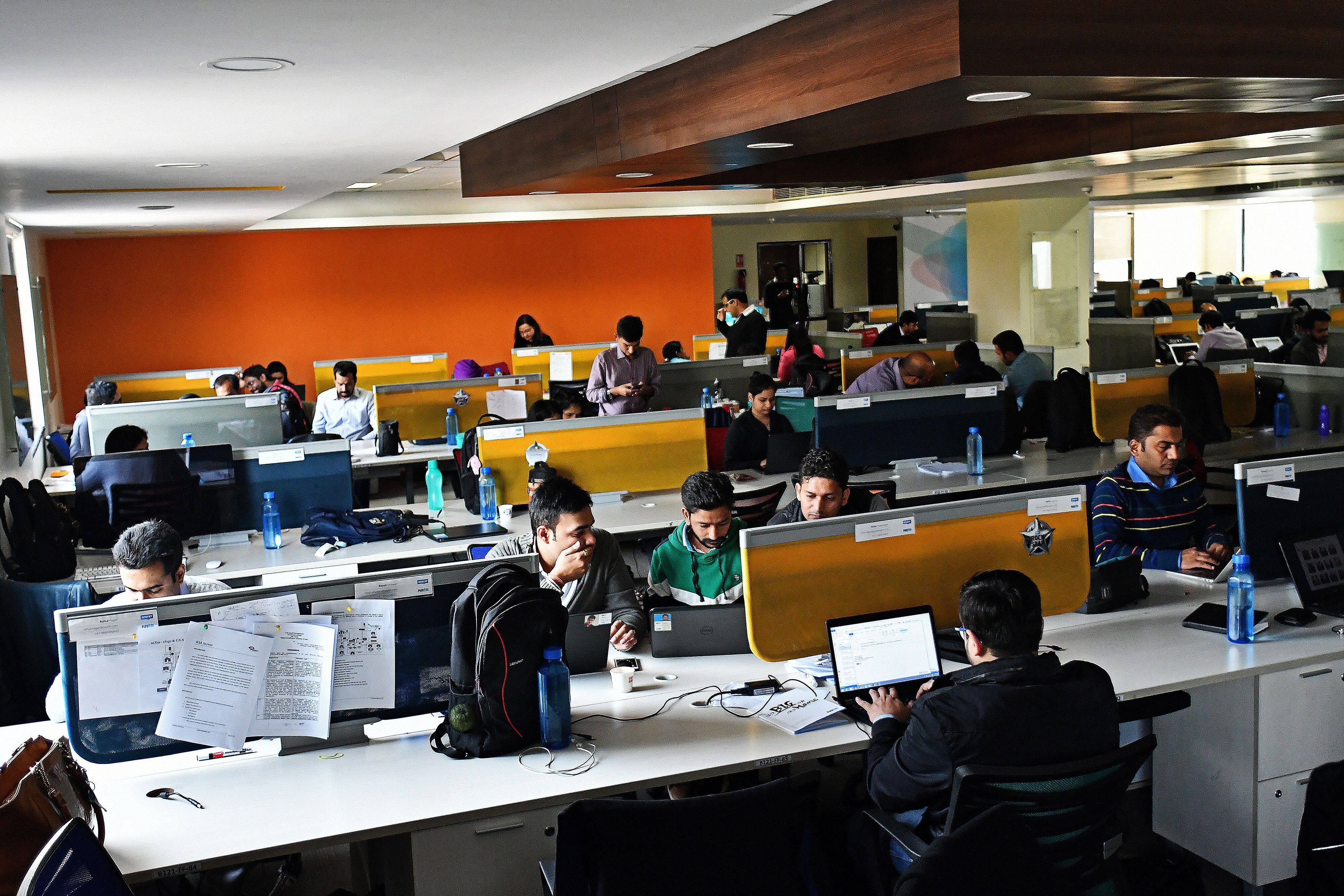
Special allowances given to employees, besides dearness allowance, retaining allowance and cash value of any food concession, will fall under ‘basic wage' for calculation of provident fund contributions, the Supreme Court ruled.
A two-judge bench of Justices Arun Mishra and Navin Sinha, in their verdict on Feb. 28, held that special allowances such as conveyance, canteen, education, medical, management and city compensatory allowances, special holidays and night shift incentives will be included as part of the basic wages liable to deduction unless the employer is able to demonstrate that such an allowance is:
- Linked to any incentive for production resulting in greater output by an employee; or
- Not paid across the board to all employees in a particular category; or
- Being paid especially to those who avail the opportunity.
As of now, the provident fund contribution, as per the Employees' Provident Funds (Amendment) Scheme, 2014, is paid equally by the employer and the employee at 12 percent of the ‘monthly pay' which constitutes—basic wages, dearness allowance, cash value of food concession and retaining allowance.
Passing a combined judgment on five civil lawsuits, the apex court ruled in the favour of Provident Fund Authority on the grounds that the allowances in question were essentially part of the basic wage camouflaged as an allowance to avoid deduction and contribution to the provident fund account.
The judgement is silent on a provision that makes provident fund contribution compulsory for those earning a basic salary on up to Rs 15,000 at the time of joining a company. For such employees, the contribution remains the same for the rest of their tenure even if their basic wage increases at a later stage. Those with a basic pay of more than Rs 15,000 at the time of their joining can choose not to contribute to the provident fund and can limit their contribution on a minimum of Rs 15,000.
“The ruling will impact those who earn a basic salary of less than Rs. 15,000 such as domestic workers, freshers and junior staff, as their allowances will be counted as basic wages, increasing their PF contribution on up to Rs 15,000,” said Puneet Gupta, tax director, People Advisory Services, EY India. International workers in India will also face a higher PF contribution as the limit of Rs 15,000 for compulsory deduction is not available to them, he said.
Ishita Sengupta, partner-personal tax at PwC India, said the ruling delves into the substance of components of pay rather than just the nomenclature by relying on factual justification for each allowance to determine what should constitute basic wages. “There will still be some subjectivity on which specific allowances may not be included as part of basic wage. So, one will have to go by the nature of the payment and the reason why it has been paid.”

-
Talking Points This Week: Tech Nerves, FII Buying, And A Faraway Banking Shock

The global markets are not shining this Diwali. The exception in the large markets is, India.
-
Midterm Rally Lasted A Day. The Hard Reality Of A Divided US May Last Two Years | Opinion
Between a contested AI boom, a debt ceiling that arrives in 2027 and a president with every incentive to act alone, the next two years may prove more volatile than the first day's rally suggests.
-
Blue Wave Will Derail the AI Trade but Won't Dismantle the AI Era | Unhedged Position
The Democrats' sweep of the US Congress will see politics collide with economic forces both over the long and short term.
-
It's Time To Take The GST Council's Bet On Trust Global
Payment records can prove India's services exports, and clear, proportionate rules can bring foreign digital sellers into the tax net.
-
Opinion | India at 38: From Innovation Overperformer to Innovation Powerhouse
India now has 453 VC-backed deep science startups, 18 of them late-stage, after 117 percent growth since 2020. Laurus Labs, at USD 9.3 billion, is the most valuable deep science company in any middle-income economy outside China.
-
Navigating Energy Crossroads: S Jaishankar's Call For Diversified Supply Chains At G20 Ministerial Meeting
As geopolitical fault lines continue to test maritime trade routes and commodity flows, Jaishankar's message remains pertinent: true economic resilience requires open markets, protected transit lines, and a genuine commitment to multilateral cooperation rather than coercion.
-
Indians Are Travelling, But Not Every Journey Is A Holiday | The Week In Whys
Pilgrims, patients and working women are the real travellers, and the system hasn't quite caught up with them.
-
Getting To Work Costs Women More | The Reason Why
It is not just about women paying more than men. It is about women paying much more in cities than in villages.
-
AI Bias In Investing Cannot Be Eliminated, But It Can Be Governed
Framing is a particularly important example as identical financial information presented in terms of gains rather than losses can lead an LLM to reach a different assessment.









