Money Wise: Rs 1 Crore Is Now A Pitstop
I was part of the generation that experienced appointment viewing on television. And one show that brought the family together was Kaun Banega Crorepati. We weren't the only ones. Millions across the length and breadth of the country tuned in to watch contestants hit the jackpot. I remember the groans as the timer on the ‘phone a friend' ended without a clear answer. And the excitement when the stakes were raised.
When I think back to that time, Rs 1 crore captured the imagination because it was considered a large sum of money then. It's not that this isn't true today, but the value of that Rs 1 crore has diminished. In fact, if you consider inflation at 7%, Rs 1 crore in 2000 would be equivalent to around Rs 6 crore today. It's not so hard to wrap your head around it here in Mumbai, where a 1 bedroom apartment in the suburbs costs more than Rs 1 crore – something that was unthinkable 25 years back.
There are a few points to consider here – everything is far more expensive. And a lot of people start from scratch. It's clear that Rs 1 crore is not enough of a nest egg, but equally, it seems like an insurmountable goal for someone in their early 20s just starting out.
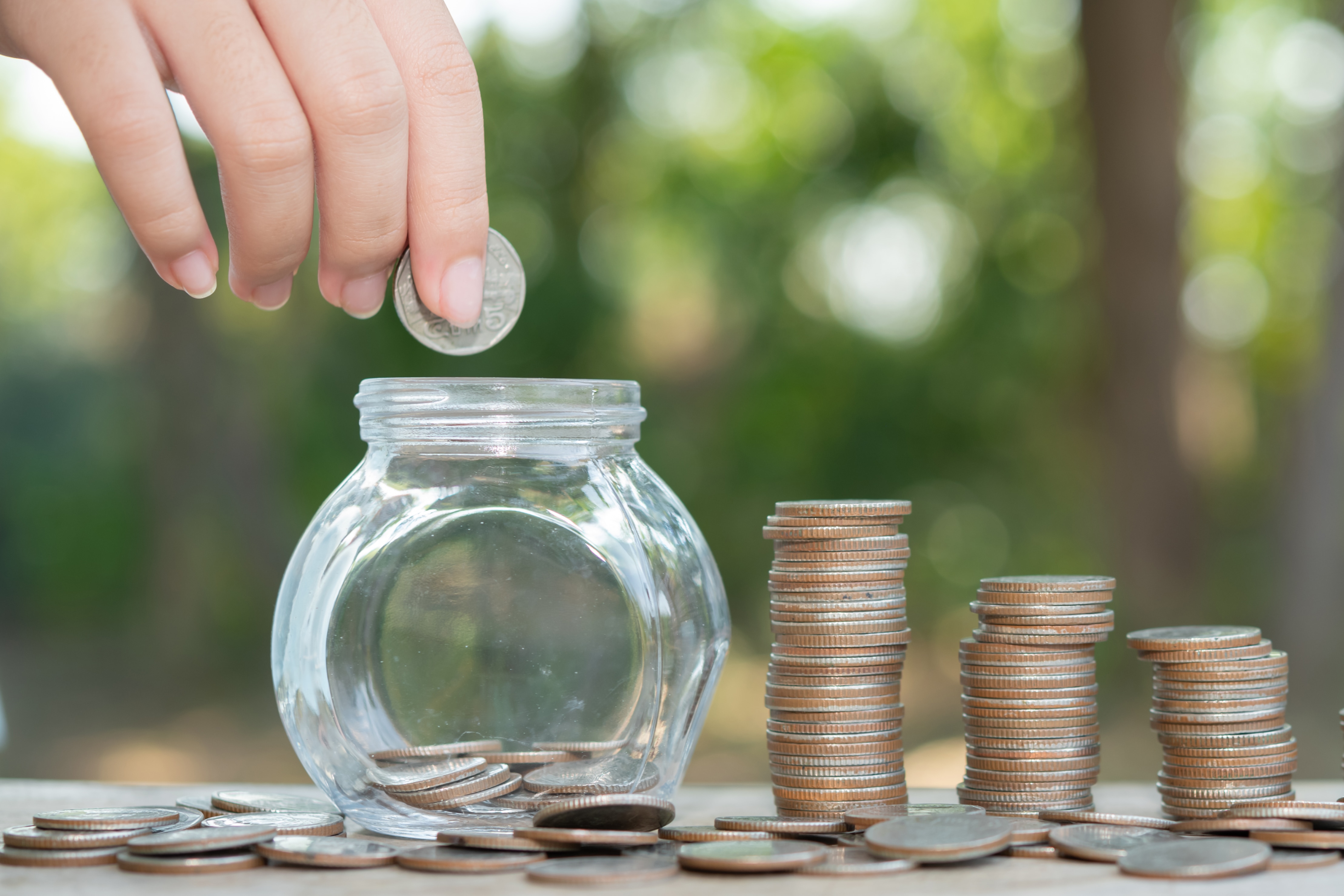
The first crore is perhaps the hardest amount to accumulate for someone starting with nothing. At 10,000 a month earning 12% per year, you'll take 20 years. It drops to 15 years if you start with 20,000 a month. And this is why starting early and being consistent is key. What's even more important is incrementing your savings. As your income rises, make sure to increase the percentage you save. This will help you reach your first crore much, much faster. What follows is the magic of compounding that is so often written about. At 12% per year, you're doubling your money every six years. And that's not even counting what you will continue to save.
I may have pointed this out in an earlier letter but it certainly bears repeating – Warren Buffett talks about the way to build long-term wealth. He says it is like a snowball on sticky snow. The trick is to have a long hill, which means either start early or live long. Buffett started when he was 11. He is now 94.
.
Credit Card Problem
In other news, there may be a credit card crisis brewing. In a recent report, CRIF High Mark said that there was a 44% rise in overdue credit card loans beyond 90 days at the end of March this year. The total amount involved is over Rs 34,000 crore.
This, in my opinion, is the danger of misusing a credit card. The lure of points and rewards has drawn many to take on multiple cards. This, in and of itself, is not a bad thing. What is dangerous is the propensity to spend what you don't have. The tendency to pay the minimum due and push forward credit card dues. To be clear, this doesn't count as a default, but it very quickly adds up to a very large amount. It is compounding working in the worst way possible – at close to 40% per annum.
I spoke with financial advisors on Your Money Matters this week about the right approach and there are a few thumb rules to follow. Here are a few of them – never spend what you don't have in your account; only use 30-40% of your credit limit; try and have an auto-debit feature on your card; don't have more than three cards; make sure you have different cycles on your cards if you have more than one.
Other Stories To Read:
Major Financial Changes From August 1: Credit Card Rules To UPI Transactions, Key Details Here
Don't Let Your Salary Slip Away: 7 Money Mistakes To Watch Out For
EPFO Pension: Govt Rejects 11 Lakh Claims Seeking Higher Amount; Over 98% Applications Disposed Of
No Hike In LTCG Tax Rates In New Income Tax Bill, I-T Department Clarifies
New UPI Rules From August 1: Daily Limit For Balance Checks, Scheduled Payments And More
Until next week, happy reading!
Alex

-
We May Need Another Tukaram Mundhe To Fight Air Pollution | The Reason Why

Developers may install basic measures such as sprinklers and green nets, resume work, and continue violating rules when this equipment stops working.
-
Extracting Value From Battery Scrap Could Be Challenging For India | The Reason Why
A discarded lithium-ion battery still contains valuable materials such as lithium, nickel and cobalt. These can be recovered and reused. When such batteries are crushed and shredded, they produce a dark powder called black mass.
-
One El Nino, India Can Handle. Two Could Break The Granary
India's grain stocks can absorb one bad year, but a second El Nino could drain the buffer in two to three years, economists say.
-
India's Troika Of Good Luck | Joining The Dots
As Jensen Huang's exit drags Nvidia down, a cooling AI trade and resilient earnings have revived investor interest in India. A likely RBI rate hike looms.
-
Talking Points This Week: Leadership Shock At Nvidia, Earnings Strength, And The Fog Over Hormuz
The Anthropic IPO pricing and first trading day, Nvidia's upcoming earnings, and any fresh signals from Iran will set the tone for the following week.
-
Signature Play: The Classic Cocktail Is Dead. Or Is It?
Classic cocktails are disappearing from India's cocktail menus. But they're still being ordered, taught to bartenders and borrowed from. So, who's really having the last drink?
-
A New Samvat Wishlist: Inclusive Prosperity And Human Development
India has strengthened its economic foundations through infrastructure, digital access and enterprise. Its next growth chapter must deepen productivity, create better livelihoods and widen participation in prosperity.
-
Love, Sex Aur Dhokha: The Audacious Plot To Spy On Jensen Huang
A Taipei dinner, a Singapore chip buyer and a suspected Chinese asset: inside the alleged spy operation that got close to NVIDIA's Jensen Huang.
-
Ten Things I Learnt This Samvat
Patience can be a trap. Cheap stocks can stay cheap. Leverage can wipe you out. What did Samvat 2082 teach us? Niraj Shah writes on 10 lessons from the year gone by.
-
Talking Points This Week: Tech Nerves, FII Buying, And A Faraway Banking Shock
The global markets are not shining this Diwali. The exception in the large markets is, India.









