Income Tax: What To Do If You Forget To Claim Deductions In ITR Filing?
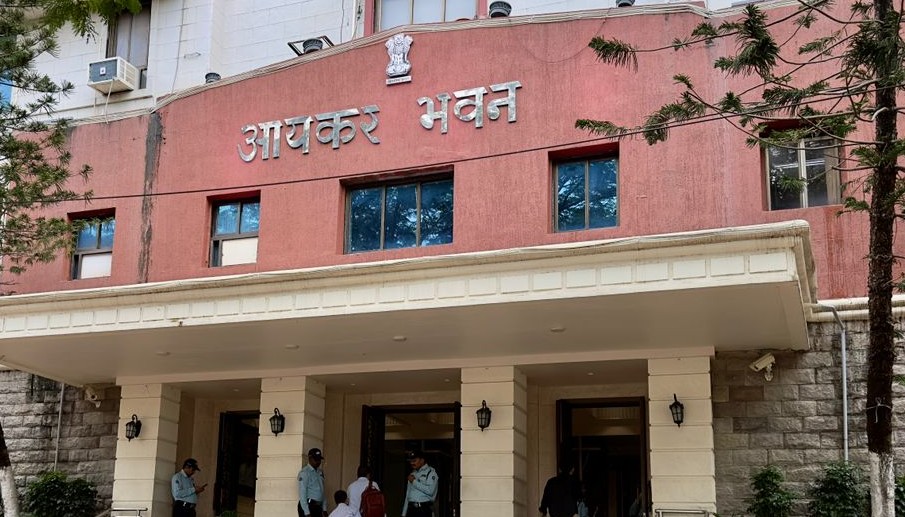
Filing your Income Tax Return (ITR) can be a daunting task. It's important to report all your income and proof of all tax-saving investments properly while filing the ITR. The deductions under various sections of the Income Tax Act, 1961, can significantly lower your tax liability and ensure you don't end up paying more than necessary. The process for ITR filing for FY 2024-25 has already started with the Income Tax Department notifying the forms, ITR 1 and ITR 4, this week.
The taxpayers, who don't need their accounts to be audited, can file their ITR by July 31, 2025. It's advisable to file the ITR in advance to avoid errors due to last last-minute rush. It's also important to note that you can claim multiple deductions only under the old tax regime, while the new tax regime allows limited claims on tax-saving investments.
However, in the process of entering multiple details, many taxpayers may overlook certain deductions that could reduce their total tax liability. So, what happens if you forget to claim these deductions? Well, not all is lost, and there are multiple ways to correct this oversight.
Why Are Deductions Important?
Taxpayers can claim various deductions under multiple sections of the Income Tax Act, 1961. Such deductions help taxpayers save more on total tax outgo by reducing the total taxable income in a financial year.
Various deductions, like those under sections 80C (for investments in PF, PPF, Life Insurance Premium), 80D (for premiums paid on health insurance), 80G (for donations to charity), and others, can collectively save you a significant amount on your overall income tax amount.
What Happens If You Forget To Claim Deductions?
If you forget to claim deductions in your original ITR, the immediate impact is that you will pay more tax than you should have. This oversight can result in an increased tax liability and may also lead in missing out on potential refunds.
However, the tax department allows certain provisions to rectify mistakes or omissions, even after the ITR has been filed. This can be done through a revised return, filed under Section 139(5) of the Income Tax Act, 1961. It allows taxpayers to correct any errors or omissions made in the original return. If you discover mistakes in your initial filing, including in a belated return, you have the option to file a revised return. This can be done by Dec. 31, 2025, of the relevant assessment year or before the completion of the assessment, whichever comes first.
Why Should You File A Revised Return?
There are several situations where filing a revised return becomes necessary:
Correcting Mistakes: If you identify any errors or omissions in your initial ITR, such as incorrect income reporting, missed deductions, or any other inaccuracies, filing a revised return gives you an opportunity to correct them.
Omissions, Missed Entries: If you accidentally fail to report certain income or overlook deductions and exemptions in your original filing, submitting a revised return allows you to include the missing details. This ensures that your tax assessment is based on complete and accurate information.
Tax Calculation Adjustments: If there are changes to tax laws, rules, or rates after you've filed your original ITR, you can file a revised return to adjust your tax calculation accordingly.
How To Revise An Income Tax Return?
Here's a quick guide to filing the revised return:
Visit the Income Tax e-filing website and log in with your PAN and other credentials.
After logging in, click on ‘e-File,' then select ‘Income Tax Return' and choose the assessment year for the revised return.
Select the same ITR form you used in the original filing based on your income sources.
In the ‘Filing Type' section, choose ‘Revised Return' to indicate you're updating a previous filing.
Enter the 15-digit acknowledgment number from your original ITR to link the revised return.
Update the necessary fields like income details, deductions and exemptions. Double-check all entries for accuracy.
After reviewing, submit the revised return online and verify it. You'll receive an email acknowledgment once it's processed.
While forgetting to claim deductions during the filing of your ITR could be frustrating, there are options available to correct the mistake. Filing a revised return within the prescribed timeline is the best course of action to ensure that you benefit from the deductions you are entitled to.

-
India's Troika Of Good Luck | Joining The Dots

A weaker Trump, a cooling AI trade and resilient earnings have put Indian markets back in favour. Rising inflation could spoil the party.
-
Talking Points This Week: Leadership Shock At Nvidia, Earnings Strength, And The Fog Over Hormuz
The Anthropic IPO pricing and first trading day, Nvidia's upcoming earnings, and any fresh signals from Iran will set the tone for the following week.
-
Signature Play: The Classic Cocktail Is Dead. Or Is It?
Classic cocktails are disappearing from India's cocktail menus. But they're still being ordered, taught to bartenders and borrowed from. So, who's really having the last drink?
-
A New Samvat Wishlist: Inclusive Prosperity And Human Development
India has strengthened its economic foundations through infrastructure, digital access and enterprise. Its next growth chapter must deepen productivity, create better livelihoods and widen participation in prosperity.
-
Love, Sex Aur Dhokha: The Audacious Plot To Spy On Jensen Huang
A Taipei dinner, a Singapore chip buyer and a suspected Chinese asset: inside the alleged spy operation that got close to NVIDIA's Jensen Huang.
-
Ten Things I Learnt This Samvat
Patience can be a trap. Cheap stocks can stay cheap. Leverage can wipe you out. What did Samvat 2082 teach us? Niraj Shah writes on 10 lessons from the year gone by.
-
Talking Points This Week: Tech Nerves, FII Buying, And A Faraway Banking Shock
The global markets are not shining this Diwali. The exception in the large markets is, India.
-
Midterm Rally Lasted A Day. The Hard Reality Of A Divided US May Last Two Years | Opinion
Between a contested AI boom, a debt ceiling that arrives in 2027 and a president with every incentive to act alone, the next two years may prove more volatile than the first day's rally suggests.
-
Blue Wave Will Derail the AI Trade but Won't Dismantle the AI Era | Unhedged Position
The Democrats' sweep of the US Congress will see politics collide with economic forces both over the long and short term.
-
It's Time To Take The GST Council's Bet On Trust Global
Payment records can prove India's services exports, and clear, proportionate rules can bring foreign digital sellers into the tax net.









