Ruchi Soya Continues To Be A Test Case For SEBI
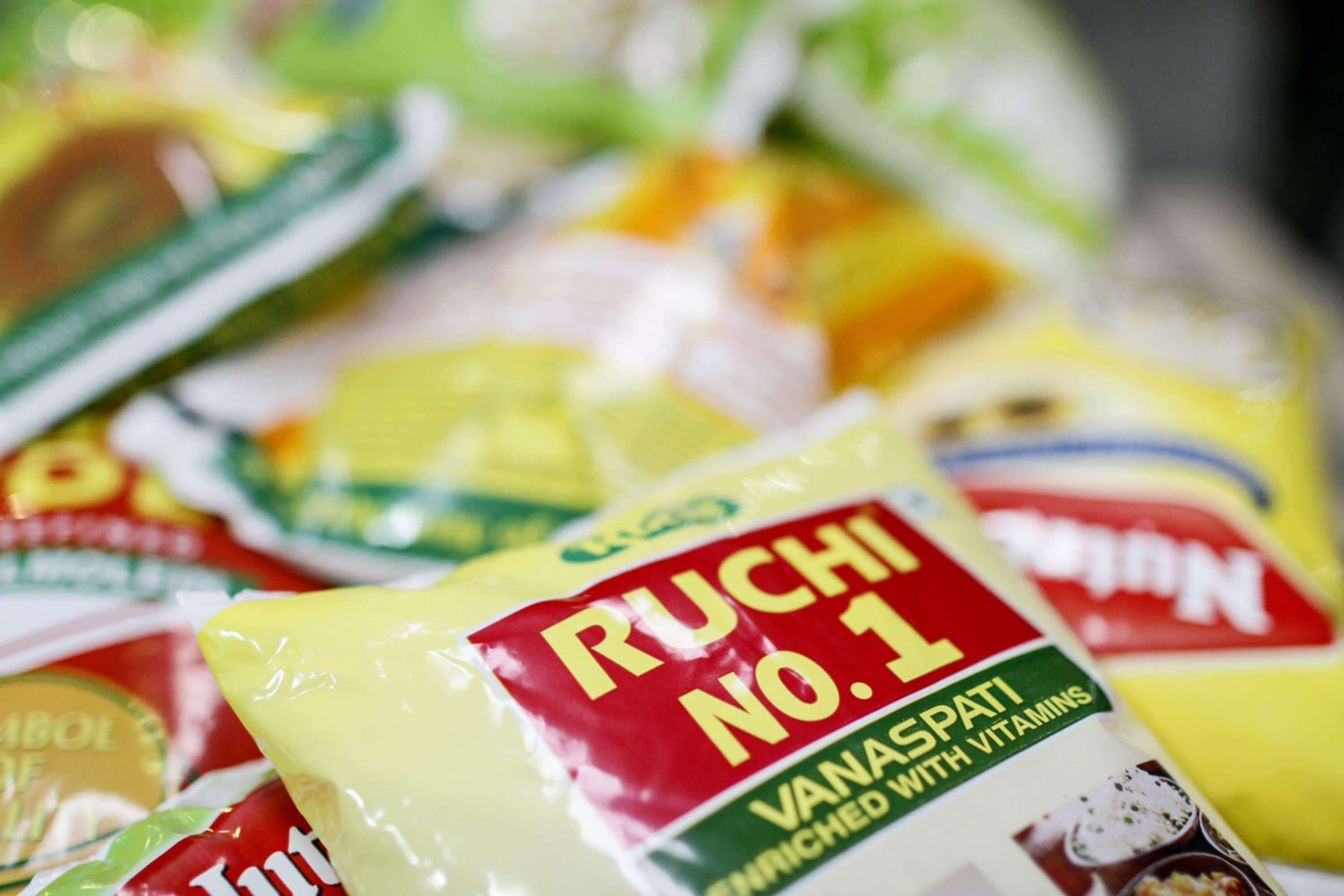
The Baba Ramdev-backed Ruchi Soya Industries Ltd. came to the stock market with a Rs 4,300 crore follow-on public offer, which was to close on March 28. Instead, the FPO remains open till March 30.
On what was to be originally the last date of the Ruchi Soya FPO, the Securities and Exchange Board of India called the company's book-running lead manager flagging a violation in the marketing of the issue. The regulator pointed to text messages being disseminated by unknown entities, which indicated a 30% return if investors applied for the issue.
Now, it is true that the Ruchi Soya stock was trading at a premium to the issue price of Rs 615-650 a share, but that was the result of a lack of float in the market. This mispricing of the shares has been happening since the time exchange trading resumed in the scrip following the insolvency process, which saw the Patanjali Group acquire the edible oil major.
This week's SEBI censure of the company is not the first. The proposed FPO had received regulatory approval in mid-2021. In September, SEBI issued a warning to the company against false marketing of the FPO after a video of Baba Ramdev emerged where he allegedly described investment in Ruchi Soya's offer as "a mantra for becoming a crorepati".
Eventually, for reasons unclear, this FPO got delayed. It was expected to precede the Adani Wilmar issue in December but could not make it to the street and got pushed to March 2022.
Back to the regulator, who in the right mind this time undertook a corrective action that it has rarely deployed in case of a public issue. SEBI allowed all investors an opportunity to withdraw their bids—qualified institutional buyers, non-institutional and retail investors, including employees of the company. All but those who subscribed through the anchor portion.
The window for withdrawal will remain open till March 30, the SEBI order said.
That's when the trouble spiralled.
Exchange Leaves Investors In The Dark
First, India's so-called technology-savvy stock exchanges were not prepared for such a withdrawal window. BSE kept the FPO window open but as it could not figure the calculation of real-time updates on withdrawals, if any, it subsequently closed the window.
Second, both BSE and NSE shut down the FPO disclosure webpage, thereby keeping the investors in the dark on the status of withdrawals from the FPO. Retail investors that subscribed 0.9x their portion may have done so when they saw QIBs subscribing to the issue. Now they are in the dark on whether QIB and HNI investors, that retail perceive as smart and sophisticated, will continue in the issue. Officials from the exchanges claim it was the market regulator's direction that closed withdrawal disclosures. As of writing this, an email to the regulator remained unanswered.
While the BSE is the designated exchange for this FPO, investors can use either the BSE or the NSE to participate in the issue. The BSE has told BloombergQuint that it will now release the final figures after the withdrawal window is closed. This is a red flag. Why should information about withdrawal of participation be hidden from investors?
Study Trading Pattern And Subsequent Messaging
On to another red flag. A company statement sent via email from Ruchi Soya's public relations team touted the stock's 16% jump in trading on Tuesday when it hit an intraday high of 944.95 on the BSE. When an FPO is underway, should a company or its representatives issue such a statement? What were they attempting to convey—that returns are still on the table for those who continue to remain subscribed?
The volume-weighted average price for the stock was Rs 908.17 apiece, according to data available on the BSE, and the stock traded 3.98 lakh shares on Tuesday when its two-week average volume is 0.78 lakh shares. With delivery volumes at 14.8% or 59,051 shares, does the difference in VWAP and closing reflect attempts being made to push the stock price higher without much demand?
On the NSE website, data showed Ruchi Soya closed on Tuesday at Rs 938/share and the VWAP was 903.77. 35 lakh shares traded with a deliverable quantity of just 6.15% or 2 lakh shares.
Regulatory Rethink
Ruchi Soya continues to be a test case for the regulator. SEBI needs to ensure exchanges are technologically equipped to execute such rare corrective action while ensuring transparency. SEBI should also look at putting the shares of companies going for FPOs on delivery-based trade during the period of the issue. This could prompt a broader look at the FPO guidelines, including the norms for price bands for illiquid scrips that are available for trading after NCLT resolutions and do not have the requisite minimum public float.
Sajeet Manghat is Executive Editor at BloombergQuint.

-
Where You Live Shapes How You Get To Work | The Reason Why

Two-wheelers are the most popular way to get to work in India, accounting for nearly 43% of workplace commutes.
-
High US Salaries, No Green Card Certainty: The Financial Calculation Facing Indian H-1B Families
The suspension of PERM processing at eight technology employers does not cancel existing H-1B visas. What it does is force a question many Indian families have been avoiding: is the US salary worth tying your career and family plans to one employer?
-
Unhedged Position: Can India See An Indonesia-Style Time Correction?
The Nifty is trading below levels it first clocked in 2024. Is there, then, as I have suggested in the headline, potential that the current time correction drags on painfully for the next three-five, even ten years?
-
Navigating Friction And Energy Realities: An Analysis Of Marco Rubio's October Visit To India
Occurring at a critical juncture marked by stalled trade negotiations and escalating geopolitical pressures over global energy supplies, the visit offers a profound window into modern US-India relations.
-
India Exports Capital. Why Not Export Trusteeship?
The big question, then, is whether India can build an institution that global borrowers, investors, banks, and lawyers can trust, even without an Indian connection.
-
France's Economy & Politics Are In Crisis | The Reason Why
Let's look at how the French economy and politics evolved under Nicolas Sarkozy, Franois Hollande and Emmanuel Macron.
-
You May Inherit The Business. You Must Earn Its Credibility.
Succession tests the founder's ability to share authority as much as it tests the next generation's readiness to assume it.
-
Signing Deals Is One Thing; Making Them Work Is Another | The Week In Whys
Sometimes, things don't turn out as planned. Indian companies have lost some bids to rivals, some projects won't produce until 2030.
-
FOMC Wall, PERM Suspension, Hospital Stocks | Talking Points This Week
A PERM suspension would directly affect green-card sponsorship rather than H-1B visas, so the near-term earnings impact could remain relatively limited. The key question is whether this marks a new phase in US scrutiny of Indian IT.
-
Everything, Everywhere, All At Once: Dalal Street's Week To Forget | Joining The Dots
Visa curbs, a Starlink spat and cancer drug caps: what connects this week's shocks for Indian markets









