PM Modi's Visit To Japan Will Strengthen Bilateral Ties
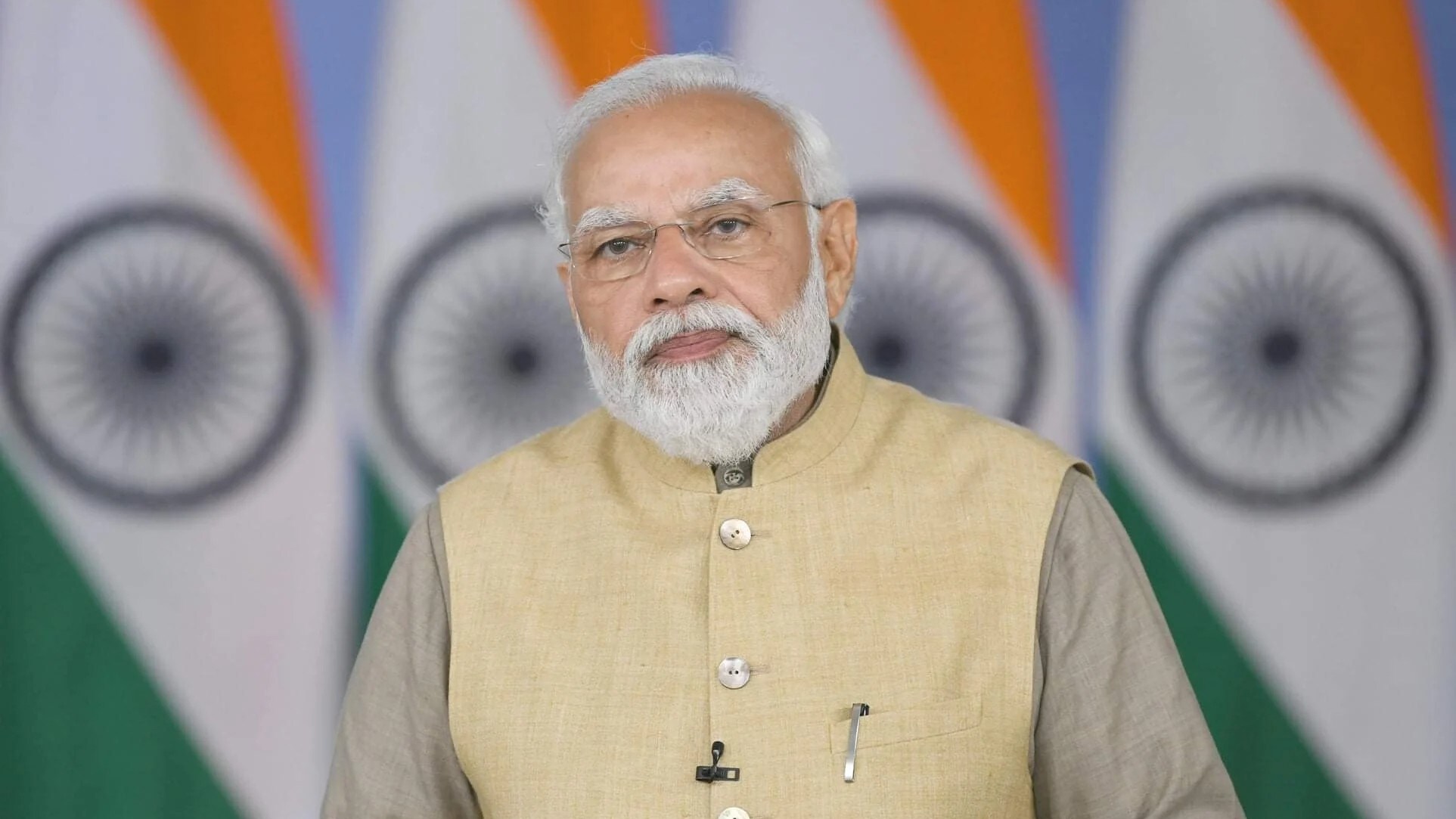
The focus of Indian Prime Minister Narendra Modi's visit to Japan, scheduled for August 29–30, is on deepening defense cooperation, advancing economic and technology partnerships, and strengthening Indo-Pacific engagement. This is the 15th India-Japan summit and Modi's first meeting with new Japanese Prime Minister Shigeru Ishiba. The visit is expected to lead to significant agreements on economic security, defense, technology, and infrastructure.
India and Japan have centuries of cultural exchanges, most notably through Buddhism, which has influenced Japan's art, culture, and spirituality. The cultural and religious heritage inspires strong cultural diplomacy and promotes mutual understanding between the two countries.
In recent years, India-Japan ties have strengthened, marked by annual summits since 2006 and the establishment of a Special Strategic and Global Partnership in 2014. Japan is an important partner for India due to its critical role in India's infrastructure development, economic growth, strategic security, and diplomatic initiatives.
As PM Modi had said while welcoming former Japanese PM Fumio Kishida to India in March 2023, "The India-Japan Special Strategic and Global Partnership is based on our shared democratic values, and respect for the rule of law in the international arena. Strengthening this partnership is not only important for both our countries, it also promotes peace, prosperity and stability in the Indo-Pacific region."
For decades, India has been the largest recipient of Japan's Official Development Assistance (ODA) loans. Japan has financed key projects, such as the Delhi Metro and the flagship Mumbai-Ahmedabad High-Speed Rail using Japan's Shinkansen system.
Japan provides significant investment and technological expertise in high-priority sectors for India, including railways, highways, and energy. Japan has also committed to invest in sectors like semiconductors, critical technology, and supply chain diversification.
By boosting trade and investment, the Comprehensive Economic Partnership Agreement (CEPA) helps both nations build economic resilience against global market fluctuations and economic coercion. The two countries have discussed an Asia-Africa Growth Corridor (AAGC) to enhance connectivity and cooperation across the region.
A key focus of PM Modi's visit is to upgrade the existing Declaration on Security Cooperation between the two nations. Discussions will include cooperation on naval ship maintenance in India and co-development of advanced systems for improved naval capabilities, including stealth. The leaders will discuss increased joint defense exercises and the transfer of defense technology. Japan's participation in the US-India Malabar exercise since 2015 has strengthened cooperation in maritime security.
The discussions will also cover important areas relating to economy and technology. The agenda includes boosting industrial cooperation in key sectors, such as semiconductors. Japan is expected to announce its intent to double its investment target for India, building on previous commitments. The leaders will discuss Japan's participation in future bullet train projects in India, following the ongoing Mumbai-Ahmedabad route. PM Modi will also participate in a business leaders' forum to foster greater trade and technology ties.
The two leaders are also expected to discuss global issues of importance, especially those pertaining to the Indo-Pacific. They will discuss the Quad alliance and its role in promoting peace, stability, and prosperity in the Indo-Pacific region. PM Modi is scheduled to host the next Quad Summit in fall this year, and how recent developments in Indo-US relations could impact the Quad Summit could also come up for discussion, especially as there are reports that President Trump may not travel to India to attend the summit. As trade tensions between Washington and New Delhi have escalated, an anticipated high-profile visit of US President Donald Trump to India this fall is now clouded by uncertainty.
The promotion of people-to-people relations will also be an important subject for discussion during PM Modi's visit. A new mobility partnership is expected to be launched, which will create a more accessible ecosystem for Indian workers and promote skills exchanges. According to Japanese media reports, the two governments aim to formulate a plan to promote people-to-people exchanges, setting a target of more than 500,000 people over the next five years. Tokyo aims to increase exchanges in government, industry, academia and other sectors and plans to accept 50,000 people from India. It expects that highly skilled personnel, particularly in science and engineering, will help promote Japan's economic growth and regional revitalisation.
Japanese government sources have said that the Prime Ministers of Japan and India are set to issue a joint statement pledging to further step up collaboration with an emphasis on the security, economic and human exchange fields. They are also expected to present a "joint vision" for the development of their cooperation over the next 10 years when they meet in Tokyo.
Summing up, PM Modi's visit is a crucial indicator of the steady strategic intent between India and Japan. While the visit comes amidst geopolitical shifts, it is critical for advancing the India-Japan "Special Strategic and Global Partnership" across security, economic, and technological sectors. It highlights the fact that Japan offers a consistent, reliable, and resource-rich partnership for India. Japan is seen by India not just as a leading democratic partner in Asia and a key member of the Quad, but also as an indispensable force for regional stability.

-
Talking Points This Week: Leadership Shock At Nvidia, Earnings Strength, And The Fog Over Hormuz

The Anthropic IPO pricing and first trading day, Nvidia's upcoming earnings, and any fresh signals from Iran will set the tone for the following week.
-
Signature Play: The Classic Cocktail Is Dead. Or Is It?
Classic cocktails are disappearing from India's cocktail menus. But they're still being ordered, taught to bartenders and borrowed from. So, who's really having the last drink?
-
A New Samvat Wishlist: Inclusive Prosperity And Human Development
India has strengthened its economic foundations through infrastructure, digital access and enterprise. Its next growth chapter must deepen productivity, create better livelihoods and widen participation in prosperity.
-
Love, Sex Aur Dhokha: The Audacious Plot To Spy On Jensen Huang
A Taipei dinner, a Singapore chip buyer and a suspected Chinese asset: inside the alleged spy operation that got close to NVIDIA's Jensen Huang.
-
Ten Things I Learnt This Samvat
Patience can be a trap. Cheap stocks can stay cheap. Leverage can wipe you out. What did Samvat 2082 teach us? Niraj Shah writes on 10 lessons from the year gone by.
-
Talking Points This Week: Tech Nerves, FII Buying, And A Faraway Banking Shock
The global markets are not shining this Diwali. The exception in the large markets is, India.
-
Midterm Rally Lasted A Day. The Hard Reality Of A Divided US May Last Two Years | Opinion
Between a contested AI boom, a debt ceiling that arrives in 2027 and a president with every incentive to act alone, the next two years may prove more volatile than the first day's rally suggests.
-
Blue Wave Will Derail the AI Trade but Won't Dismantle the AI Era | Unhedged Position
The Democrats' sweep of the US Congress will see politics collide with economic forces both over the long and short term.
-
It's Time To Take The GST Council's Bet On Trust Global
Payment records can prove India's services exports, and clear, proportionate rules can bring foreign digital sellers into the tax net.
-
Opinion | India at 38: From Innovation Overperformer to Innovation Powerhouse
India now has 453 VC-backed deep science startups, 18 of them late-stage, after 117 percent growth since 2020. Laurus Labs, at USD 9.3 billion, is the most valuable deep science company in any middle-income economy outside China.









