How A Small Bangalore Restaurant Beat The Pandemic Odds
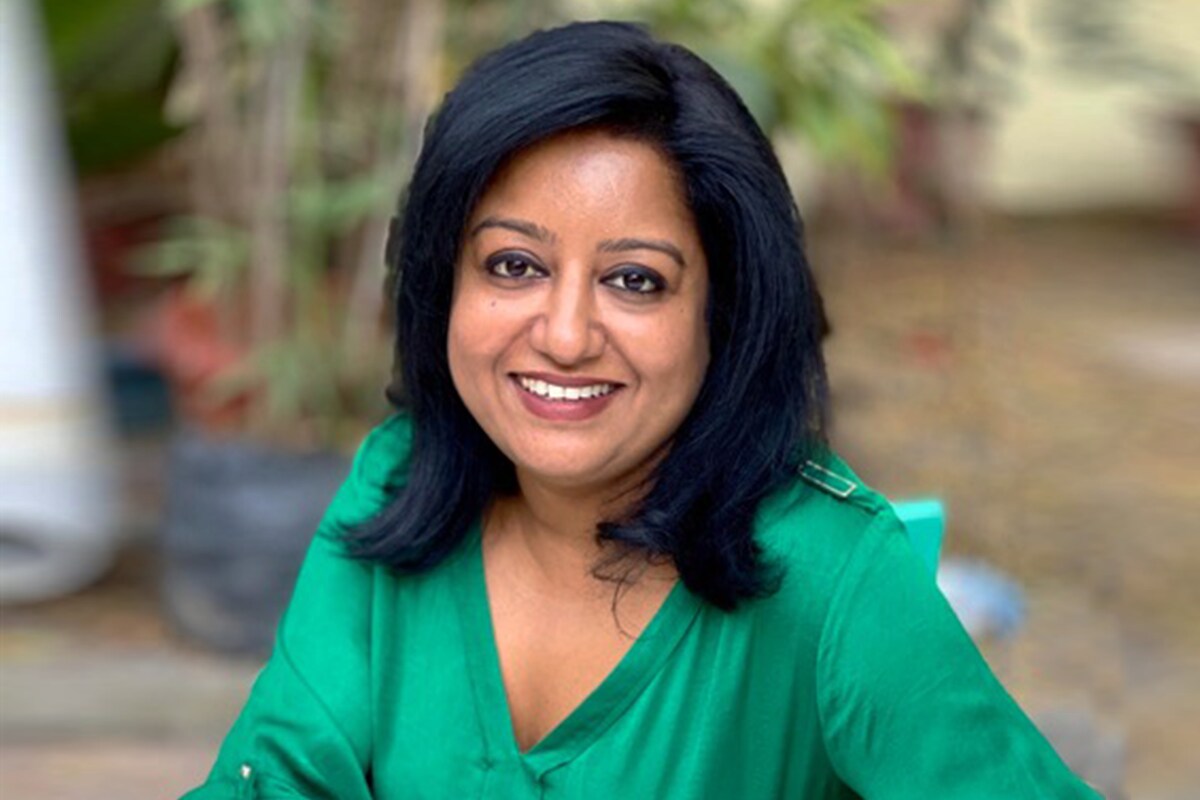
Even now, when a delivery worker from Swiggy or Dunzo shows up at Divya Prabhakar's doorstep, they look at her and say, “Aren't you the restaurant lady?” She'll likely recognise them by name, considering how often she's met them since March 2020 when the Covid-19 pandemic hit India.
As eating out and going to the movies became unreal activities from a past life and lockdowns our chief weapon in the prolonged war against the coronavirus, restaurants struggled to survive. Experts now estimate that one in three restaurants are unlikely to reopen. In Bangalore, as Prabhakar points out, you just have to drive down roads in Indiranagar and Koramangala — neighbourhoods chock-a-bloc with eateries — to see a series of ‘To Let' signs.

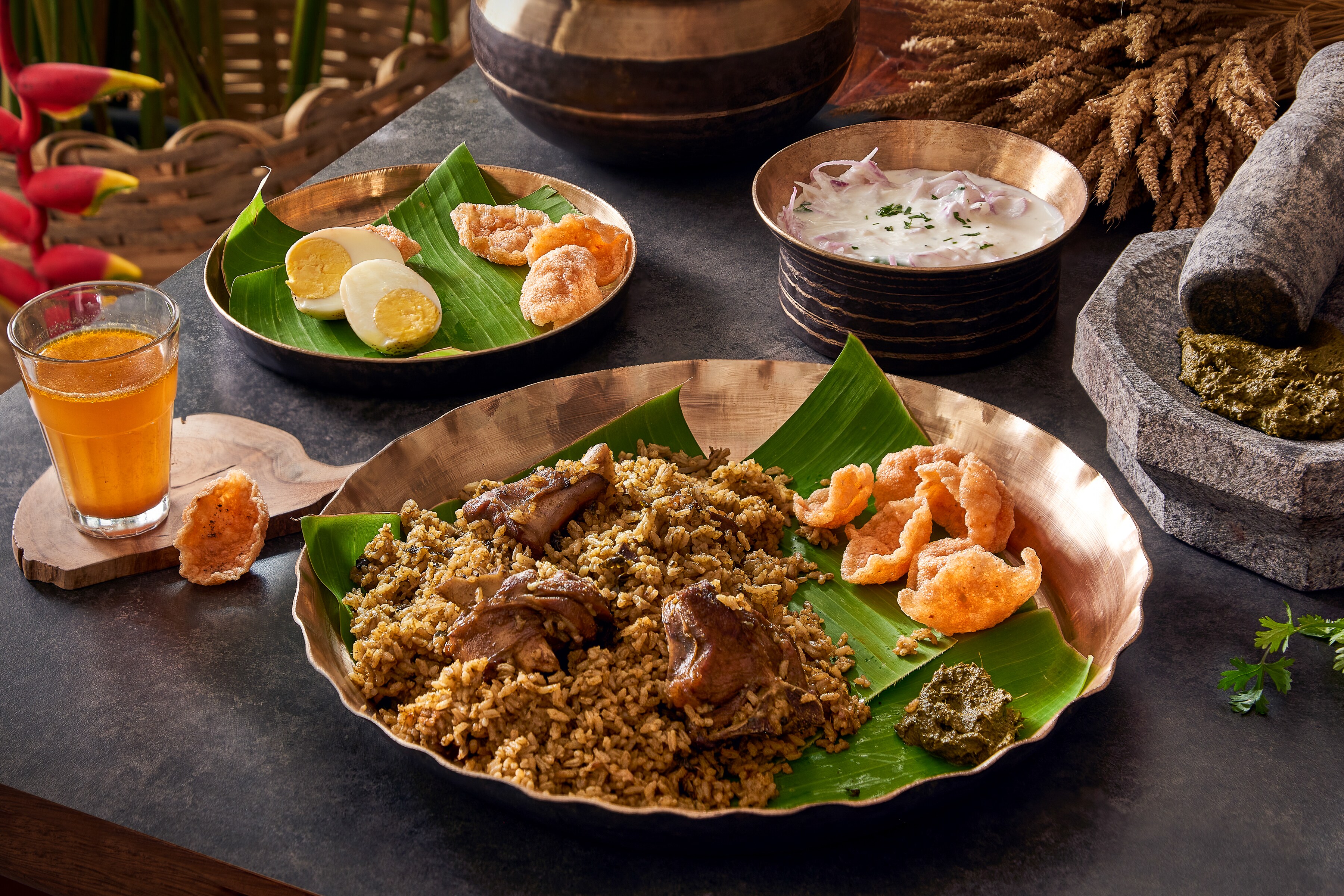
Prabhakar runs Bengaluru Oota Company, a critically-acclaimed regional food restaurant she opened with her neighbour Vishal Shetty five years ago. The two women sealed the idea one evening over many glasses of gin. Their restaurant offers a mix of Gowda and Mangalorean cuisines from different regions of Karnataka, with family recipes handed down from generations. You pay per head, the menu is set but the food never runs out. All you have to do is show up at the centrally-located restaurant with the sunshine yellow facade. Ring the bell and you feel like you're in your favourite aunt's eclectic dining room.
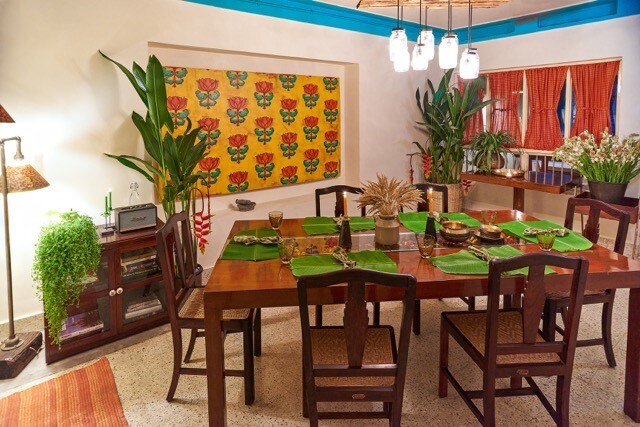
The idea to “just come and eat what I give you” was inspired by Prabhakar's visits to restaurants in different regions where she struggled to understand new food. The staff was often unhelpful when it came to explaining food pairings. “I thought if people understood why they were eating what they were eating and how to eat it, they would appreciate the meal more,” she says. “So I decided I'm going to be bossy boots and tell people how to enjoy our food.” It soon became the place to take visitors who wanted to experience something quintessentially Kannadiga.
Prabhakar's formula of staying afloat in bad times is one worth recounting. It involved rapid innovation without tampering with your fundamentals, a new partnership, carrying your employees with you and, most importantly, believing in yourself and your customers. She also managed to have some fun in these times, experimenting with food that wouldn't normally have fit in her regional cuisine restaurant.
Days before the first lockdown was announced, the 35-38 cover restaurant with 10 employees that only did dining and catering switched to takeaways. Boxes were procured, long-term vendors were cajoled to supply ingredients through the lockdown, portion sizes were calculated and weekly menus were sent to regular customers via WhatsApp every Thursday – the perfect day to remind people that the weekend would be a better place with some Kaima Unde Saaru or Prawn Biryani on the table. Customers, in turn, spread the word through their building, family, and neighbourhood groups.
View this post on Instagram“Earlier we were all about doing things manually. Even our bills were handwritten. We had to set up new online systems.” Prabhakar says they stuck to some of their fundamental rules such as using only fresh ingredients not frozen and insisting on pre-orders to avoid wastage – even if this meant staying up late to collate orders before waking up early to shop for ingredients.
Luckily for Bengaluru Oota Company, there was a demand for comfort food in the crisis. Many homes were managing without their domestic staff and the orders kept coming. Some days, there was a line of delivery agents outside Prabhakar's restaurant and she had to enlist the help of the neighbourhood police station for crowd management. This is also when she started to get to know the delivery workforce by name.
Takeaway was only the first step. The Bengaluru Oota Company partnered with Dunzo to launch a subscription Oota Lunchbox/Dinnerbox (a curry, a dry vegetable, rotis or rice, rasam, and homemade curd) targeted mainly at those who had Covid-19 and whose apartments had been sealed by the municipality. Many orders came from people whose parents lived alone in the city. “I kept praying that life-saver Dunzo wouldn't go belly up and I was excited when Google invested in them,” she says.
View this post on InstagramPrabhakar tweaked these daily changing menus to make the food more homely, less heavy, and restaurant-y and decided them based on available ingredients and by employing her usual philosophy: “What would I like to eat?”
After this, the ideas kept flowing. The restaurant launched a per head Habba box for festivals, because who had the energy to prepare all those traditional food items for special days. From Ugadi to Eid, all celebrations called for a different box. The Mother's Day menu had Kaima Sandwiches, a local version of Bunny Chow, Mangalore Buns, and Vietnamese Cold Coffee among other delectable sounding items. When Prabhakar saw the demand for nutritious foods, she introduced crab soup and mutton bone soup, delivered in glass bottles. During this time, she found she could serve food that would never make it to her restaurant menu. The experiments were healing in a tough time. “They brought back a lot of memories about what I like,” says Prabhakar.
The fact that the restaurant was small and didn't offer alcohol helped—there were fewer overheads and they could turn around new ideas faster. All the restaurant's employees and vendors stay within a 2-kilometre radius and that allowed them to change work timings easily; ensure their staff just went from work to home and back; and vaccinate all employees and their families quickly. They carried the neighbourhood with them, sending food to the designated Covid hospital located nearby and feeding the local, helpful policemen.
“When everything is on the go, your plan can be your plan but unless you are able to run with and change it, it's of no use,” says Prabhakar. Somehow she managed to do this while following another key commandment: Stick to what you believe in.
Priya Ramani is a Bengaluru-based journalist and is on the editorial board of Article-14.com.
The views expressed here are those of the author, and do not necessarily represent the views of BloombergQuint or its editorial team.

-
Talking Points This Week: Tech Nerves, FII Buying, And A Faraway Banking Shock

The global markets are not shining this Diwali. The exception in the large markets is, India.
-
Midterm Rally Lasted A Day. The Hard Reality Of A Divided US May Last Two Years | Opinion
Between a contested AI boom, a debt ceiling that arrives in 2027 and a president with every incentive to act alone, the next two years may prove more volatile than the first day's rally suggests.
-
Blue Wave Will Derail the AI Trade but Won't Dismantle the AI Era | Unhedged Position
The Democrats' sweep of the US Congress will see politics collide with economic forces both over the long and short term.
-
It's Time To Take The GST Council's Bet On Trust Global
Payment records can prove India's services exports, and clear, proportionate rules can bring foreign digital sellers into the tax net.
-
Opinion | India at 38: From Innovation Overperformer to Innovation Powerhouse
India now has 453 VC-backed deep science startups, 18 of them late-stage, after 117 percent growth since 2020. Laurus Labs, at USD 9.3 billion, is the most valuable deep science company in any middle-income economy outside China.
-
Navigating Energy Crossroads: S Jaishankar's Call For Diversified Supply Chains At G20 Ministerial Meeting
As geopolitical fault lines continue to test maritime trade routes and commodity flows, Jaishankar's message remains pertinent: true economic resilience requires open markets, protected transit lines, and a genuine commitment to multilateral cooperation rather than coercion.
-
Indians Are Travelling, But Not Every Journey Is A Holiday | The Week In Whys
Pilgrims, patients and working women are the real travellers, and the system hasn't quite caught up with them.
-
Getting To Work Costs Women More | The Reason Why
It is not just about women paying more than men. It is about women paying much more in cities than in villages.
-
AI Bias In Investing Cannot Be Eliminated, But It Can Be Governed
Framing is a particularly important example as identical financial information presented in terms of gains rather than losses can lead an LLM to reach a different assessment.









