India’s Cooling Demand Set To Surge, Straining Power Grid: Study
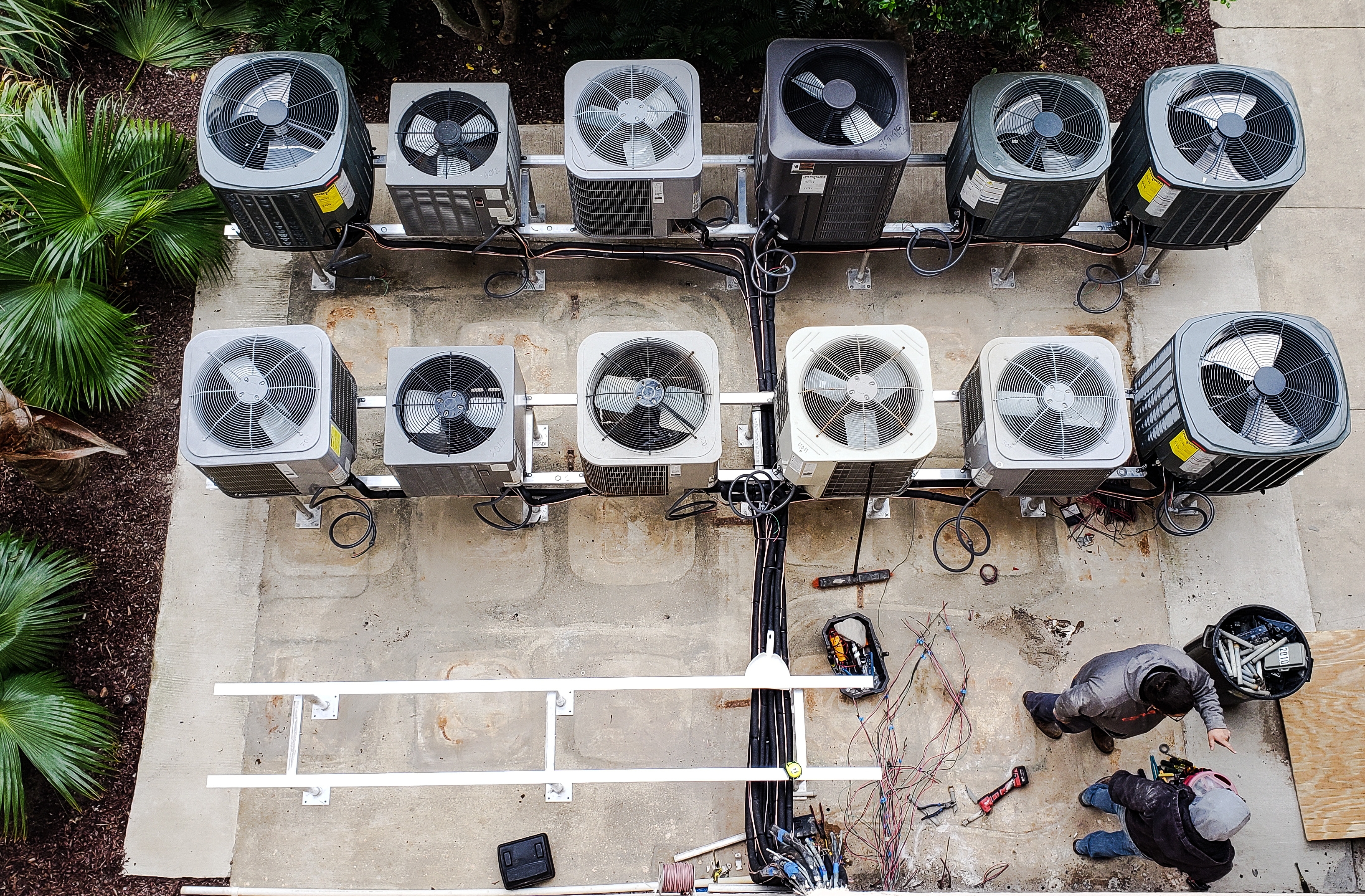
India is expected to add 130-150 million new room air conditioners over the next decade, potentially increasing peak power demand by over 180 gigawatts by 2035, according to a study by the India Energy and Climate Center at the University of California, Berkeley. The report warns that without intervention, this rapid growth could lead to power shortages as early as 2026.
India currently adds 10-15 million ACs annually, with demand surging 40-50% year-on-year in the summer of 2024 due to record-breaking temperatures. The study highlights that ACs alone could drive 120 GW of peak power demand by 2030 and 180 GW by 2035, accounting for nearly 30% of total projected demand.
Lead author Nikit Abhyankar said the rising AC usage is outpacing India's power supply, posing risks of blackouts or costly emergency measures. However, the study suggests that doubling AC energy efficiency over the next decade could prevent severe shortages and save consumers up to Rs 2.2 lakh crore ($26 billion).
PTI reported on Monday that India is likely to see a 9-10% rise in peak electricity demand this summer amid increasing heat waves. Last year, peak demand hit 250 GW on May 30, exceeding projections by 6.3%.
The household sector's share of electricity consumption rose from 22% in 2012-13 to 25% in 2022-23, driven by economic growth and rising temperatures.
To address the challenge, the study recommends updating India's Minimum Energy Performance Standards. A 2027 revision could set the 1-star AC label at ISEER 5.0, equivalent to today's 5-star level, with further tightening every three years. This could prevent shortages of 10 GW by 2028, 23 GW by 2030, and 60 GW by 2035—equivalent to 120 large power plants.
Efficient ACs could also bring significant consumer benefits. Despite higher upfront costs, they could yield net savings of Rs 66,000 crore to Rs 2.25 lakh crore ($8-26 billion) by 2035, paying for themselves within two to three years through lower electricity bills. Co-author Amol Phadke noted that efficiency does not necessarily drive retail prices higher, as economies of scale and competitive markets can offset costs.
More than 600 AC models—20% of all available in India—already exceed the top 5-star efficiency level, with many made by domestic manufacturers. Co-author Jose Dominguez emphasised that with the right policy push, Indian companies could scale up under the Make in India and Production Linked Incentive schemes, positioning India as a leader in sustainable cooling.
The study also calls for updating AC test procedures to reflect India's humid climate, ensuring better moisture removal alongside cooling for improved comfort.
(With text inputs from PTI.)

-
A New Samvat Wishlist: Inclusive Prosperity And Human Development

India has strengthened its economic foundations through infrastructure, digital access and enterprise. Its next growth chapter must deepen productivity, create better livelihoods and widen participation in prosperity.
-
Love, Sex Aur Dhokha: The Audacious Plot To Spy On Jensen Huang
A Taipei dinner, a Singapore chip buyer and a suspected Chinese asset: inside the alleged spy operation that got close to NVIDIA's Jensen Huang.
-
Ten Things I Learnt This Samvat
Patience can be a trap. Cheap stocks can stay cheap. Leverage can wipe you out. What did Samvat 2082 teach us? Niraj Shah writes on 10 lessons from the year gone by.
-
Talking Points This Week: Tech Nerves, FII Buying, And A Faraway Banking Shock
The global markets are not shining this Diwali. The exception in the large markets is, India.
-
Midterm Rally Lasted A Day. The Hard Reality Of A Divided US May Last Two Years | Opinion
Between a contested AI boom, a debt ceiling that arrives in 2027 and a president with every incentive to act alone, the next two years may prove more volatile than the first day's rally suggests.
-
Blue Wave Will Derail the AI Trade but Won't Dismantle the AI Era | Unhedged Position
The Democrats' sweep of the US Congress will see politics collide with economic forces both over the long and short term.
-
It's Time To Take The GST Council's Bet On Trust Global
Payment records can prove India's services exports, and clear, proportionate rules can bring foreign digital sellers into the tax net.
-
Opinion | India at 38: From Innovation Overperformer to Innovation Powerhouse
India now has 453 VC-backed deep science startups, 18 of them late-stage, after 117 percent growth since 2020. Laurus Labs, at USD 9.3 billion, is the most valuable deep science company in any middle-income economy outside China.
-
Navigating Energy Crossroads: S Jaishankar's Call For Diversified Supply Chains At G20 Ministerial Meeting
As geopolitical fault lines continue to test maritime trade routes and commodity flows, Jaishankar's message remains pertinent: true economic resilience requires open markets, protected transit lines, and a genuine commitment to multilateral cooperation rather than coercion.









