Inflows Into Equity Mutual Funds Rebound After Three Months Of Decline
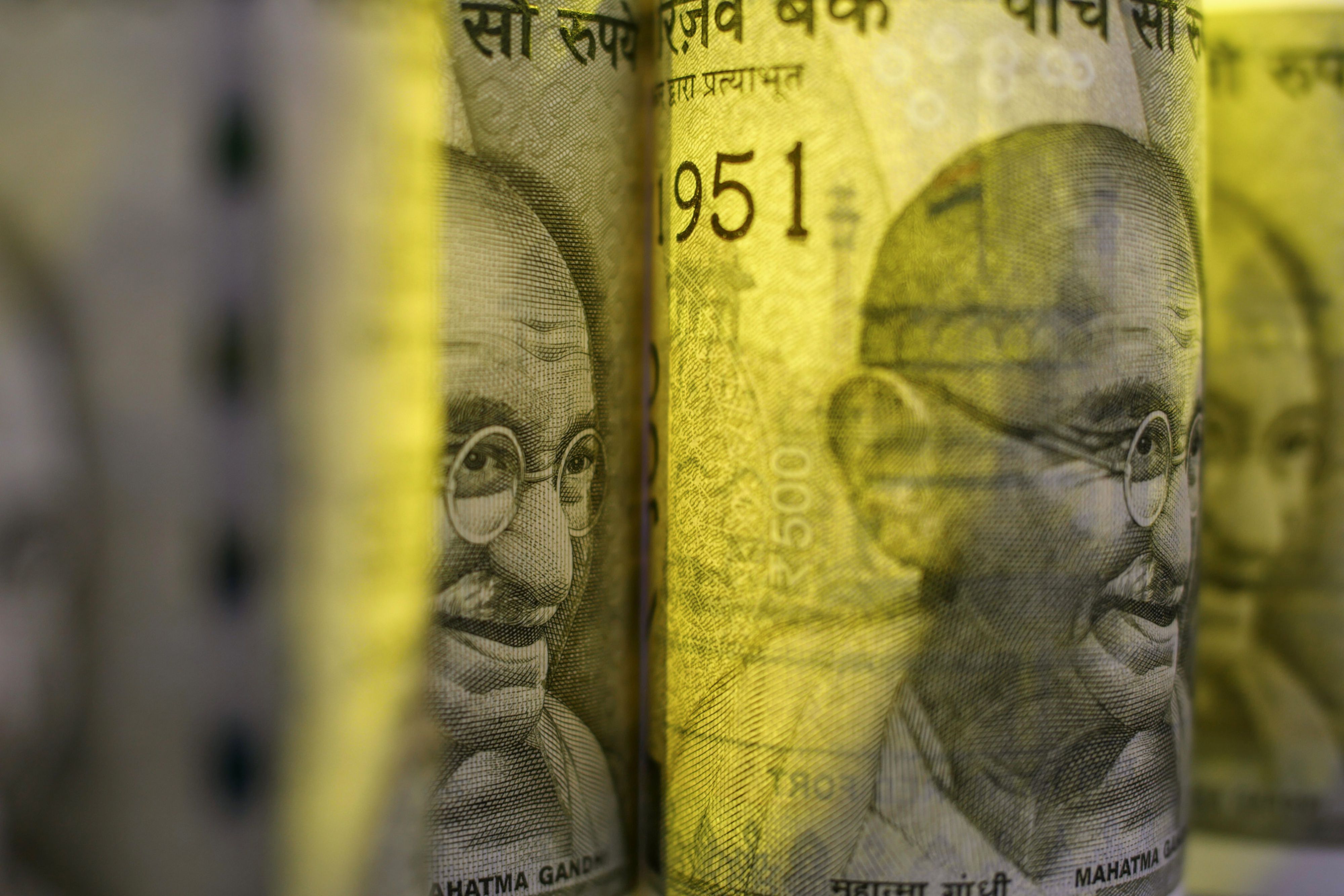
Inflows into equity mutual funds rebounded after three months of decline in December as Indian benchmarks extended gains for the fourth straight month—the longest streak since August 2018.
Net inflow into equity and equity-linked schemes jumped more than threefold over the previous month to Rs 4,499.39 crore in December, according to data released by the Association of Mutual Funds in India. Investments into equity mutual funds in November had fallen to their lowest in more than three years.
An analysis of the category-wise data showed that multi- and small-cap funds witnessed a rise in investments month-on-month. While inflows into large caps fell marginally, they still attracted a bigger share of investor money among other schemes. AMFI started offering granular data of equity inflows since April, according to the guidelines of the market regulator.
“It was good to see the reversal of trend over November numbers,” Swarup Mohanty, chief executive officer at Mirae Global Investment (India), told BloombergQuint. “There is a flight to safety which is evident from the large-cap numbers. But overall, [there were] well diversified flows, which is good for the industry.”
Also, contribution through systematic investment plans rose to the highest ever level of Rs 8,518 crore in December.
“Retail investors continue to repose trust in mutual funds as reflected by continued flows through SIPs, despite challenging domestic economic scenario and global trade issues and conflicts,” NS Venkatesh, CEO of AMFI, told BloombergQuint. “Markets have rallied and indices scaled new peaks, reflecting a resolution coming through structural policies like IBC and lowering of interest rates and expectations from budget.”
Agreed Vishal Kapoor, chief executive officer at IDFC Asset Management Company. “In addition to attractive broader market valuations, there seems to be a growing expectation of strong policy action and market-friendly announcements in the upcoming budget,” he told BloombergQuint. “In the fixed income asset class, we saw a continued preference for high quality short-end categories like banking and PSU debt funds and short duration funds.”
Still, the overall mutual fund industry witnessed a net outflow of Rs 61,809.70 crore across all segments compared with an inflow of Rs 5,4419.18 crore in November. The liquid or money market category contributed the most to the total outflows as the schemes used by companies to park surplus cash for the short term witnessed quarter-end withdrawals.
Investors pulled out Rs 71,158.5 crore from the liquid funds in December compared with an inflow of Rs 6,938 crore in November.
Total assets under management rose marginally over the preceding month to Rs 27.3 lakh crore in December. Total equity AUM rose about 1 percent sequentially to Rs 7.62 lakh crore during the month.
According to Venkatesh, average AUM at an all-time high, net equity inflows trebling in the last month, continued robust SIP book and SIP AUMs at an all-time high are reflective of positive sentiment in equities.
IDFC AMC's Kapoor also said, “It was encouraging to see average AUM trending higher despite anticipated quarter-end outflows in the overnight and liquid fund categories.”

-
High US Salaries, No Green Card Certainty: The Financial Calculation Facing Indian H-1B Families

The suspension of PERM processing at eight technology employers does not cancel existing H-1B visas. What it does is force a question many Indian families have been avoiding: is the US salary worth tying your career and family plans to one employer?
-
Swiggy vs Eternal: Food Delivery's Two Rivals Are No Longer In The Same Race
Eternal is building a private AI assistant, dark.ai. Swiggy is still working out how to make Instamart pay, with an operating loss of Rs 895 crore in the July-September quarter while Blinkit stayed profitable.
-
Where You Live Shapes How You Get To Work | The Reason Why
Two-wheelers are the most popular way to get to work in India, accounting for nearly 43% of workplace commutes.
-
Unhedged Position: Can India See An Indonesia-Style Time Correction?
The Nifty is trading below levels it first clocked in 2024. Is there, then, as I have suggested in the headline, potential that the current time correction drags on painfully for the next three-five, even ten years?
-
Navigating Friction And Energy Realities: An Analysis Of Marco Rubio's October Visit To India
Occurring at a critical juncture marked by stalled trade negotiations and escalating geopolitical pressures over global energy supplies, the visit offers a profound window into modern US-India relations.
-
India Exports Capital. Why Not Export Trusteeship?
The big question, then, is whether India can build an institution that global borrowers, investors, banks, and lawyers can trust, even without an Indian connection.
-
France's Economy & Politics Are In Crisis | The Reason Why
Let's look at how the French economy and politics evolved under Nicolas Sarkozy, Franois Hollande and Emmanuel Macron.
-
You May Inherit The Business. You Must Earn Its Credibility.
Succession tests the founder's ability to share authority as much as it tests the next generation's readiness to assume it.
-
Signing Deals Is One Thing; Making Them Work Is Another | The Week In Whys
Sometimes, things don't turn out as planned. Indian companies have lost some bids to rivals, some projects won't produce until 2030.
-
FOMC Wall, PERM Suspension, Hospital Stocks | Talking Points This Week
A PERM suspension would directly affect green-card sponsorship rather than H-1B visas, so the near-term earnings impact could remain relatively limited. The key question is whether this marks a new phase in US scrutiny of Indian IT.









