Why Investors Love Bata
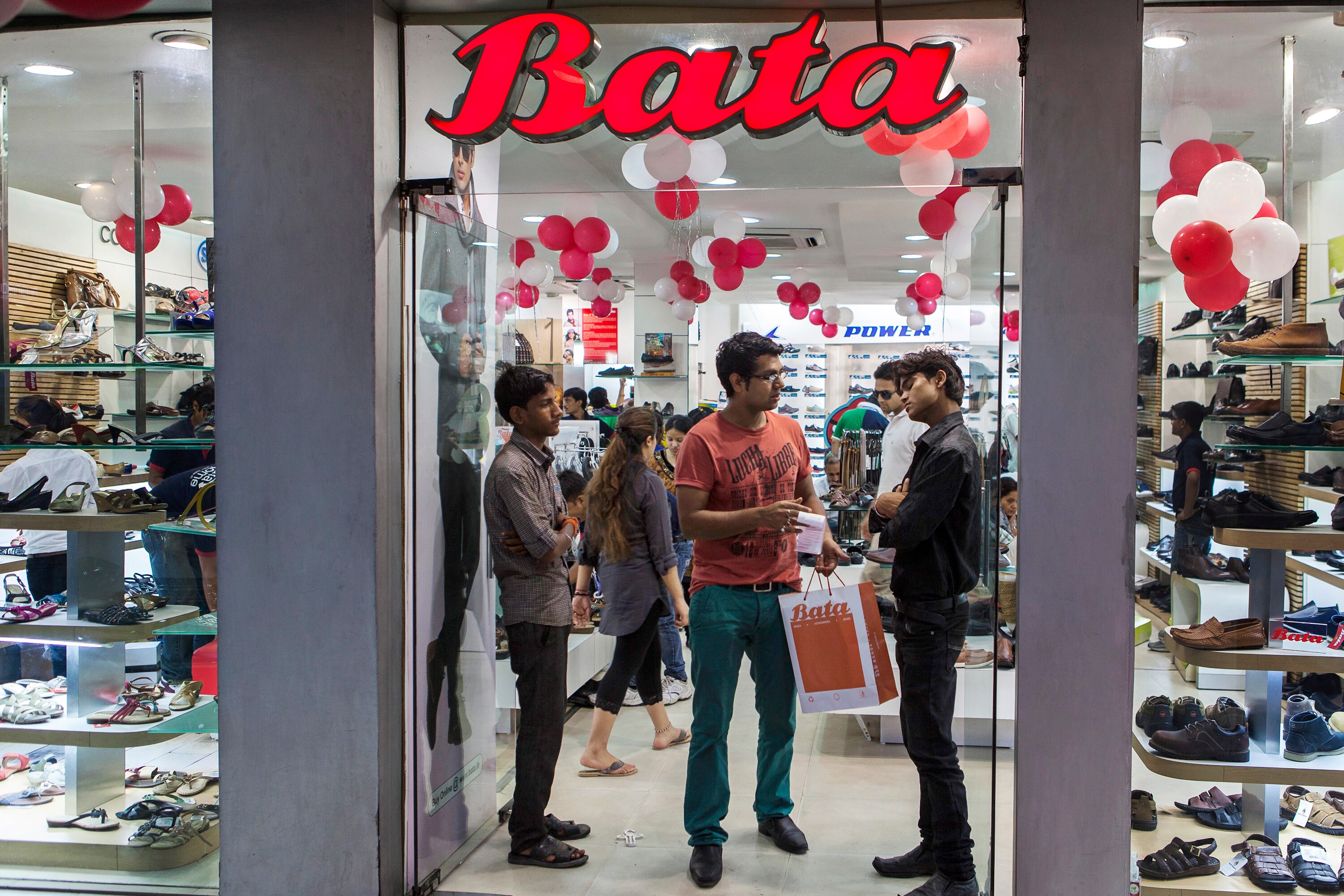
Till about a decade ago, Bata shoes were considered old-fashioned with little style to draw younger customers. Not anymore.
The maker and retailer of namesake footwear brand slowly worked to shed that image, with new designs targeting women and the young. More so in the last three years. The turnaround reflects in the company's financials with premium footwear now accounting for nearly a third of its sales, improving margins. That helped win investor faith.
Shares of Bata India surged 80 percent in the last 12 months compared with the 4 percent decline in the NSE Nifty 500 Index. It has returned nearly 180 percent gains in the last three years and more than 3,000 percent in the past decade, making it a mega wealth creator.

“We introduced new designs and styles in line with market trends, which were well accepted by our customers,” Ram Kumar Gupta, chief financial officer at Bata India, said in a chat with BloombergQuint. He said brand endorsement by younger film actors like Sushant Singh and Kriti Sanon has only added to its appeal.
Canada-based Bata, which traces its origins to 1897 in the erstwhile Czechoslovakia, saw Alexis Nassard take over as its new global chief executive officer in August 2016. Nassard, who considers India as one of the groups most important markets, has been driving change. Sandeep Kataria took over as India CEO in November 2017. RK Gupta had joined Bata in 1986 and has worked in different positions.
The three were instrumental in driving the change at the company, according to a report by Edelweiss Securities. Over the last two to three years, Bata India has made its shoes more palatable to the young as well expanded women's line.
The company sells products across categories through 1,400 stores in 550 cities.
Bata India's product mix also changed with mid-premium and premium contributing about 30 percent of its revenue.
Improving Margins
That, along with lower input costs, helped Bata India improve its margins and boost gross profit. That was aided by a cut in goods and services tax from 18 percent to 5 percent on footwear priced below Rs 1,000.
Spark Capital said controlled rental costs and better operating leverage also aided margin.
Not Cheap
The stock's stellar run has made it expensive. Shares of Bata India trade at 57 times the estimated earnings in FY19, not only higher than its five-year average but also costlier than peers.
Eight out of the thirteen analysts who tracked the stock have a ‘Buy' rating, according to Bloomberg data. It's expected to decline 2.8 percent, according to the average of 12-month price targets.

-
Talking Points This Week: Tech Nerves, FII Buying, And A Faraway Banking Shock

The global markets are not shining this Diwali. The exception in the large markets is, India.
-
Midterm Rally Lasted A Day. The Hard Reality Of A Divided US May Last Two Years | Opinion
Between a contested AI boom, a debt ceiling that arrives in 2027 and a president with every incentive to act alone, the next two years may prove more volatile than the first day's rally suggests.
-
Blue Wave Will Derail the AI Trade but Won't Dismantle the AI Era | Unhedged Position
The Democrats' sweep of the US Congress will see politics collide with economic forces both over the long and short term.
-
It's Time To Take The GST Council's Bet On Trust Global
Payment records can prove India's services exports, and clear, proportionate rules can bring foreign digital sellers into the tax net.
-
Opinion | India at 38: From Innovation Overperformer to Innovation Powerhouse
India now has 453 VC-backed deep science startups, 18 of them late-stage, after 117 percent growth since 2020. Laurus Labs, at USD 9.3 billion, is the most valuable deep science company in any middle-income economy outside China.
-
Navigating Energy Crossroads: S Jaishankar's Call For Diversified Supply Chains At G20 Ministerial Meeting
As geopolitical fault lines continue to test maritime trade routes and commodity flows, Jaishankar's message remains pertinent: true economic resilience requires open markets, protected transit lines, and a genuine commitment to multilateral cooperation rather than coercion.
-
Indians Are Travelling, But Not Every Journey Is A Holiday | The Week In Whys
Pilgrims, patients and working women are the real travellers, and the system hasn't quite caught up with them.
-
Getting To Work Costs Women More | The Reason Why
It is not just about women paying more than men. It is about women paying much more in cities than in villages.
-
AI Bias In Investing Cannot Be Eliminated, But It Can Be Governed
Framing is a particularly important example as identical financial information presented in terms of gains rather than losses can lead an LLM to reach a different assessment.









