Weekly Wrap: Sensex, Nifty Extend Gains Amid Rising India-Pakistan Tensions
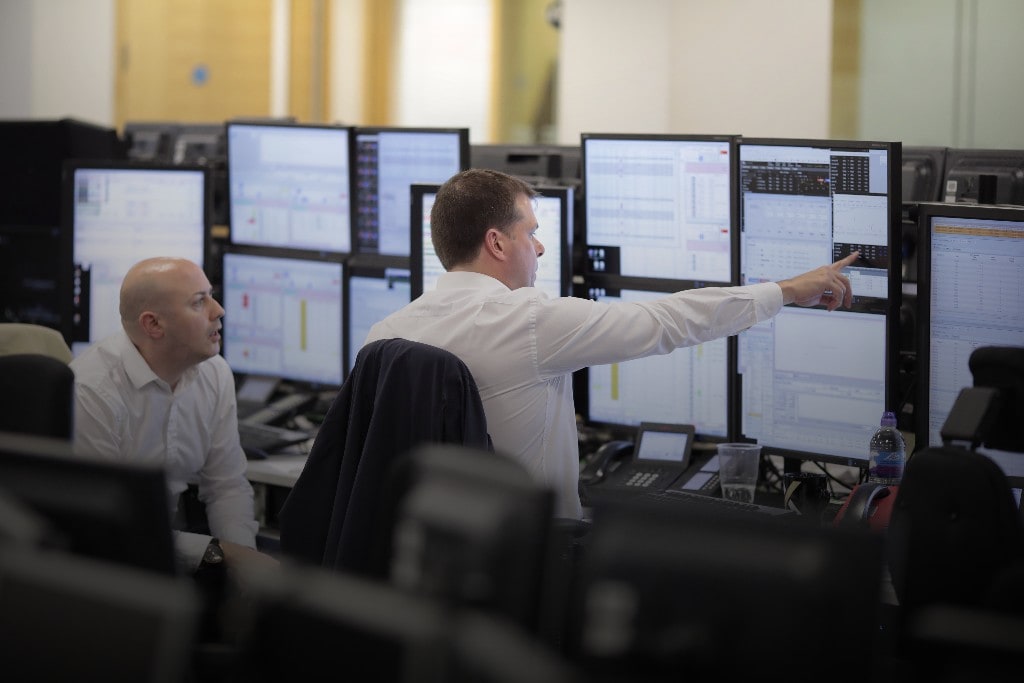
Indian equity benchmarks ended higher for the second consecutive week amid rising tensions between Indian and Pakistan.
The S&P BSE Sensex rose 0.54 percent this week to end the week at 36,063.81 and the NSE Nifty 50 ended 0.67 percent higher at 10,863.50.

“The benchmark indices started the week on a strong note led by positive developments between U.S.-China. However, the rally was short lived as geopolitical tensions between India and Pakistan took centre stage,” Jayant Manglik, president at Religare Broking said.
“The signs of de-escalation of tensions and supportive global cues led to a healthy rally in Indian markets on the last day of the week, thus helping the Nifty and Sensex to close with gains,” he said.
Manglik expect markets to remain volatile in the near term. “Signs of de-escalation of tensions between India and Pakistan is encouraging for Indian markets. However, any negative news on this front going forward would keep the markets volatile,” he said, adding that the progress on U.S.-China trade war, crude oil and currency movement would be actively tracked by the investors.
The Nifty Index is consolidating within the range of 10,730-10,930, Debabrata Bhattacharjee, head of research at CapitalAim said, adding there is a tug war between the bulls and bears around 200 DMA level, where the bears seem to prevail. “Nifty benchmark is looking in a range bound trade ahead in the near and medium term.”
The support for the index in the lower side is 10,730-10,700 while it can face resistance around 10,900-10,950. A sustainable move above 10,950 could form more bullishness in the near term towards 11,000 or 11,200 level.Debabrata Bhattacharjee, Head of Research, CapitalAim
The broader market index represented by the NSE Nifty 500 also rose for the second straight week to end 1.32 percent higher—led by Adani Power Ltd. and Sadbhav Engineering Ltd.
Nine out of the 11 sectoral gauges compiled by the National Stock Exchange advanced, led by the NSE Nifty Media Index's 6.3 percent rally. On the flip side, the NSE Nifty Realty Index was the top loser, down 1.2 percent.
The Indian rupee ended higher for the fourth consecutive week, its longest weekly gaining streak in over a year. The home currency appreciated 0.32 percent this week to end at 70.91 against the U.S. dollar, making it the second-best Asian currency performer during the period.
Big Talking Points Of This Week
- Indian air strike destroys terror camp in Pakistan.
- Pakistani jets violate Indian air space in Kashmir, arrest pilot.
- More than 50 percent chance of normal monsoon this year, says Skymet.
- RBI releases three more banks from Prompt Corrective Action Framework.
- India's GDP growth moderates to 6.6 percent pulling down economic expansion In 2018-19.
- Trump says he walked out on Kim after U.S. demands were rejected at Hanoi.
- North Korea's Kim vows to meet Trump again after Hanoi Summit collapse.
- U.K.'s Theresa May to consider delay to Brexit date.
- Kishore Biyani brings world's largest convenience store chain 7-Eleven to India.
- Founder Naresh Goyal agrees to step down as Jet Airways chairman.
- Trump hands Xi breathing room on economy with deadline extension.
- Tata explores options for struggling Jaguar-Land Rover.
- Animal spirits suggest tame start for India economy in 2019.
- E-Wallets: Death by a thousand KYCs.
Meanwhile, don't forget to catch all the BQ Blue Exclusives here.
Key Data To Watch Next Week
- March 5: Nikkei Services PMI for February.
- March 5: Nikkei India Composite PMI for February.
- March 5-29: Bop Current account balance for the fourth quarter.

-
Talking Points This Week: Tech Nerves, FII Buying, And A Faraway Banking Shock

The global markets are not shining this Diwali. The exception in the large markets is, India.
-
Midterm Rally Lasted A Day. The Hard Reality Of A Divided US May Last Two Years | Opinion
Between a contested AI boom, a debt ceiling that arrives in 2027 and a president with every incentive to act alone, the next two years may prove more volatile than the first day's rally suggests.
-
Blue Wave Will Derail the AI Trade but Won't Dismantle the AI Era | Unhedged Position
The Democrats' sweep of the US Congress will see politics collide with economic forces both over the long and short term.
-
It's Time To Take The GST Council's Bet On Trust Global
Payment records can prove India's services exports, and clear, proportionate rules can bring foreign digital sellers into the tax net.
-
Opinion | India at 38: From Innovation Overperformer to Innovation Powerhouse
India now has 453 VC-backed deep science startups, 18 of them late-stage, after 117 percent growth since 2020. Laurus Labs, at USD 9.3 billion, is the most valuable deep science company in any middle-income economy outside China.
-
Navigating Energy Crossroads: S Jaishankar's Call For Diversified Supply Chains At G20 Ministerial Meeting
As geopolitical fault lines continue to test maritime trade routes and commodity flows, Jaishankar's message remains pertinent: true economic resilience requires open markets, protected transit lines, and a genuine commitment to multilateral cooperation rather than coercion.
-
Indians Are Travelling, But Not Every Journey Is A Holiday | The Week In Whys
Pilgrims, patients and working women are the real travellers, and the system hasn't quite caught up with them.
-
Getting To Work Costs Women More | The Reason Why
It is not just about women paying more than men. It is about women paying much more in cities than in villages.
-
AI Bias In Investing Cannot Be Eliminated, But It Can Be Governed
Framing is a particularly important example as identical financial information presented in terms of gains rather than losses can lead an LLM to reach a different assessment.









