Wednesday Morning Briefing: Fed, ECB Uncertainty, Crude Gains
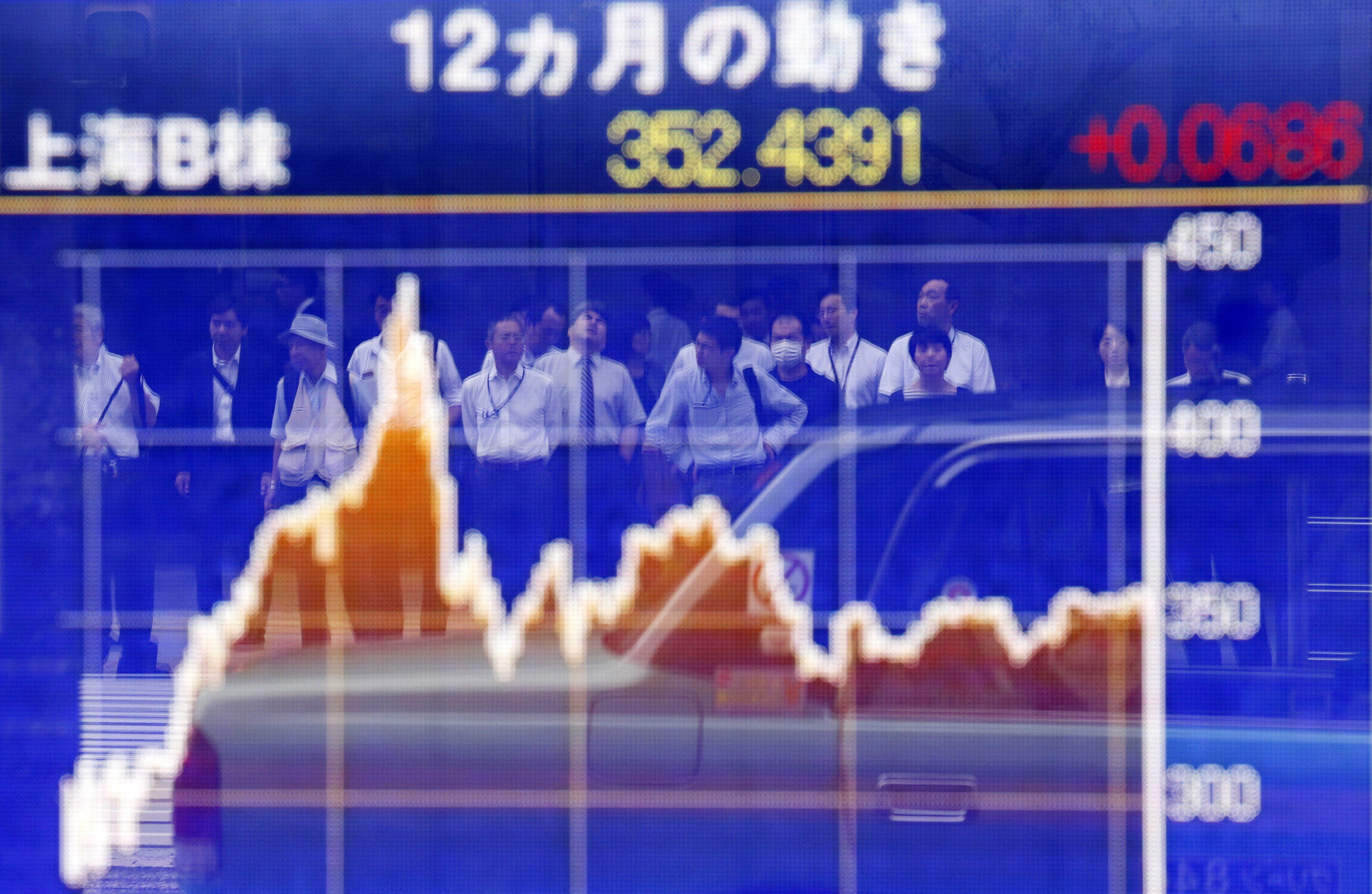
Asian stocks opened mixed over prospects of global central banks adopting less accommodative policies.
Japanese stocks gained as the yen dropped, but the rest of Asia traded with losses. Markets in China remain shut on account of a holiday.
ECB Stimulus Jolt
The European Central Bank may wind down bond purchases in steps of 10 billion euros a month, once a decision is taken to end quantitative easing, according to euro-zone central-bank officials cited by Bloomberg.

Fed Concerns
Federal Reserve Bank of Richmond President Jeffrey Lacker called for tighter monetary policy from the U.S. central bank. Lacker urged the Fed to hike rates to stave off a likely pickup in inflation that would force bigger increases later. Lacker's comments come just days after Cleveland Fed President Loretta Mester signalled that a rate hike could be possible in November.
The concerns that global central banks may be starting to map their retreat from easy money policies sent U.S. stocks lower on Tuesday. The S&P 500 Index fell 0.64 percent led by utility stocks.
Meanwhile, the International Monetary Fund reduced U.S. growth forecast to 1.6 percent from their July prediction of 2.2 percent.
Crude Stockpiles Rise
Oil rose to above $49 per barrel after data from the American Petroleum Institute showed that inventories fell 7.6 million barrels last week. However, Energy Information Administration data on Wednesday is forecast to show stockpiles increased.
A deal between Organization of the Petroleum Exporting Countries (OPEC) and non-member nations could cut output by 1.2 million barrels per day, according to Venezuela's oil minister. Such a deal could boost prices by as much as $15 per barrel, the minister added.
After posting strong gains in the previous week, gold futures for December delivery fell as much as three percent, clocking their worst trading day since 2013.

Quiet Wednesday?
The SGX Nifty index traded little changed at 8,792 as of 7:15 a.m. indicating a quiet start for Indian equities.

-
Ten Things I Learnt This Samvat

Patience can be a trap. Cheap stocks can stay cheap. Leverage can wipe you out. What did Samvat 2082 teach us? Niraj Shah writes on 10 lessons from the year gone by.
-
Talking Points This Week: Tech Nerves, FII Buying, And A Faraway Banking Shock
The global markets are not shining this Diwali. The exception in the large markets is, India.
-
Midterm Rally Lasted A Day. The Hard Reality Of A Divided US May Last Two Years | Opinion
Between a contested AI boom, a debt ceiling that arrives in 2027 and a president with every incentive to act alone, the next two years may prove more volatile than the first day's rally suggests.
-
Blue Wave Will Derail the AI Trade but Won't Dismantle the AI Era | Unhedged Position
The Democrats' sweep of the US Congress will see politics collide with economic forces both over the long and short term.
-
It's Time To Take The GST Council's Bet On Trust Global
Payment records can prove India's services exports, and clear, proportionate rules can bring foreign digital sellers into the tax net.
-
Opinion | India at 38: From Innovation Overperformer to Innovation Powerhouse
India now has 453 VC-backed deep science startups, 18 of them late-stage, after 117 percent growth since 2020. Laurus Labs, at USD 9.3 billion, is the most valuable deep science company in any middle-income economy outside China.
-
Navigating Energy Crossroads: S Jaishankar's Call For Diversified Supply Chains At G20 Ministerial Meeting
As geopolitical fault lines continue to test maritime trade routes and commodity flows, Jaishankar's message remains pertinent: true economic resilience requires open markets, protected transit lines, and a genuine commitment to multilateral cooperation rather than coercion.
-
Indians Are Travelling, But Not Every Journey Is A Holiday | The Week In Whys
Pilgrims, patients and working women are the real travellers, and the system hasn't quite caught up with them.
-
Getting To Work Costs Women More | The Reason Why
It is not just about women paying more than men. It is about women paying much more in cities than in villages.









