Vedanta To Raise Up To Rs 3,000 Crore Via NCD Issue
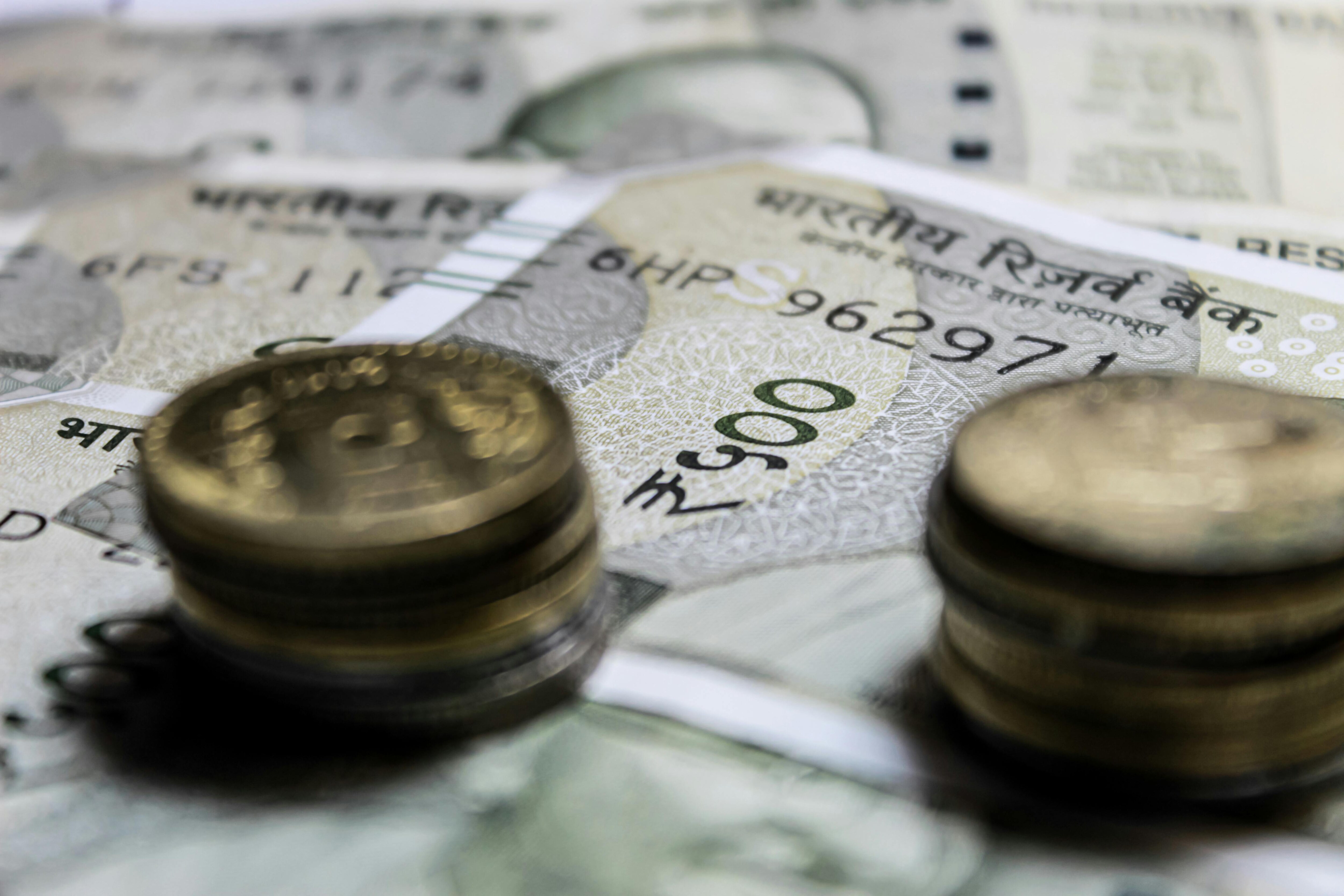
Vedanta Ltd. on Tuesday said that the committee of directors constituted by its board has approved the raising of Rs 3,000 crore via the issuance of non-convertible debentures.
The committee of directors considered and approved the issuance of unsecured, rated, listed and redeemable NCDs on a private placement basis, according to the exchange filing.
The committee has allowed the company to issue up to 3,00,000 NCDs with a face value Rs 1,00,000 each, aggregating up to Rs 3,000 crore, the disclosure added.
Earlier, in October, Vedanta Resources Ltd., the parent firm of Mumbai-based mining conglomerate Vedanta, raised $300 million by exercising the tap option on the existing bond issue. A tap issue is a procedure that allows companies to issue bonds or other short-term debt instruments from past issues.
Vedanta, in a separate exchange filing on Tuesday, said that it has received an order from office of the assistant/deputy commissioner of GST and Central Excise at Jharsuguda confirming penalty of Rs 1.08 crore, along with tax demand and applicable interest.
The issue pertains to payment of GST under reverse charge mechanism on certain supplies during the period from financial years 2017-2018 to 2019-2020, it said.
Vedanta stated that it intends to file an appeal against the said order with the appellate authorities. It is hopeful of a favourable outcome thereof and does not expect the said order to have any material financial impact on the company, it added.
Shares of Vedanta Ltd. closed 3.35% lower at Rs 421.3 apiece on the BSE, compared to a 1.32% decline in the benchmark Sensex.
With PTI inputs

-
High US Salaries, No Green Card Certainty: The Financial Calculation Facing Indian H-1B Families

The suspension of PERM processing at eight technology employers does not cancel existing H-1B visas. What it does is force a question many Indian families have been avoiding: is the US salary worth tying your career and family plans to one employer?
-
Unhedged Position: Can India See An Indonesia-Style Time Correction?
The Nifty is trading below levels it first clocked in 2024. Is there, then, as I have suggested in the headline, potential that the current time correction drags on painfully for the next three-five, even ten years?
-
Navigating Friction And Energy Realities: An Analysis Of Marco Rubio's October Visit To India
Occurring at a critical juncture marked by stalled trade negotiations and escalating geopolitical pressures over global energy supplies, the visit offers a profound window into modern US-India relations.
-
India Exports Capital. Why Not Export Trusteeship?
The big question, then, is whether India can build an institution that global borrowers, investors, banks, and lawyers can trust, even without an Indian connection.
-
France's Economy & Politics Are In Crisis | The Reason Why
Let's look at how the French economy and politics evolved under Nicolas Sarkozy, Franois Hollande and Emmanuel Macron.
-
You May Inherit The Business. You Must Earn Its Credibility.
Succession tests the founder's ability to share authority as much as it tests the next generation's readiness to assume it.
-
Signing Deals Is One Thing; Making Them Work Is Another | The Week In Whys
Sometimes, things don't turn out as planned. Indian companies have lost some bids to rivals, some projects won't produce until 2030.
-
FOMC Wall, PERM Suspension, Hospital Stocks | Talking Points This Week
A PERM suspension would directly affect green-card sponsorship rather than H-1B visas, so the near-term earnings impact could remain relatively limited. The key question is whether this marks a new phase in US scrutiny of Indian IT.
-
Everything, Everywhere, All At Once: Dalal Street's Week To Forget | Joining The Dots
Visa curbs, a Starlink spat and cancer drug caps: what connects this week's shocks for Indian markets
-
India Is Going Abroad For Critical Minerals. But It May Take Years To Pay Off | The Reason Why
Although India's steps are in the right direction, they remain modest compared with India's growing dependence.









