Varun Beverages Stock Gets 'Buy' From HSBC Global As It Expects 24% Upside
HSBC Global Research has initiated coverage on Varun Beverages Ltd. with a 'buy' rating and a target price of Rs 780 per share, implying a potential upside of 24.4%.
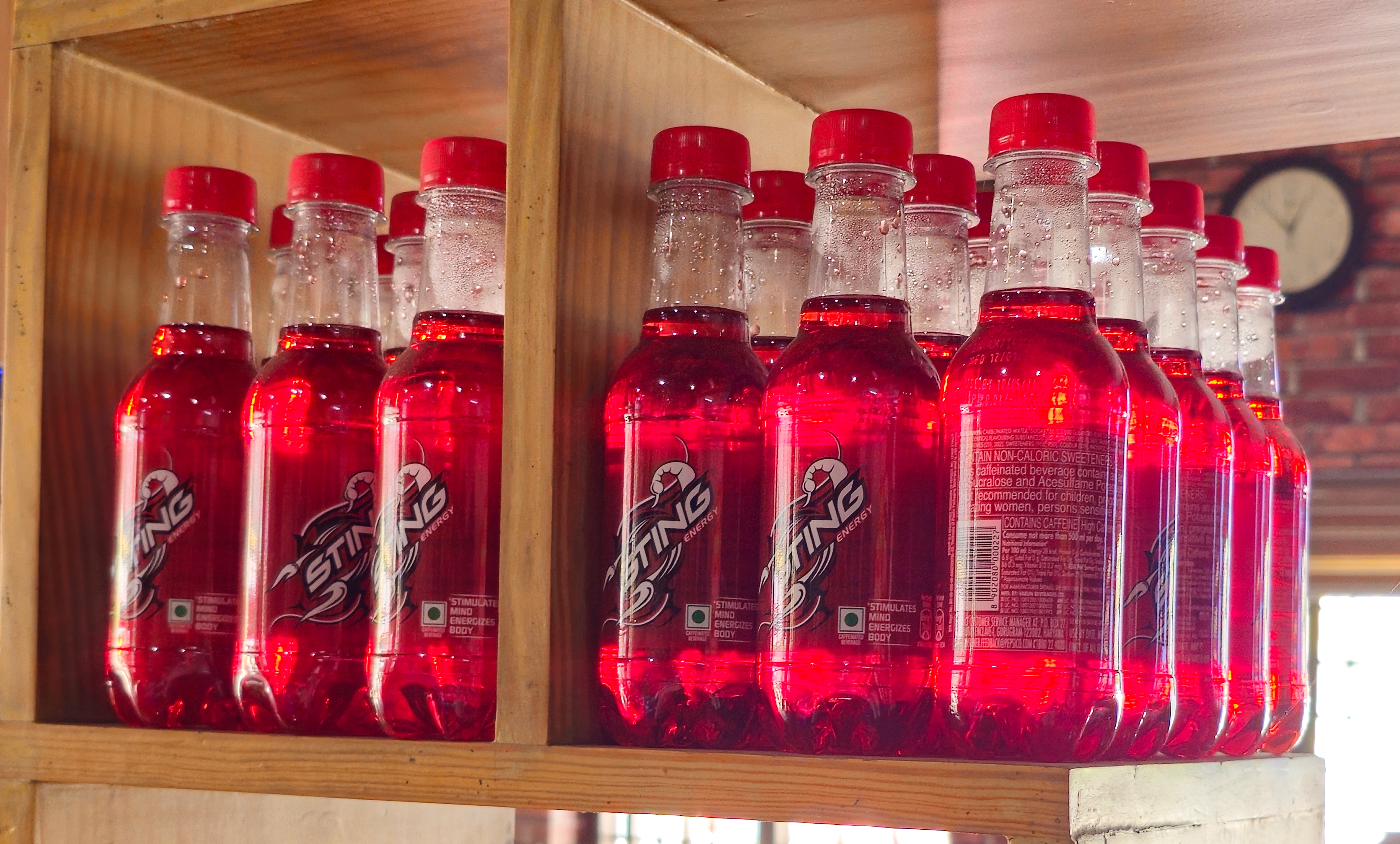
The brokerage expects Varun Beverages to become the largest PepsiCo bottler in history, holding a 28% market share in carbonated soft drinks and entering the fast-growing energy drinks space by positioning Sting Energy as a disruptor. Sting is priced at a slight premium to soft drinks, but significantly lower than competitors like Red Bull and Monster, marking a unique approach in the energy drinks segment, it said.
Target Price, Valuation, and Growth Prospects
HSBC has set a target price of Rs 780 per share, with the expectation of Varun Beverages achieving double-digit volume growth through geographic expansion.
The company is already one of the largest franchise CSD operators for PepsiCo, accounting for approximately 90% of PepsiCo's volume in India, and has rights to manufacture, distribute, and sell CSDs across India and some Asian and African markets.
The soft drink industry in India is expected to grow at twice the global rate, with revenues projected to rise by 13% annually, driven by favourable consumer demographics, urbanisation, and rising per-capita income.
HSBC sees an opportunity for Varun Beverages to boost sales of larger multi-serve packages for at-home consumption, supported by brand marketing efforts from PepsiCo. Additionally, leveraging AI-powered digital strategies and B2B platforms could help Varun Beverages maintain a competitive edge.
Varun Beverages' stock has consistently outperformed the market since its initial public offer in 2016, aided by robust volume growth and profitability, the brokerage noted. The company's Ebitda margin is at 23%, already near high levels for bottling companies globally. HSBC's three-stage Discounted Cash Flow model assumes a 10-year revenue CAGR of 16%, a 20-year mid-stage CAGR of 11%, and a terminal growth rate in cash flows of 3.5%.
Sting Disrupting Energy Drinks Market
The company's foray into the energy drinks market with Sting Energy has proven to be a game-changer. Positioned at a slight premium to soft drinks but much lower than competitors like Red Bull and Monster, Sting has disrupted the conventional energy drink business model, HSBC said.
Since its launch in 2017, Sting has grown to account for 15% of Varun Beverages' volumes, reflecting the rising demand for energy drinks in India. Premiumising consumption occasions for Sting and expanding the company's dairy-based beverage offerings are also additional growth opportunities.
About PepsiCo Collaboration
Varun Beverages' collaboration with PepsiCo has positioned it as a major player in the carbonated beverage market, with a diversified portfolio that includes Pepsi, Sting Energy, and other PepsiCo brands. This wide product portfolio and expanding retail footprint, particularly into rural areas, are expected to drive medium-term growth, HSBC said.
The company could capitalise on at-home consumption trends by introducing affordable, refillable multi-serve packages, it said.
The growth prospects for Varun Beverages are further strengthened by favourable macroeconomic factors in India. The domestic soft drink market is expected to grow twice as fast as the global market, driven by urbanisation, rising incomes, and increasing consumption occasions, with India poised to become the third-largest consumer market by 2027, HSBC said.
Risks And Challenges
Despite its strong potential, Varun Beverages faces certain downside risks. These include the inability to keep pace with technological advancements, slower-than-expected market penetration, macroeconomic headwinds, regulatory challenges related to plastic waste, and lack of a clear leadership succession plan, the note said. Slower integration of new acquisitions and weaker international currencies could also impact performance, it said.

-
High US Salaries, No Green Card Certainty: The Financial Calculation Facing Indian H-1B Families

The suspension of PERM processing at eight technology employers does not cancel existing H-1B visas. What it does is force a question many Indian families have been avoiding: is the US salary worth tying your career and family plans to one employer?
-
Swiggy vs Eternal: Food Delivery's Two Rivals Are No Longer In The Same Race
Eternal is building a private AI assistant, dark.ai. Swiggy is still working out how to make Instamart pay, with an operating loss of Rs 895 crore in the July-September quarter while Blinkit stayed profitable.
-
Where You Live Shapes How You Get To Work | The Reason Why
Two-wheelers are the most popular way to get to work in India, accounting for nearly 43% of workplace commutes.
-
Unhedged Position: Can India See An Indonesia-Style Time Correction?
The Nifty is trading below levels it first clocked in 2024. Is there, then, as I have suggested in the headline, potential that the current time correction drags on painfully for the next three-five, even ten years?
-
Navigating Friction And Energy Realities: An Analysis Of Marco Rubio's October Visit To India
Occurring at a critical juncture marked by stalled trade negotiations and escalating geopolitical pressures over global energy supplies, the visit offers a profound window into modern US-India relations.
-
India Exports Capital. Why Not Export Trusteeship?
The big question, then, is whether India can build an institution that global borrowers, investors, banks, and lawyers can trust, even without an Indian connection.
-
France's Economy & Politics Are In Crisis | The Reason Why
Let's look at how the French economy and politics evolved under Nicolas Sarkozy, Franois Hollande and Emmanuel Macron.
-
You May Inherit The Business. You Must Earn Its Credibility.
Succession tests the founder's ability to share authority as much as it tests the next generation's readiness to assume it.
-
Signing Deals Is One Thing; Making Them Work Is Another | The Week In Whys
Sometimes, things don't turn out as planned. Indian companies have lost some bids to rivals, some projects won't produce until 2030.
-
FOMC Wall, PERM Suspension, Hospital Stocks | Talking Points This Week
A PERM suspension would directly affect green-card sponsorship rather than H-1B visas, so the near-term earnings impact could remain relatively limited. The key question is whether this marks a new phase in US scrutiny of Indian IT.









