US Stock Markets Today: S&P 500 Falls, Nasdaq Down Over 1% As Tech Majors Slip
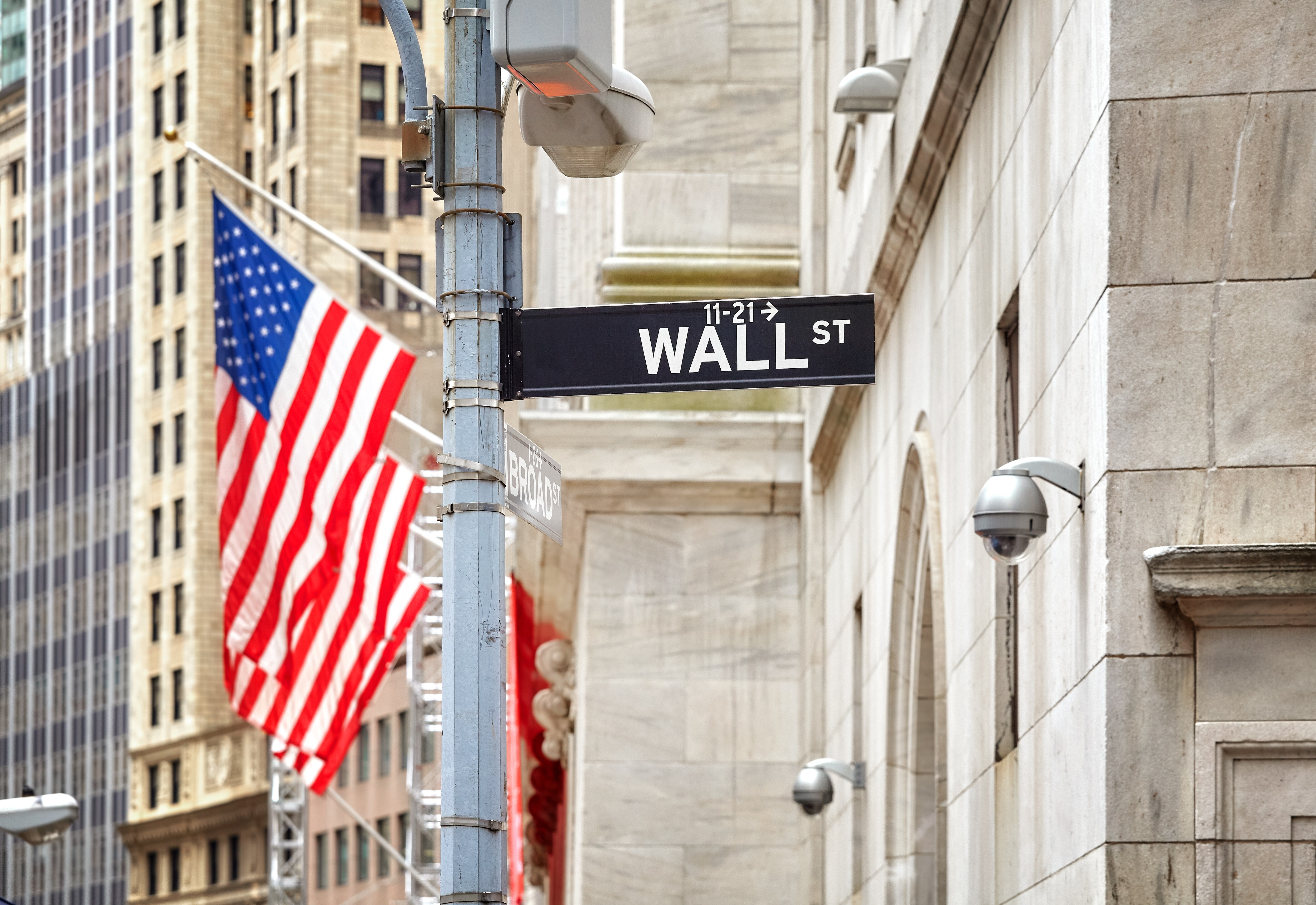
Two of the three main US stock market indices slipped significantly as the Wall Street opened for trade on Monday. The decline was led by a slump in the shares of some of the technology majors.
The broader index, S&P 500, opened 0.8% lower at 5,782.02, whereas the tech-heavy Nasdaq Composite was down 1.3% at 18,903.66 at the opening bell.
The 30-stock Dow Jones Industrial Average opened nearly flat at 41,924.68, but edged higher in the early minutes of trade.
Tech mega-caps were the among the losers in early trade, with Nvidia Corp. slipping 3.5%, Microsoft Corp. edging lower by 1% and Apple Inc. declining by 2.6%.
Before the US market opened for trade, its Asian peers settled on a low now. The Indian benchmark index NSE Nifty 50 closed 1.47% lower, Japan's Nikkei 225 shed 1.05%, Hong Kong's Hang Seng index fell 1% and mainland China's Shanghai Composite 0.25% lower.
Six out of the 11 sectoral indices advanced in early trade, led by the energy and materials sector.
The market is also expected to keep a tab on the Federal Budget Balance to be announced at 2:00 p.m. ET by the US Department of Treasury. The monthly report shows the difference in value between the federal government's income and spending over the preceding month. This might have an influence on Treasury yields and the dollar's strength.
Among other asset classes, the yield on 10-year US Treasury bonds advanced one basis point to 4.77%
The dollar index rose 0.1%. The euro fell 0.3% to $1.0209 and British pound fell 0.6% to $1.2139. The Japanese yen rose 0.4% to 157.17 per dollar.
In the commodities market, spot gold fell 0.8% to $2,667.93 an ounce. Brent crude, the global oil benchmark, advanced 1.07% to $80.61 per barrel.
Bitcoin, the world's largest traded cryptocurrency fell 3.8% to $90,775.07.

-
Blue Wave Will Derail the AI Trade but Won't Dismantle the AI Era | Unhedged Position

The Democrats' sweep of the US Congress will see politics collide with economic forces both over the long and short term.
-
It's Time To Take The GST Council's Bet On Trust Global
Payment records can prove India's services exports, and clear, proportionate rules can bring foreign digital sellers into the tax net.
-
Navigating Energy Crossroads: S Jaishankar's Call For Diversified Supply Chains At G20 Ministerial Meeting
As geopolitical fault lines continue to test maritime trade routes and commodity flows, Jaishankar's message remains pertinent: true economic resilience requires open markets, protected transit lines, and a genuine commitment to multilateral cooperation rather than coercion.
-
Indians Are Travelling, But Not Every Journey Is A Holiday | The Week In Whys
Pilgrims, patients and working women are the real travellers, and the system hasn't quite caught up with them.
-
Getting To Work Costs Women More | The Reason Why
It is not just about women paying more than men. It is about women paying much more in cities than in villages.
-
AI Bias In Investing Cannot Be Eliminated, But It Can Be Governed
Framing is a particularly important example as identical financial information presented in terms of gains rather than losses can lead an LLM to reach a different assessment.
-
Joining The Dots | Dark Skies, Steady Diya: Why Hope Holds This Diwali
With war, a weak rupee and foreign outflows weighing on sentiment, policymakers at the NDTV World Summit and market veterans at NDTV Profit Ignite: Diwali Edition offered the same advice: stay invested and filter out the noise.
-
The Curious Case of Equitas Small Finance Bank And A CEO Who Quit For Stock
PN Vasudevan believes persistent investor concerns over a perceived conflict of interest had become a governance overhang on Equitas Small Finance Bank's stock, even as the lender improved profitability and asset quality.
-
Talking Points This Week: AI Cash Burn, A Tiger Comeback And An India That Still Finds Its Own Path
India is not immune to higher oil or tighter global liquidity, yet its earnings base is broader, its domestic policy levers are still available.
-
Foreign Investors Own Half Of HDFC Bank and ICICI Bank. An LTCG Cut Could Matter Most Here
Foreign portfolio investors have US$115 billion parked in HDFC Bank, ICICI Bank. If the government cuts long-term capital gains tax, Jefferies says returning foreign money could land here first.










