TCS Is India’s First Company To Cross Rs 7 Lakh Crore In Market Value
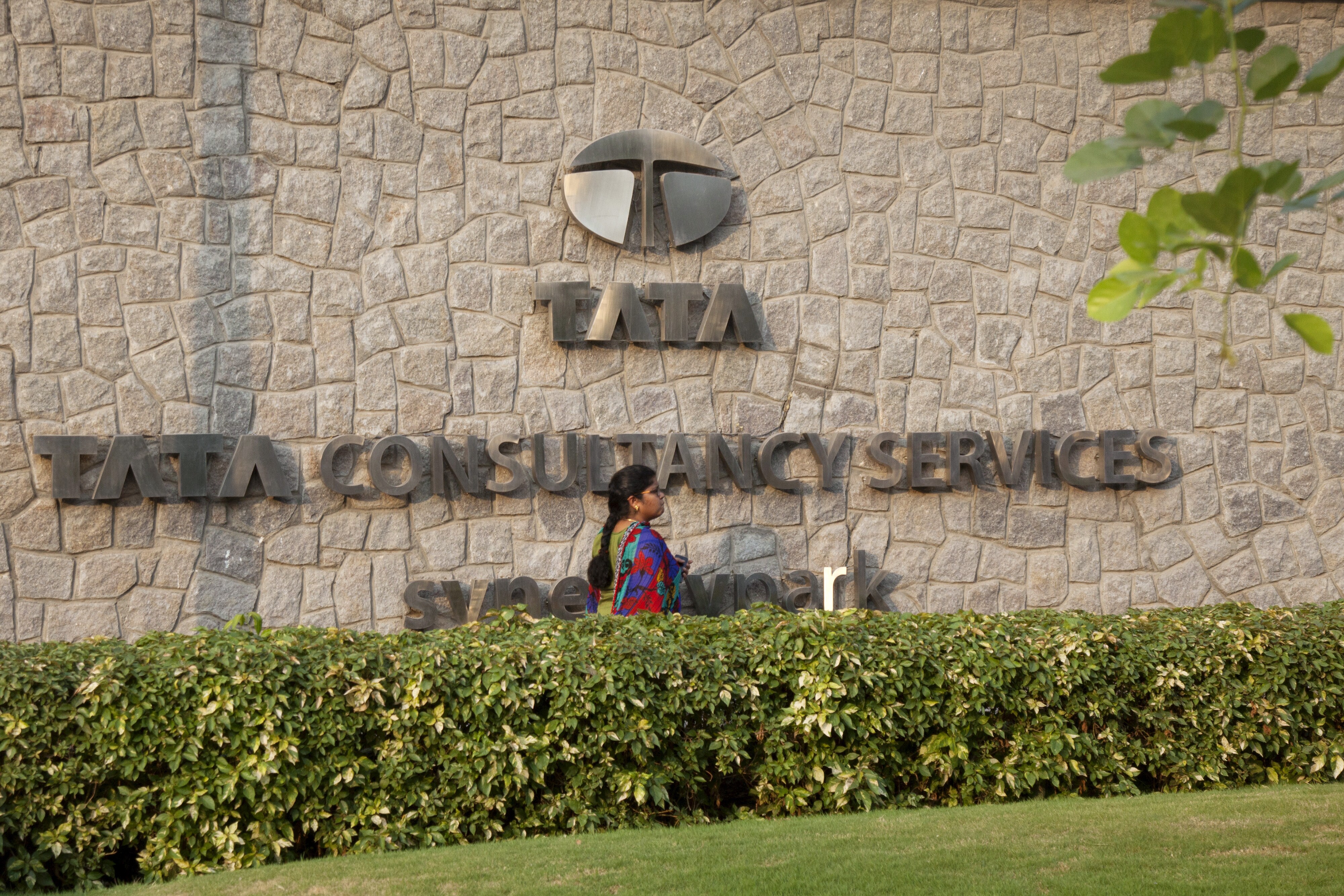
Tata Consultancy Services Ltd. today became the country's first company to hit the Rs 7 lakh crore market capitalisation milestone. This comes just a month after TCS became the first Indian information technology firm to cross the $100 billion (about Rs 6.7 lakh crore) mark.
TCS shares rose nearly 2 percent to an all-time high of Rs 3,674.8 apiece in early trading. The stock has rallied nearly 14.5 percent since the company touched $100 billion market value, mainly on the back of a weakening rupee. The Indian currency depreciated about 3.2 percent against the dollar in the last one month.

The stock has gained over 35 percent in the year so far compared with an over 19 percent gain in the NSE Nifty IT Index. TCS' Relative Strength Index reading of 71 indicates that the stock may be ‘overbought'. RSI is considered overbought when above 70 and oversold when below 30.
Most brokerages expect TCS to clock a healthy growth in the ongoing financial year. “There is a definite possibility of double-digit revenue growth with robust deal wins and green shoots in the BFSI (banking, financial services and insurance) space,” Edelweiss had said in a note last month.
Earlier this week, Tata Sons' Chairman N Chandrasekaran had told shareholders in the annual report that that “strategic and early investments in digital have positioned it well to benefit from the immense opportunities that lie ahead”.
TCS' Journey Since Going Public
- 2004
The company prices its initial public offering at Rs 850 per share.
- 2005
Its market capitalisation touched $10 billion-mark.
- 2010
It took more than four years for the company to reach $25 billion on July 2010.
- 2013
The market capitalisation scaled $50 billion-milestone in July.
- 2014
The company touched $75 billion in market value, adding the next $25-billion in a year.
- April 2018
TCS hits $100 billion-mark after company reported better-than-anticipated earnings.
- May 2018
TCS becomes India's first company to cross Rs 7 lakh crore in market cap.

-
Ten Things I Learnt This Samvat

Patience can be a trap. Cheap stocks can stay cheap. Leverage can wipe you out. What did Samvat 2082 teach us? Niraj Shah writes on 10 lessons from the year gone by.
-
Talking Points This Week: Tech Nerves, FII Buying, And A Faraway Banking Shock
The global markets are not shining this Diwali. The exception in the large markets is, India.
-
Midterm Rally Lasted A Day. The Hard Reality Of A Divided US May Last Two Years | Opinion
Between a contested AI boom, a debt ceiling that arrives in 2027 and a president with every incentive to act alone, the next two years may prove more volatile than the first day's rally suggests.
-
Blue Wave Will Derail the AI Trade but Won't Dismantle the AI Era | Unhedged Position
The Democrats' sweep of the US Congress will see politics collide with economic forces both over the long and short term.
-
It's Time To Take The GST Council's Bet On Trust Global
Payment records can prove India's services exports, and clear, proportionate rules can bring foreign digital sellers into the tax net.
-
Opinion | India at 38: From Innovation Overperformer to Innovation Powerhouse
India now has 453 VC-backed deep science startups, 18 of them late-stage, after 117 percent growth since 2020. Laurus Labs, at USD 9.3 billion, is the most valuable deep science company in any middle-income economy outside China.
-
Navigating Energy Crossroads: S Jaishankar's Call For Diversified Supply Chains At G20 Ministerial Meeting
As geopolitical fault lines continue to test maritime trade routes and commodity flows, Jaishankar's message remains pertinent: true economic resilience requires open markets, protected transit lines, and a genuine commitment to multilateral cooperation rather than coercion.
-
Indians Are Travelling, But Not Every Journey Is A Holiday | The Week In Whys
Pilgrims, patients and working women are the real travellers, and the system hasn't quite caught up with them.
-
Getting To Work Costs Women More | The Reason Why
It is not just about women paying more than men. It is about women paying much more in cities than in villages.









