Oil Outages In Gulf Of Mexico Are Straining An Already Tight Market
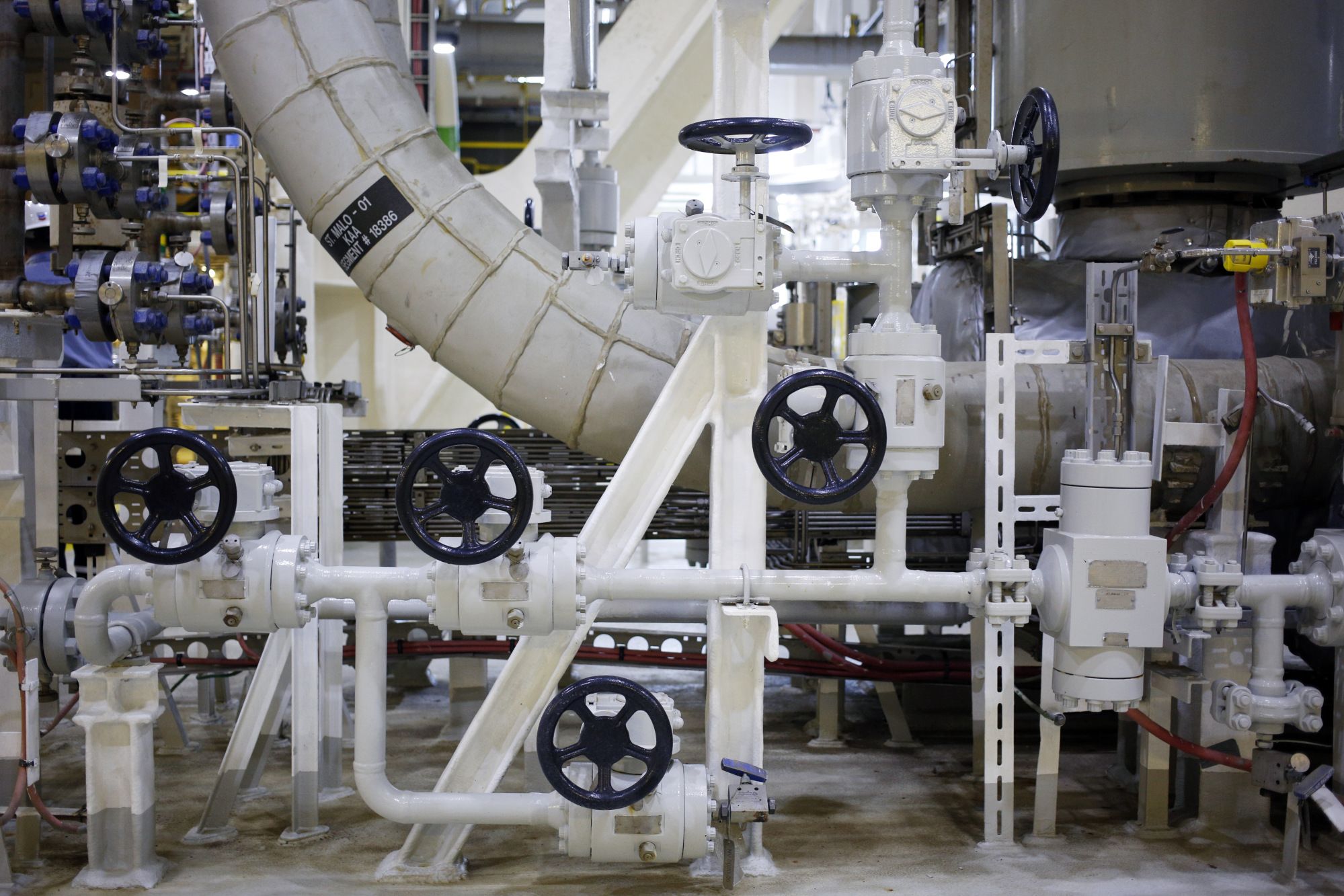
(Bloomberg) -- Shell is ramping up three of its oil and gas fields in the Gulf of Mexico after completing repairs to a station in Fourchon, Louisiana, that allowed key pipes to resume flows.
Multiple offshore platforms were shut Thursday after a leak at Louisiana booster station halted Shell Plc's Amberjack and Mars pipelines. Combined, these pipe systems can transport as much as 500,000 barrels of oil a day from the Gulf to the coast.
Shell said late Friday the Mars pipeline has restarted and is returning to normal service after completing fixes to the Fourchon booster station. The company is also ramping up production at its Mars, Ursa and Olympus fields, a spokesperson said. Amberjack, which is jointly owned by Chevron, resumed operations earlier Friday and flows are going back to normal, she added.
Earlier, Chevron said it resumed production at its Jack/St. Malo, Tahiti and Big Foot platforms after the Amberjack pipe restarted. Equinor ASA's Titan platform and some of Murphy Oil Corp.'s fields were among other offshore assets that halted operations when Mars and Amberjack pipes stopped service, the companies said.
The shut-ins come at a time when global energy supplies are exceedingly tight. While US crude inventories have been cushioned by the government's tapping of emergency oil reserves, stocks nevertheless remain below the five-year average. Supplies could tighten further, with the International Energy Agency forecasting that oil demand will accelerate this year.
Prices for Mars Blend crude, a regional sour crude benchmark, strengthened Thursday before easing Friday. At the same time, Gulf of Mexico dry-gas production fell about 10%, the most since January, according BloombergNEF estimates based on pipeline flows.
(Adds restart of Mars pipe and 3 fields in third paragraph. A previous version corrected the Energy Aspects production impact estimate in the fourth paragraph to “barrels” from “barrels a day.”)
More stories like this are available on bloomberg.com
©2022 Bloomberg L.P.

-
Ten Things I Learnt This Samvat

Patience can be a trap. Cheap stocks can stay cheap. Leverage can wipe you out. What did Samvat 2082 teach us? Niraj Shah writes on 10 lessons from the year gone by.
-
Talking Points This Week: Tech Nerves, FII Buying, And A Faraway Banking Shock
The global markets are not shining this Diwali. The exception in the large markets is, India.
-
Midterm Rally Lasted A Day. The Hard Reality Of A Divided US May Last Two Years | Opinion
Between a contested AI boom, a debt ceiling that arrives in 2027 and a president with every incentive to act alone, the next two years may prove more volatile than the first day's rally suggests.
-
Blue Wave Will Derail the AI Trade but Won't Dismantle the AI Era | Unhedged Position
The Democrats' sweep of the US Congress will see politics collide with economic forces both over the long and short term.
-
It's Time To Take The GST Council's Bet On Trust Global
Payment records can prove India's services exports, and clear, proportionate rules can bring foreign digital sellers into the tax net.
-
Opinion | India at 38: From Innovation Overperformer to Innovation Powerhouse
India now has 453 VC-backed deep science startups, 18 of them late-stage, after 117 percent growth since 2020. Laurus Labs, at USD 9.3 billion, is the most valuable deep science company in any middle-income economy outside China.
-
Navigating Energy Crossroads: S Jaishankar's Call For Diversified Supply Chains At G20 Ministerial Meeting
As geopolitical fault lines continue to test maritime trade routes and commodity flows, Jaishankar's message remains pertinent: true economic resilience requires open markets, protected transit lines, and a genuine commitment to multilateral cooperation rather than coercion.
-
Indians Are Travelling, But Not Every Journey Is A Holiday | The Week In Whys
Pilgrims, patients and working women are the real travellers, and the system hasn't quite caught up with them.
-
Getting To Work Costs Women More | The Reason Why
It is not just about women paying more than men. It is about women paying much more in cities than in villages.









