SEBI Widens Probe Into Global Depository Receipts Misuse For Routing Black Money
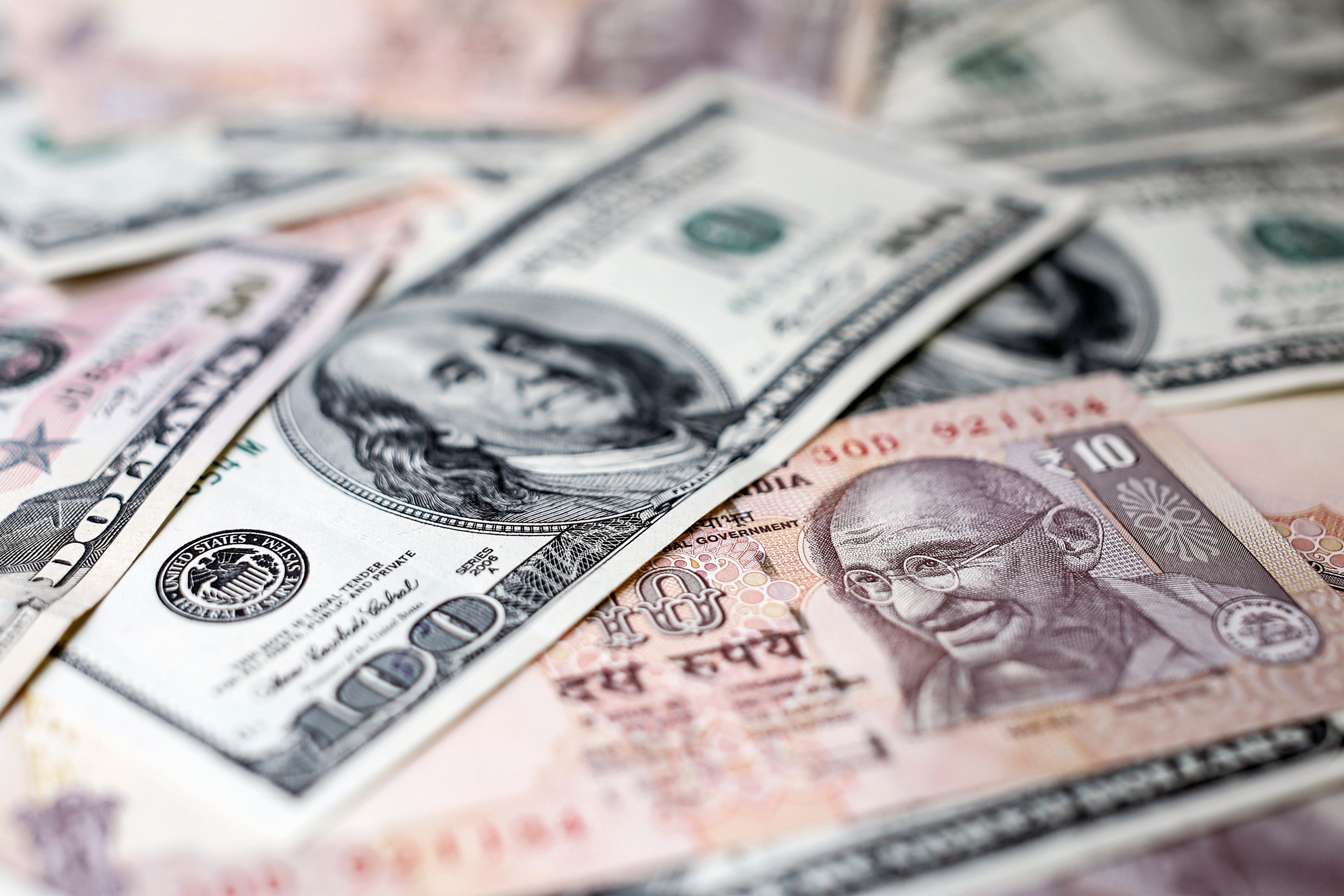
Capital markets regulator SEBI has widened probe into suspected misuse of GDR instruments for routing black money back to India and is investigating the role of over 50 individuals and companies.
SEBI has found prima-facie evidence of these entities having been involved in fraudulent activities in issuance and redemption of Global Depository Receipts (GDRs) and has issued showcause notices to them, a senior official said.
These entities, including listed firms as well as their promoters, top management and associates, will be called by the Securities and Exchange Board of India (SEBI) for personal hearings in the coming weeks, which would be taken into account by it before the final order.
The official declined to disclose any names, as the investigation is currently underway.
Amid a tight vigil by various regulators and agencies on all possible ways for routing of black money, SEBI has found large-scale misuse of GDRs for bringing back suspected illicit funds stashed abroad.
While SEBI has already clamped down on some entities for such manipulations, many others have now come under the scanner for similar offences.
The modus-operandi typically involves creating an intricate web of entities in various jurisdictions including Switzerland, Hong Kong, Singapore, Mauritius, Dubai and Canada, for multi-layered transfers of funds before bringing them back to India.
GDR is a popular financial instrument used by listed companies in India, as also in many other countries, to raise funds denominated mostly in US dollar or euros.
Typically, GDRs are bank certificates issued in more than one country for shares of a company, which are held by a foreign branch of an international bank. While shares trade on a domestic stock exchange, which happens to be in India in the present case, they can be offered for sale globally through the empanelled bank branches.
In the case under scanner, it has been noticed that the companies have shown raising funds without actually involving real investors, hinting at possible routing of black money.
Besides, links have emerged in some cases between the entities linked to the issuer company and those from whose accounts such funds get transferred in the name of fictitious investors.
For further transfer of funds, purportedly raised through GDRs, the companies show fictitious business dealings and several bank accounts are used before the money reaches the final beneficiaries.
Sources said that the capital markets watchdog has come across quite a few cases where GDR route could have been used for round-tripping of funds in the name of capital-raising activities of listed companies from abroad. The issue has also been flagged by some other agencies while probing financial matters.
Rounding tripping of funds has been a major route for those laundering black money. It typically involves an entity transferring an asset or funds, in the name of a business deal, with an agreement to buy it back.
Such practices also involve inflating the size of business transactions without making any real profits and are undertaken mostly to transfer illicit funds or other such assets.
Besides GDRs, the regulatory and other agencies are already probing the suspected misuse of stock markets within India to evade taxes and launder money through trading in companies that mostly exist on paper.
SEBI is focusing on securities market related violations by these individuals and companies, who have evaded taxes and converted black money into 'legitimate-looking' funds, by creating fictitious gains or losses in the stock market.

-
Unhedged Position: Can India See An Indonesia-Style Time Correction?

The Nifty is trading below levels it first clocked in 2024. Is there, then, as I have suggested in the headline, potential that the current time correction drags on painfully for the next three-five, even ten years?
-
Navigating Friction And Energy Realities: An Analysis Of Marco Rubio's October Visit To India
Occurring at a critical juncture marked by stalled trade negotiations and escalating geopolitical pressures over global energy supplies, the visit offers a profound window into modern US-India relations.
-
India Exports Capital. Why Not Export Trusteeship?
The big question, then, is whether India can build an institution that global borrowers, investors, banks, and lawyers can trust, even without an Indian connection.
-
France's Economy & Politics Are In Crisis | The Reason Why
Let's look at how the French economy and politics evolved under Nicolas Sarkozy, Franois Hollande and Emmanuel Macron.
-
You May Inherit The Business. You Must Earn Its Credibility.
Succession tests the founder's ability to share authority as much as it tests the next generation's readiness to assume it.
-
Signing Deals Is One Thing; Making Them Work Is Another | The Week In Whys
Sometimes, things don't turn out as planned. Indian companies have lost some bids to rivals, some projects won't produce until 2030.
-
FOMC Wall, PERM Suspension, Hospital Stocks | Talking Points This Week
A PERM suspension would directly affect green-card sponsorship rather than H-1B visas, so the near-term earnings impact could remain relatively limited. The key question is whether this marks a new phase in US scrutiny of Indian IT.
-
Everything, Everywhere, All At Once: Dalal Street's Week To Forget | Joining The Dots
Visa curbs, a Starlink spat and cancer drug caps: what connects this week's shocks for Indian markets
-
India Is Going Abroad For Critical Minerals. But It May Take Years To Pay Off | The Reason Why
Although India's steps are in the right direction, they remain modest compared with India's growing dependence.
-
When Everyone Has AI, What Gives You An Edge?
India's young workforce is entering an uncertain world of work where powerful AI tools are becoming widely accessible. The advantage will belong to those who combine deep expertise with digital fluency, and the distinctly human capabilities that technology cannot manufacture.









