SEBI Plans To Relax Proposed Limits On Index Options Trading
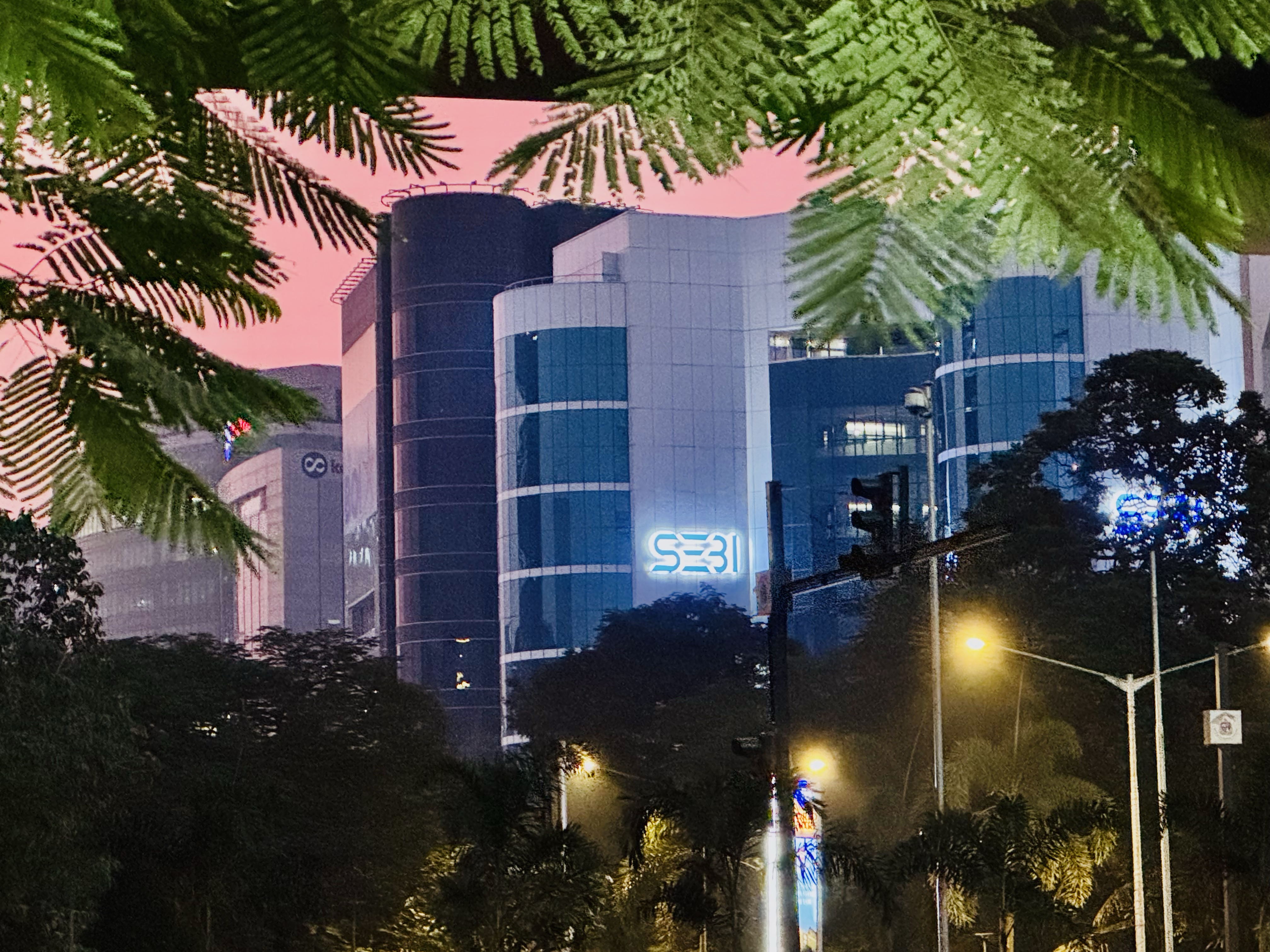
The Securities and Exchange Board of India is likely to ease the proposed curbs on trading in Index Options, by introducing a much higher threshold for net and gross position limits, sources privy to the matter told NDTV Profit.
The sources indicated that SEBI is leaning towards allowing a net end of the day limit of Rs 1,500 crore and a gross limit of Rs 10,000 crore (each side) for Index Options. As per the previous proposal of the regulator, the net end of the day limit was Rs 500 crore only with a gross limit of Rs 1,500 crore.
Notably, intraday trading in index options is likely to be exempt from any cap, as per the people in the know. Instead, a robust surveillance protocol will be implemented where exchanges, in coordination with SEBI, will monitor intraday positions up to four times a day. If a trader's exposure breaches certain thresholds, the regulator will investigate for possible concentration or manipulation.
The decision to moderate its earlier stance comes after SEBI reviewed a wide range of public comments received in response to its consultation paper. A key distinction was drawn between long-term regulatory policy and the more immediate needs of market surveillance.
The regulator is also moving towards a delta-based open interest metric instead of the traditional notional method. This approach accounts for the actual economic exposure of options trades rather than their notional size, which can be misleading.
In a consultation paper released on Feb. 25, SEBI proposed a shift to a ‘future equivalent' method of calculating open interest (IO) in the equity derivatives market on Monday. This was suggested in place of a notional value-based method of calculation of IO, to prevent the stocks from being manipulated and pushed into a ban period.
The notional value calculation is based on the addition of values of all futures and contracts without giving significance to the actual risk. This may make a stock look heavily traded and trigger a ban period in an unfair method. Whereas, a future equivalent method calculates the open interest based on how much a contract moves with a stock instead of its total value. Hence, this proposed method would show a more realistic image of market risk.

-
Navigating Energy Crossroads: S Jaishankar's Call For Diversified Supply Chains At G20 Ministerial Meeting

As geopolitical fault lines continue to test maritime trade routes and commodity flows, Jaishankar's message remains pertinent: true economic resilience requires open markets, protected transit lines, and a genuine commitment to multilateral cooperation rather than coercion.
-
Indians Are Travelling, But Not Every Journey Is A Holiday | The Week In Whys
Pilgrims, patients and working women are the real travellers, and the system hasn't quite caught up with them.
-
Getting To Work Costs Women More | The Reason Why
It is not just about women paying more than men. It is about women paying much more in cities than in villages.
-
AI Bias In Investing Cannot Be Eliminated, But It Can Be Governed
Framing is a particularly important example as identical financial information presented in terms of gains rather than losses can lead an LLM to reach a different assessment.
-
Joining The Dots | Dark Skies, Steady Diya: Why Hope Holds This Diwali
With war, a weak rupee and foreign outflows weighing on sentiment, policymakers at the NDTV World Summit and market veterans at NDTV Profit Ignite: Diwali Edition offered the same advice: stay invested and filter out the noise.
-
The Curious Case of Equitas Small Finance Bank And A CEO Who Quit For Stock
PN Vasudevan believes persistent investor concerns over a perceived conflict of interest had become a governance overhang on Equitas Small Finance Bank's stock, even as the lender improved profitability and asset quality.
-
Talking Points This Week: AI Cash Burn, A Tiger Comeback And An India That Still Finds Its Own Path
India is not immune to higher oil or tighter global liquidity, yet its earnings base is broader, its domestic policy levers are still available.
-
Foreign Investors Own Half Of HDFC Bank and ICICI Bank. An LTCG Cut Could Matter Most Here
Foreign portfolio investors have US$115 billion parked in HDFC Bank, ICICI Bank. If the government cuts long-term capital gains tax, Jefferies says returning foreign money could land here first.
-
'Never Seen This Level Of Negativity': Sandeep Tandon Says The Next Rally May Be Closer Than You Think
Veteran investor Sandeep Tandon says foreign selling is easing, large-caps are due a comeback and mid-caps are crowded, while he turns positive on gold, power and pharma this Diwali.
-
Indians Stay With Family, Not In Hotels | The Reason Why
India still lacks enough clean, reliable and affordable hotels for budget-conscious travellers.










