SEBI Co-Location Probe: How Much OPG Gained With First Access To NSE’s Server
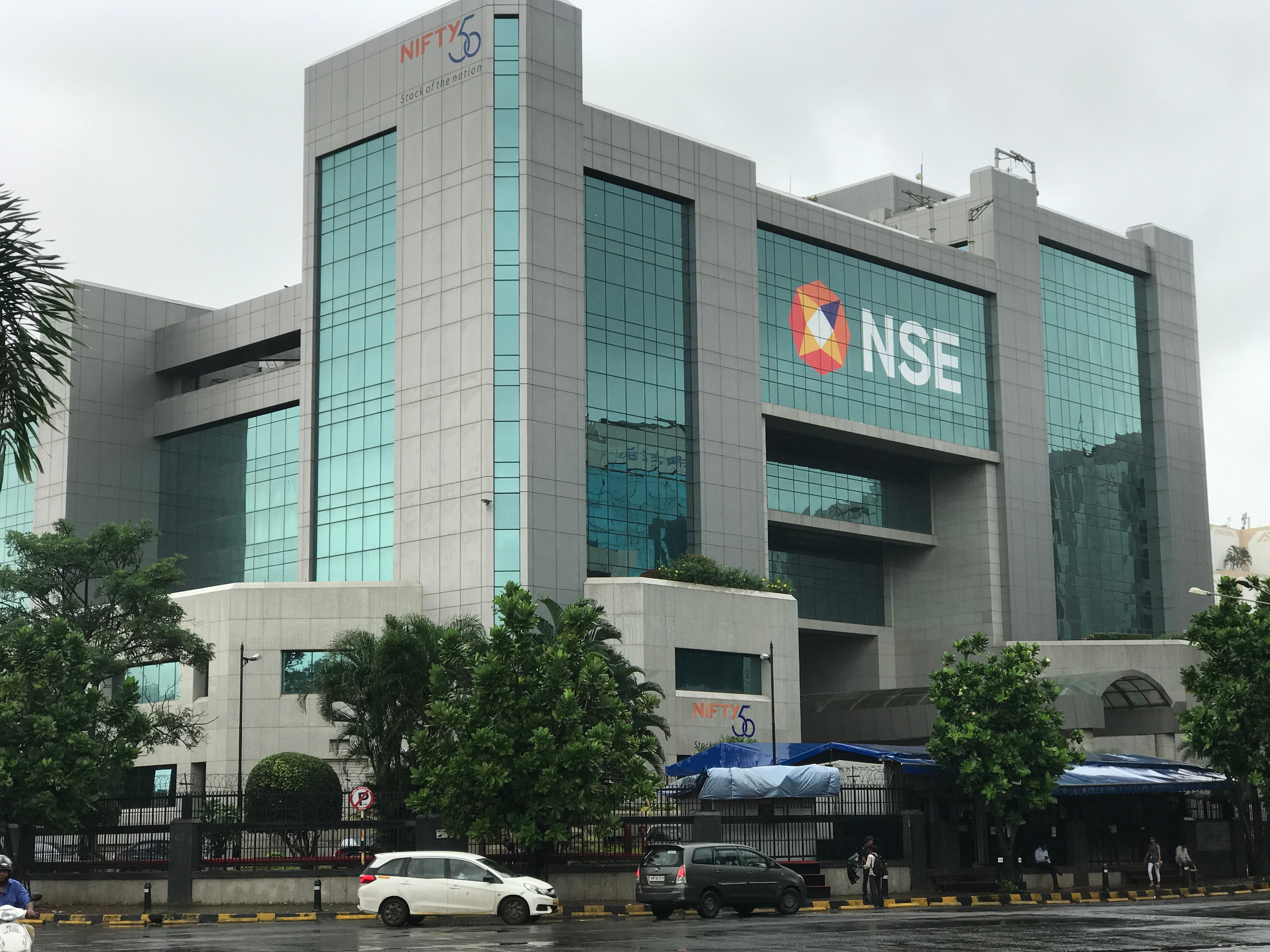
Four years of preferential access to the National Stock Exchange of India Ltd.'s server earned Delhi-based brokerage firm OPG Securities Ltd. Rs 25 crore in profit.
That's what market regulator has alleged in its show-cause notice to OPG Securities, based on an audit by Indian School of Business, Hyderabad. BloombergQuint reviewed a copy of the notice.
This is the first time in its nearly three-year-long probe that the Securities and Exchange Board of India has put an amount to the gains made through unfair access to NSE's co-location service. The gain may seem underwhelming when compared to the impact the alleged scam has had on the NSE—Chief Executive Officer Chitra Ramkrishna was forced to step down and the exchange's IPO has been delayed due to the ongoing proceedings. But the issue of unfair access to a stock exchange can't be measured in trading gains or losses, say experts.
“It's not about money...whether it's one rupee or countless crores, the effect is the same: the market is not a level-playing field,” said Patrick Young, a capital markets expert and chief executive officer of European crowd-funding platform Hanza Trade. “Exchanges need to maintain ‘my word is my bond' and once that dictum has been breached, there is de facto a crisis of confidence.”
Agreed JN Gupta, former executive director at SEBI and co-founder and managing director at investor advisory firm Stakeholder Empowerment Services. “If the exchange has failed in providing fair access and has allegedly connived to give some members preferential access with mala fide intent, then it's in violation of the SEBI Act.”
A spokesperson for OPG Securities, when contacted over the phone, declined to comment saying the matter is with the regulator and sub judice. SEBI has yet to respond to BloombergQuint's emailed queries.
“The matter is with the regulator hence we will not be able to offer any comment.” said a spokesperson for the NSE in an emailed response.
How It Worked
SEBI has accused OPG of gaining first access to the exchange's less-crowded secondary servers. The regulator gave an example of how the broking firm was the first to login almost all the time.
Citing investigations of an expert panel under SEBI's technical advisory committee, the regulator said:
- OPG was the first to connect 92.83 percent of the time in 2012 in the futures and options segment, and 99.20 percent in 2013.
- It's first-access rate fell sharply to 43.03 percent in 2014 after the exchange introduced a multi-cast system—broadcasting data to all parties at the same time.
They make higher rupee profits of about close to Rs 25 crores when they login early when compared to situations when they do not.SEBI In Show-Cause Notice
OPG's proprietary profit when it logged in first was Rs 15.55 crore, while it made a loss of Rs 2 lakh when the brokerage wasn't the first on the secondary server between 2010 and 2014, according to SEBI.
“... lt appears that the profit advantage when looking at total profits is due to the fact that they login first more frequently than not,” the regulator said. “The frequency of early logins is extraordinarily high for this member [OPG].”
Two Other Brokerages Benefited Too
Way2Wealth, a Mumbai-based brokerage, and Delhi-based GKN Securities, were also a “direct beneficiary of preferential treatment by NSE” when the exchange violated its cabling policy. The regulator, in its notices, didn't quantify the gains made by the two firms.
Way2Wealth and GKN through Sampark arranged the cabling in the co-location rack such that these firms had the lower latency—time for data to travel— compared to other trading members, SEBI alleged.
“NSE allowed Way2Wealth to continue to use the Sampark line even after knowing that Sampark didn't have the requisite licenses to provide such connectivity,” said SEBI.
Emails and subsequent reminders to Way2Wealth were not answered. GKN Securities, in an emailed statement, said it has never acted in bad faith and always strictly adhered to all laws of the land. GKN said the firm took all requisite permissions from the NSE to establish connectivity. The brokerage, according to data on BSE, has OPG's founder OP Gupta as one of its directors.
In a separate show-cause notice, SEBI alleged that NSE's former top-ranking executives Ravi Narain, Chitra Ramkrishna and Subramanian Anand “facilitated fraud and manipulation” by failing to prevent the three brokerages from gaining preferential access to the bourse's servers. The regulator accused them of fraud, violation of the SEBI Act and Securities Contract and Regulations Act.
The NSE, according to Young, has to take the blame. “The role of the exchange is to be an entirely neutral arbiter for transactions. Institutional trust is therefore a vital factor,” he said. “Having set their own bar intentionally above the level-prevailing within some aspects of Indian business standards, the NSE has fallen further with these accusations.”

-
Navigating Energy Crossroads: S Jaishankar's Call For Diversified Supply Chains At G20 Ministerial Meeting

As geopolitical fault lines continue to test maritime trade routes and commodity flows, Jaishankar's message remains pertinent: true economic resilience requires open markets, protected transit lines, and a genuine commitment to multilateral cooperation rather than coercion.
-
Indians Are Travelling, But Not Every Journey Is A Holiday | The Week In Whys
Pilgrims, patients and working women are the real travellers, and the system hasn't quite caught up with them.
-
Getting To Work Costs Women More | The Reason Why
It is not just about women paying more than men. It is about women paying much more in cities than in villages.
-
AI Bias In Investing Cannot Be Eliminated, But It Can Be Governed
Framing is a particularly important example as identical financial information presented in terms of gains rather than losses can lead an LLM to reach a different assessment.
-
Joining The Dots | Dark Skies, Steady Diya: Why Hope Holds This Diwali
With war, a weak rupee and foreign outflows weighing on sentiment, policymakers at the NDTV World Summit and market veterans at NDTV Profit Ignite: Diwali Edition offered the same advice: stay invested and filter out the noise.
-
The Curious Case of Equitas Small Finance Bank And A CEO Who Quit For Stock
PN Vasudevan believes persistent investor concerns over a perceived conflict of interest had become a governance overhang on Equitas Small Finance Bank's stock, even as the lender improved profitability and asset quality.
-
Talking Points This Week: AI Cash Burn, A Tiger Comeback And An India That Still Finds Its Own Path
India is not immune to higher oil or tighter global liquidity, yet its earnings base is broader, its domestic policy levers are still available.
-
Foreign Investors Own Half Of HDFC Bank and ICICI Bank. An LTCG Cut Could Matter Most Here
Foreign portfolio investors have US$115 billion parked in HDFC Bank, ICICI Bank. If the government cuts long-term capital gains tax, Jefferies says returning foreign money could land here first.
-
'Never Seen This Level Of Negativity': Sandeep Tandon Says The Next Rally May Be Closer Than You Think
Veteran investor Sandeep Tandon says foreign selling is easing, large-caps are due a comeback and mid-caps are crowded, while he turns positive on gold, power and pharma this Diwali.










