Rupee Closes Above 70/$ As Global Winds Turn
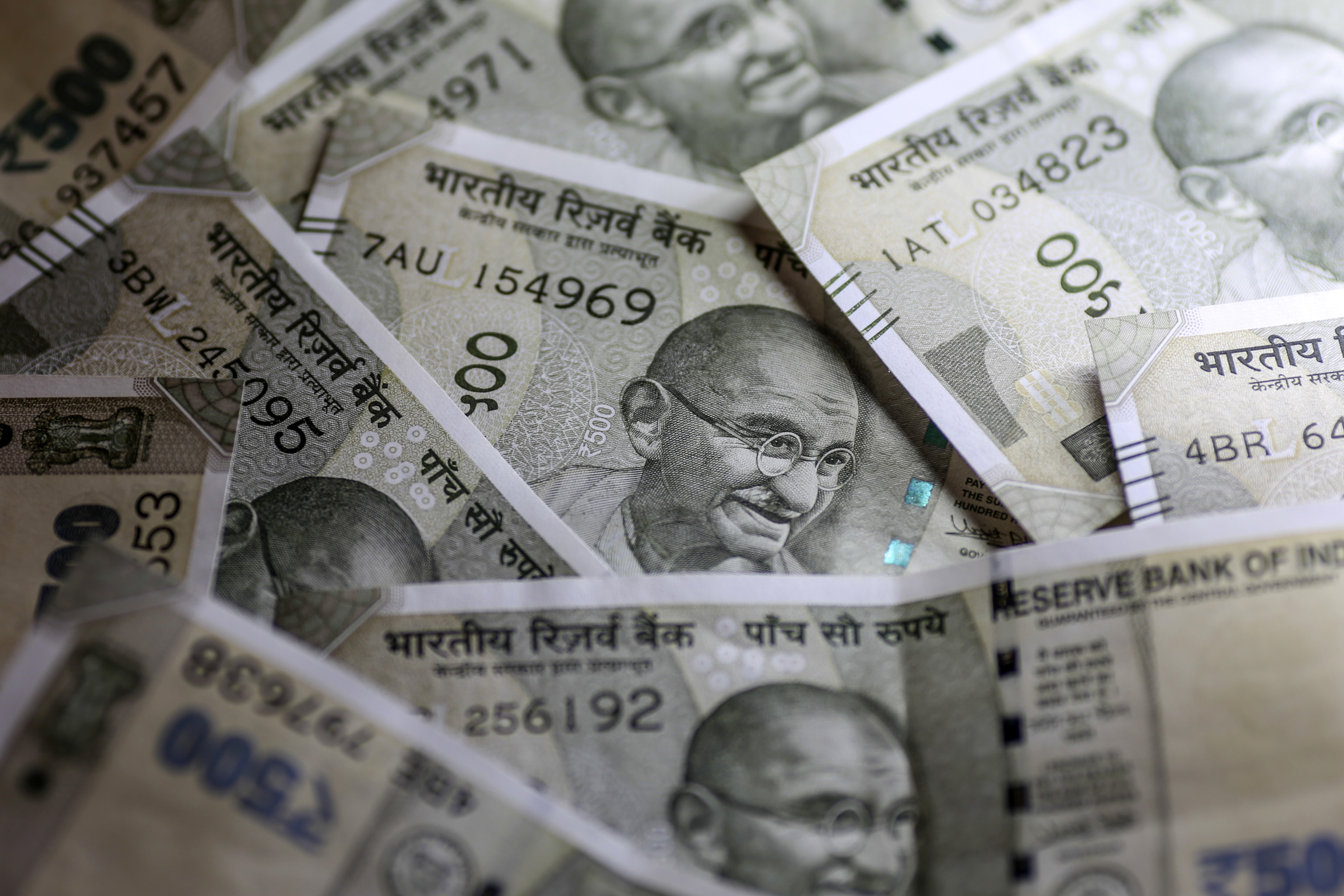
The Indian rupee strengthened to trade above 70 against the U.S. dollar for the first time in three months. The Indian currency has rebounded sharply from record lows hit in October due to falling oil prices, a return of foreign inflows, and now dovish commentary from the U.S. Federal Reserve.
On Thursday, the rupee gained 1.1 percent to close at 69.84/$. The Indian unit was the best performing currency in Asia in trade today and closed its highest level in three months. “The appreciation bias may continue if oil prices remain low but gains may be slower from here on,” said Bhaskar Panda of the Treasury Advisory Group at HDFC Bank. Panda says the next important technical level to watch is 68.85/$.
For the month so far, the rupee has gained more than 5 percent - its best monthly performance since September 2013 when the Indian unit rebounded after a series of measures were announced in the aftermath of the taper tantrum.

This time, the recovery has followed a turn in the global environment rather than any policy changes domestically.
Brent crude oil prices have fallen by 22 percent in the last one month, significantly easing fears about India's external balance. The current account deficit could settle at 2.2 percent of GDP compared to earlier estimates of 3 percent of GDP, Sanjeev Sanyal, principal economic adviser to the Government of India said in a recent interview with BloombergQuint.
The relief rally in the rupee gathered steam on Thursday after overnight comments from Federal Reserve chair Jerome Powell, which suggested that rates in the U.S. are “just below” neutral. This led investors to reassess their expectation for rate hikes in 2019. Global bond yields fell and equities rallied.
India was no different. The NSE Nifty gained 1.2 percent to close at 10,858. With risk sentiment improving, foreign flows into India could gather steam. Foreign investors have pumped in Rs 10,929 crore, reversing two months of large outflows.
“The Fed's commentary opens up the possibility that the inflows we saw in November could become larger, which will add to strength in the rupee,” said K Harihar, treasurer of FirstRand Bank. Whether the level of 70/$ holds will depend on the extent of RBI intervention to replenish its lost forex reserves earlier in the year. Harihar added that apart from regular foreign portfolio inflows, the market is also waiting to see whether one-off factors, like the money likely to come in from ArcelorMittal's bid for Essar Steel, will add to the rupee strength. That resolution plan is yet to be closed.
For the year-to-date, the rupee is now down 8.5 percent. At its record low of 74.39/$, the rupee had lost close to 14 percent.

-
Unhedged Position | Blue Wave Will Derail the AI Trade but Won't Dismantle the AI Era

The Democrats' sweep of the US Congress will see politics collide with economic forces both over the long and short term.
-
It's Time To Take The GST Council's Bet On Trust Global
Payment records can prove India's services exports, and clear, proportionate rules can bring foreign digital sellers into the tax net.
-
Opinion | India at 38: From Innovation Overperformer to Innovation Powerhouse
India now has 453 VC-backed deep science startups, 18 of them late-stage, after 117 percent growth since 2020. Laurus Labs, at USD 9.3 billion, is the most valuable deep science company in any middle-income economy outside China.
-
Navigating Energy Crossroads: S Jaishankar's Call For Diversified Supply Chains At G20 Ministerial Meeting
As geopolitical fault lines continue to test maritime trade routes and commodity flows, Jaishankar's message remains pertinent: true economic resilience requires open markets, protected transit lines, and a genuine commitment to multilateral cooperation rather than coercion.
-
Indians Are Travelling, But Not Every Journey Is A Holiday | The Week In Whys
Pilgrims, patients and working women are the real travellers, and the system hasn't quite caught up with them.
-
Getting To Work Costs Women More | The Reason Why
It is not just about women paying more than men. It is about women paying much more in cities than in villages.
-
AI Bias In Investing Cannot Be Eliminated, But It Can Be Governed
Framing is a particularly important example as identical financial information presented in terms of gains rather than losses can lead an LLM to reach a different assessment.
-
Joining The Dots | Dark Skies, Steady Diya: Why Hope Holds This Diwali
With war, a weak rupee and foreign outflows weighing on sentiment, policymakers at the NDTV World Summit and market veterans at NDTV Profit Ignite: Diwali Edition offered the same advice: stay invested and filter out the noise.
-
The Curious Case of Equitas Small Finance Bank And A CEO Who Quit For Stock
PN Vasudevan believes persistent investor concerns over a perceived conflict of interest had become a governance overhang on Equitas Small Finance Bank's stock, even as the lender improved profitability and asset quality.










