Ricoh India’s Minority Shareholders Fail to Unseat Four Directors From Board
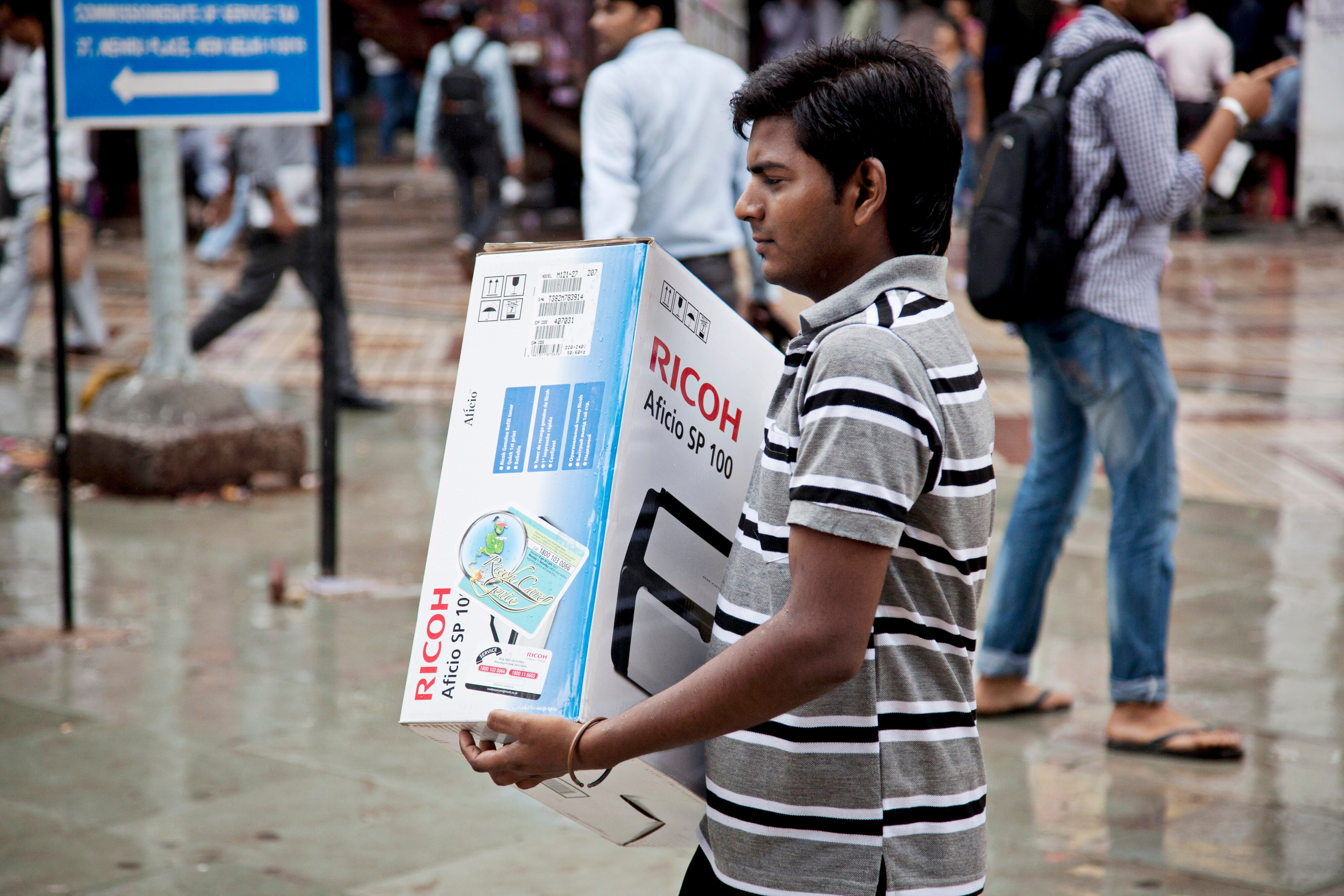
A group of 260 minority shareholders of Ricoh India Ltd. failed in their attempt to unseat four directors on the company's board. In the extraordinary general meeting called last week by the shareholders' group, the five resolutions proposed by them did not get the requisite votes.
Ricoh India is under the scanner for inconsistencies in its accounts after its auditor BSR & Co., raised an alarm over certain financial transactions. The company has failed to file quarterly earnings for three quarters since the second quarter of financial year 2016. This violation of the listing regulations prompted the Bombay Stock Exchange to suspend Ricoh India's shares from trading. In May, Ricoh India disclosed to the stock exchanges that it had filed a police complaint claiming to be a victim of fraud. In July, its Japanese parent Ricoh Company Ltd. filed a petition with the National Company Law Tribunal, against the Indian subsidiary and its officials.
As these events unfolded, a group of 260 shareholders, led by Kalpraj Damji Dharamshi, director of Dharamshi Securities Private Ltd., a member of the BSE and NSE, requisitioned an extraordinary general meeting. According to a Ricoh India filing with the stock exchange, the EGM was requisitioned to move five resolutions, unseating four current directors on the company's board and seeking to appoint an independent director to protect the interests of minority shareholders. The four directors are members of Ricoh India's audit committee and minority shareholders alleged that they ‘have failed to perform their fiduciary responsibility towards the minority shareholders of the company,' the filing added.
Together these 260 shareholders hold over 53 lakh equity shares, that is, 13.4 percent of the total voting rights. The EGM was held on August 5, and the voting results were disclosed by the company to the stock exchange on August 8. All five resolutions failed to get a majority vote.

The resolutions were defeated as the promoters of the company, who together hold 73.6 percent stake, voted against them.
Interestingly, institutional shareholders voting in the EGM backed the minority shareholders group. 100 percent of the institutional votes were in favour of the resolution to remove UP Mathur. Over 70 percent of the institutional votes were in favour of each of the resolutions to unseat the other three directors – RK Pandey, Ashish Garg and Hiroyasu Kitada. But the support was not enough as institutions hold only 0.33 percent of the company's shares.
When BloombergQuint asked the company for reasons why the promoters voted against the resolution, Ricoh India's spokesperson said in an email statement, “The audit committee members currently on board represents almost 100 years of professional experience among them, in diverse areas such as Stock exchange, Ministry of corporate affairs and in the field of Education. Since the issues first came to light, the audit committee at Ricoh India has initiated various investigations using independent third parties for further review of the areas of concerns highlighted by the auditors. The audit committee is working closely with the independent teams and management towards preparation of the full year financial results. The company has faith and confidence in its audit committee because of action taken by them and their commitment to rectify the current situation. Notwithstanding this, the removal of all of the audit committee members would leave the company in breach of its legal obligations.”

-
Where You Live Shapes How You Get To Work | The Reason Why

Two-wheelers are the most popular way to get to work in India, accounting for nearly 43% of workplace commutes.
-
High US Salaries, No Green Card Certainty: The Financial Calculation Facing Indian H-1B Families
The suspension of PERM processing at eight technology employers does not cancel existing H-1B visas. What it does is force a question many Indian families have been avoiding: is the US salary worth tying your career and family plans to one employer?
-
Unhedged Position: Can India See An Indonesia-Style Time Correction?
The Nifty is trading below levels it first clocked in 2024. Is there, then, as I have suggested in the headline, potential that the current time correction drags on painfully for the next three-five, even ten years?
-
Navigating Friction And Energy Realities: An Analysis Of Marco Rubio's October Visit To India
Occurring at a critical juncture marked by stalled trade negotiations and escalating geopolitical pressures over global energy supplies, the visit offers a profound window into modern US-India relations.
-
India Exports Capital. Why Not Export Trusteeship?
The big question, then, is whether India can build an institution that global borrowers, investors, banks, and lawyers can trust, even without an Indian connection.
-
France's Economy & Politics Are In Crisis | The Reason Why
Let's look at how the French economy and politics evolved under Nicolas Sarkozy, Franois Hollande and Emmanuel Macron.
-
You May Inherit The Business. You Must Earn Its Credibility.
Succession tests the founder's ability to share authority as much as it tests the next generation's readiness to assume it.
-
Signing Deals Is One Thing; Making Them Work Is Another | The Week In Whys
Sometimes, things don't turn out as planned. Indian companies have lost some bids to rivals, some projects won't produce until 2030.
-
FOMC Wall, PERM Suspension, Hospital Stocks | Talking Points This Week
A PERM suspension would directly affect green-card sponsorship rather than H-1B visas, so the near-term earnings impact could remain relatively limited. The key question is whether this marks a new phase in US scrutiny of Indian IT.
-
Everything, Everywhere, All At Once: Dalal Street's Week To Forget | Joining The Dots
Visa curbs, a Starlink spat and cancer drug caps: what connects this week's shocks for Indian markets









