RBI Is Working With SEBI On Addressing Retail Frenzy In Equity F&O Market, Says Das
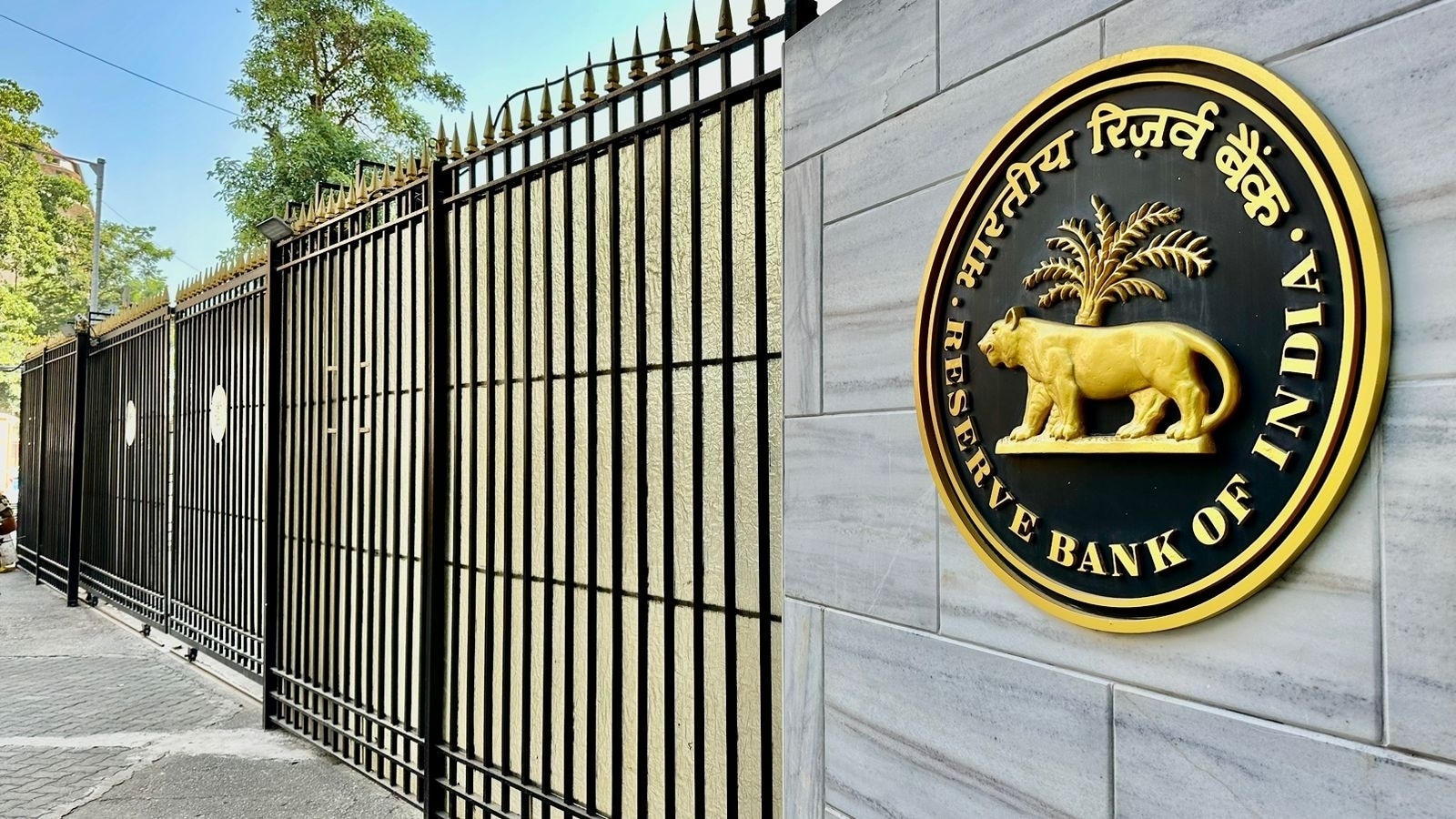
The Reserve Bank of India and the country's markets regulator, the Securities and Exchange Board of India, are monitoring the high volume of retail trading in the futures and options segment, RBI governor Shaktikanta Das said on Tuesday.
SEBI is fully seized of the matter and is taking action when necessary, he added. Both the regulators discussed the issue under the aegis of the Financial Stability and Development Council.
"An early warning group is monitoring the issue. Currently, options and futures volumes are perhaps larger than the nominal GDP of the country. We have discussed this matter with SEBI... they will deal with it," Das said at ET Now's Leadership Dialogues 2024 event.
Having said that, all the parameters and indicators of the Indian economy and financial sector look stable at the moment, he added.
Trading activity in the equity derivatives segment has spiked in recent years due to huge retail participation. According to National Stock Exchange data, turnover volumes in derivatives grew exponentially over the last five years to Rs 79,927 lakh crore at the end of March.
This led to concerns from regulators, with SEBI mulling higher margins for selling option contracts and detailed disclosures for participants willing to trade in the derivatives segment.
On the credit market, Das mentioned that an increase in risk weight on unsecured loans and banks' lending to non-bank financial companies were "pre-emptive."
"...wherever we saw some signs of possible stress coming. There was nothing alarming when we took those actions. Our conclusion was that if we leave it unattended, it could have led to a possible crisis at a future date," Das said.
Further, Das underlined "slow moderation in inflation," which is keeping the monetary policy committee away from changing their stance or hiking the repo rate. The six-member panel kept its inflation forecast for FY25 at 4.5% in its latest monetary policy.
Food inflation is a concern, he said, adding that average food inflation has been 8% in the last 6-7 months. This is slowing down the disinflation of the headline number of 4.75%, Das said.
"Any form of adventurism should be shunned. It is better to stay on course and be watchful and play ball by ball," he added.
The central bank is maintaining a growth-inflation balance, Das said. "If you expect faster moderation of inflation, then we have to take much more drastic measures in terms of stance or rates. But we have to also weigh the growth sacrifice we would be making for the economy," he added.
On growth, the RBI expects economic growth momentum to be sustained. However, there are possible downside risks to growth in terms of geopolitical conflicts and rising capital flow fragmentation, Das said.
The RBI pegged India's GDP growth in FY25 at 7.2%.

-
Midterm Rally Lasted A Day. The Hard Reality Of A Divided US May Last Two Years | Opinion

Between a contested AI boom, a debt ceiling that arrives in 2027 and a president with every incentive to act alone, the next two years may prove more volatile than the first day's rally suggests.
-
Blue Wave Will Derail the AI Trade but Won't Dismantle the AI Era | Unhedged Position
The Democrats' sweep of the US Congress will see politics collide with economic forces both over the long and short term.
-
It's Time To Take The GST Council's Bet On Trust Global
Payment records can prove India's services exports, and clear, proportionate rules can bring foreign digital sellers into the tax net.
-
Opinion | India at 38: From Innovation Overperformer to Innovation Powerhouse
India now has 453 VC-backed deep science startups, 18 of them late-stage, after 117 percent growth since 2020. Laurus Labs, at USD 9.3 billion, is the most valuable deep science company in any middle-income economy outside China.
-
Navigating Energy Crossroads: S Jaishankar's Call For Diversified Supply Chains At G20 Ministerial Meeting
As geopolitical fault lines continue to test maritime trade routes and commodity flows, Jaishankar's message remains pertinent: true economic resilience requires open markets, protected transit lines, and a genuine commitment to multilateral cooperation rather than coercion.
-
Indians Are Travelling, But Not Every Journey Is A Holiday | The Week In Whys
Pilgrims, patients and working women are the real travellers, and the system hasn't quite caught up with them.
-
Getting To Work Costs Women More | The Reason Why
It is not just about women paying more than men. It is about women paying much more in cities than in villages.
-
AI Bias In Investing Cannot Be Eliminated, But It Can Be Governed
Framing is a particularly important example as identical financial information presented in terms of gains rather than losses can lead an LLM to reach a different assessment.
-
Joining The Dots | Dark Skies, Steady Diya: Why Hope Holds This Diwali
With war, a weak rupee and foreign outflows weighing on sentiment, policymakers at the NDTV World Summit and market veterans at NDTV Profit Ignite: Diwali Edition offered the same advice: stay invested and filter out the noise.









