RBI Announces Norms For Co-Origination Of Priority Sector Loans By Banks, NBFCs
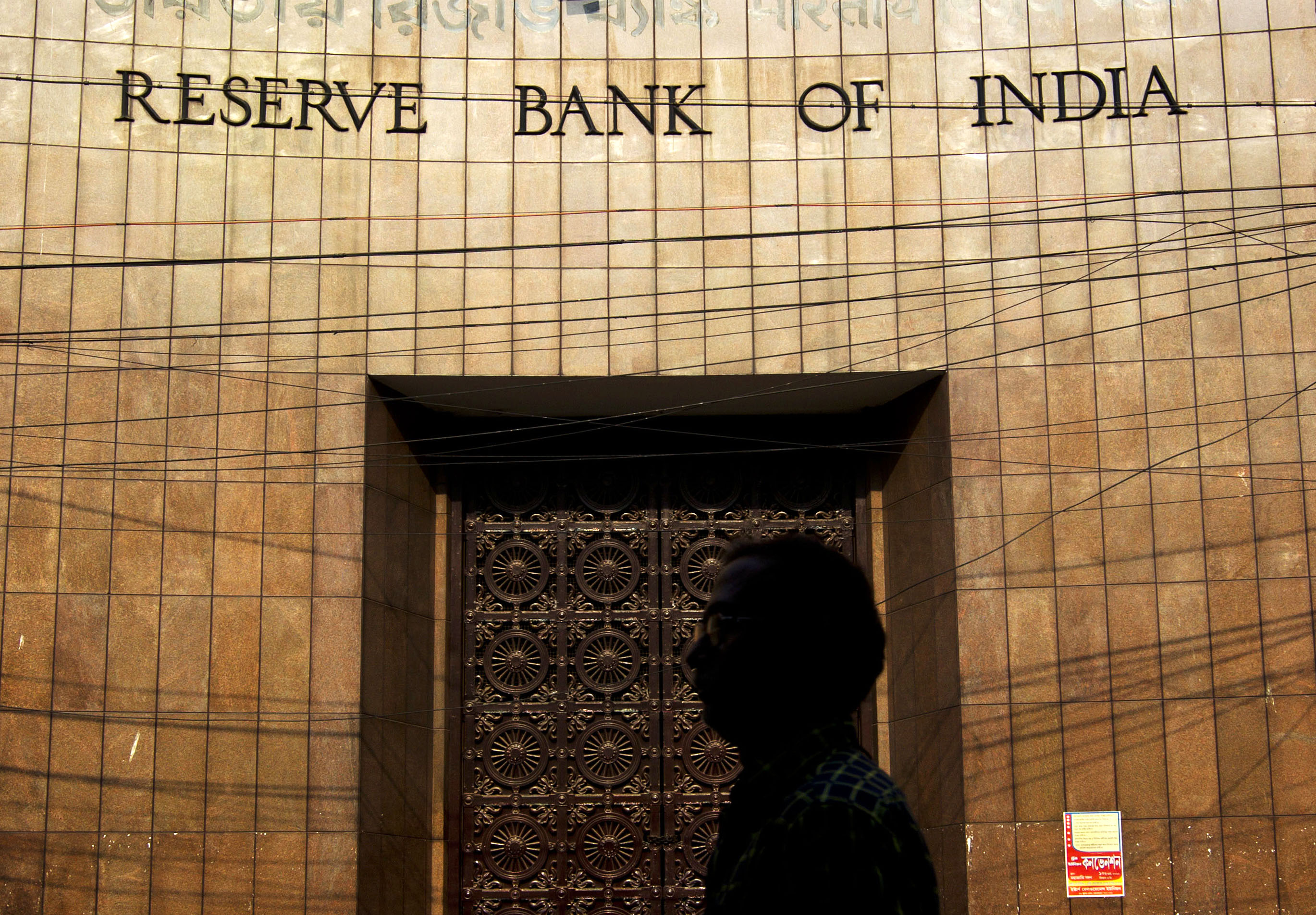
The Reserve Bank of India today announced guidelines for co-origination of priority sector loans by banks and NBFCs to enhance flow of funds to the sector at competitive rates.
As per the norms issued by the RBI for all scheduled commercial banks (excluding regional rural banks and small finance banks) and non-banking financial companies, the sharing of risks and rewards between these entities should be in a manner that enables appropriate alignment of respective business objectives, as per their mutual agreement.
The co-origination arrangement should entail joint contribution of credit by both lenders at the facility level.
Based on the respective interest rates and proportion of risk sharing, a single blended interest rate should be offered to the ultimate borrower in case of fixed rate loans. In the scenario of floating interest rates, a weighted average of the benchmark interest rates in proportion to the respective loan contribution, should be offered.The Reserve Bank Of India.
It is envisaged that the benefit of low-cost funds from banks and lower cost of operations of NBFCs would be passed on to the ultimate beneficiary through the blended rate/weighted average rate, it said.
"In this regard, banks/NBFCs shall provide all the information like loan details including interest rate and other charges, details of risk sharing arrangement, etc., as and when called for by the Reserve Bank of India," it said.
As per the co-origination model whereby bank is not financing micro-finance institutions and NBFCs for on-lending to ultimate borrower rather both of them join at each under-writing and loan level thereby sharing the loan amount in agreed percentage.
"The bank can claim priority sector status in respect of its share of credit while engaging in the co-origination arrangement. However, the priority sector assets on the bank's books should at all times be without recourse to the NBFC. Further, the loans extended by foreign banks under the co-origination framework shall be restricted only to loans qualifying as priority sector assets," it said.
With regard to grievance redressal, it said, any complaint registered by a borrower with the NBFC/bank shall also be shared with them; in case the complaint is not resolved within 30 days, the borrower would have the option to escalate the same with the concerned Banking Ombudsman/Ombudsman for NBFCs.

-
Opinion | India at 38: From Innovation Overperformer to Innovation Powerhouse

India now has 453 VC-backed deep science startups, 18 of them late-stage, after 117 percent growth since 2020. Laurus Labs, at USD 9.3 billion, is the most valuable deep science company in any middle-income economy outside China.
-
Navigating Energy Crossroads: S Jaishankar's Call For Diversified Supply Chains At G20 Ministerial Meeting
As geopolitical fault lines continue to test maritime trade routes and commodity flows, Jaishankar's message remains pertinent: true economic resilience requires open markets, protected transit lines, and a genuine commitment to multilateral cooperation rather than coercion.
-
Indians Are Travelling, But Not Every Journey Is A Holiday | The Week In Whys
Pilgrims, patients and working women are the real travellers, and the system hasn't quite caught up with them.
-
Getting To Work Costs Women More | The Reason Why
It is not just about women paying more than men. It is about women paying much more in cities than in villages.
-
AI Bias In Investing Cannot Be Eliminated, But It Can Be Governed
Framing is a particularly important example as identical financial information presented in terms of gains rather than losses can lead an LLM to reach a different assessment.
-
Joining The Dots | Dark Skies, Steady Diya: Why Hope Holds This Diwali
With war, a weak rupee and foreign outflows weighing on sentiment, policymakers at the NDTV World Summit and market veterans at NDTV Profit Ignite: Diwali Edition offered the same advice: stay invested and filter out the noise.
-
The Curious Case of Equitas Small Finance Bank And A CEO Who Quit For Stock
PN Vasudevan believes persistent investor concerns over a perceived conflict of interest had become a governance overhang on Equitas Small Finance Bank's stock, even as the lender improved profitability and asset quality.
-
Talking Points This Week: AI Cash Burn, A Tiger Comeback And An India That Still Finds Its Own Path
India is not immune to higher oil or tighter global liquidity, yet its earnings base is broader, its domestic policy levers are still available.
-
Foreign Investors Own Half Of HDFC Bank and ICICI Bank. An LTCG Cut Could Matter Most Here
Foreign portfolio investors have US$115 billion parked in HDFC Bank, ICICI Bank. If the government cuts long-term capital gains tax, Jefferies says returning foreign money could land here first.










