Q4 Results: Tata Power Looks To Divest Foreign Businesses, Focus On India
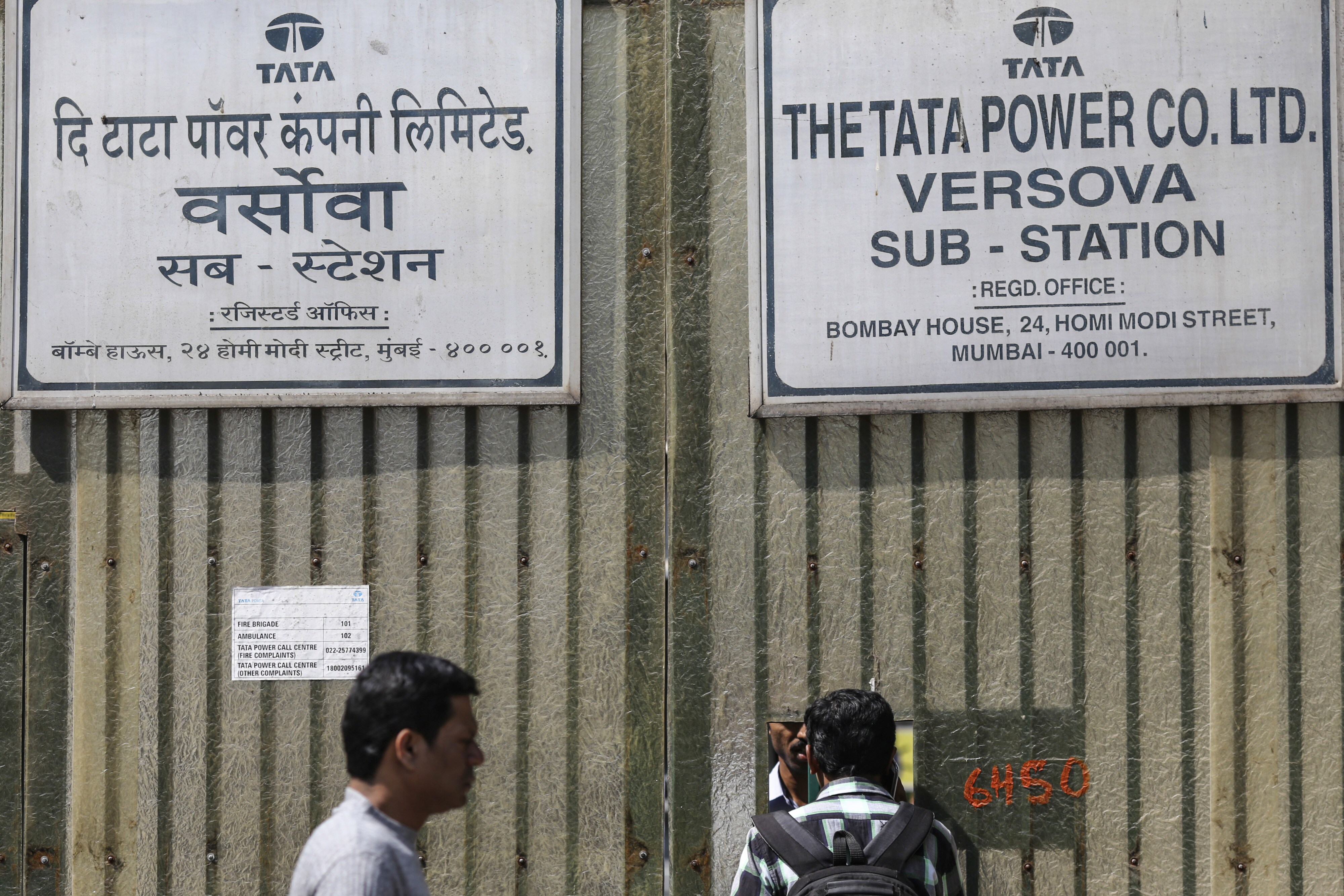
Tata Power Company Ltd. plans to divest its non-core businesses in South Africa, Zambia and some parts of Georgia to focus on India, its Managing Director and Chief Executive Officer Praveer Sinha said.
The proceeds from the sale of international investments would be used for growth within the country, Sinha told BloombergQuint in a post-earnings interaction.
Profit of India's largest power utility for the March quarter declined steeply, hurt by the base effect in the year-ago quarter.
Earnings Highlights (YoY)
- Net profit slumped 95.5 percent to Rs 57.6 crore.
- Revenue rose marginally to Rs 7,230.2 crore from Rs 7,216.9 crore.
- Ebitda fell 1.5 percent to Rs 1,348.7 crore.
- Margin contracted 30 basis points to 18.7 percent.
- Exceptional gain in base quarter worth Rs 1,886.7 crore due to reversal of impairment of Mundra plant.
Sinha said the company performed exceptionally well on an operational basis. “It's only the exceptional items, that are more of the adjustments taking place on an annual basis, where the challenges were seen.”
Focus On Renewable Energy
Tata Power expects to expand its current portfolio in the renewable energy business by 6 to 10 times in five to six years, Sinha said. The company, he said, would bid for up to 20,000 megawatt in capacity in the next three to six months.
Renewable segment has grown in the past year, Sinha said, adding that the company has already added 200 MW capacity to its business, while another 400 MW capacity is under implementation. “We expect the benefits of this to come next year onwards.”
Renewable business will be the mainstay for the company.Praveer Sinha, MD & CEO, Tata Power
The company is also investing in rooftop solar programmes and has expanded to 18 cities till March. It expects to become a 100-city rooftop company by the end of this financial year, according to Sinha.
Mundra Project Update
- Gujarat government has agreed to modify power purchase agreement.
- Expects to receive a final decision from Central Electricity Regulatory Commission in the next few months.
Watch the full interview here:

-
Talking Points This Week: Tech Nerves, FII Buying, And A Faraway Banking Shock

The global markets are not shining this Diwali. The exception in the large markets is, India.
-
Midterm Rally Lasted A Day. The Hard Reality Of A Divided US May Last Two Years | Opinion
Between a contested AI boom, a debt ceiling that arrives in 2027 and a president with every incentive to act alone, the next two years may prove more volatile than the first day's rally suggests.
-
Blue Wave Will Derail the AI Trade but Won't Dismantle the AI Era | Unhedged Position
The Democrats' sweep of the US Congress will see politics collide with economic forces both over the long and short term.
-
It's Time To Take The GST Council's Bet On Trust Global
Payment records can prove India's services exports, and clear, proportionate rules can bring foreign digital sellers into the tax net.
-
Opinion | India at 38: From Innovation Overperformer to Innovation Powerhouse
India now has 453 VC-backed deep science startups, 18 of them late-stage, after 117 percent growth since 2020. Laurus Labs, at USD 9.3 billion, is the most valuable deep science company in any middle-income economy outside China.
-
Navigating Energy Crossroads: S Jaishankar's Call For Diversified Supply Chains At G20 Ministerial Meeting
As geopolitical fault lines continue to test maritime trade routes and commodity flows, Jaishankar's message remains pertinent: true economic resilience requires open markets, protected transit lines, and a genuine commitment to multilateral cooperation rather than coercion.
-
Indians Are Travelling, But Not Every Journey Is A Holiday | The Week In Whys
Pilgrims, patients and working women are the real travellers, and the system hasn't quite caught up with them.
-
Getting To Work Costs Women More | The Reason Why
It is not just about women paying more than men. It is about women paying much more in cities than in villages.
-
AI Bias In Investing Cannot Be Eliminated, But It Can Be Governed
Framing is a particularly important example as identical financial information presented in terms of gains rather than losses can lead an LLM to reach a different assessment.









