PacWest, Western Alliance Lead Regional Bank Stock Rout
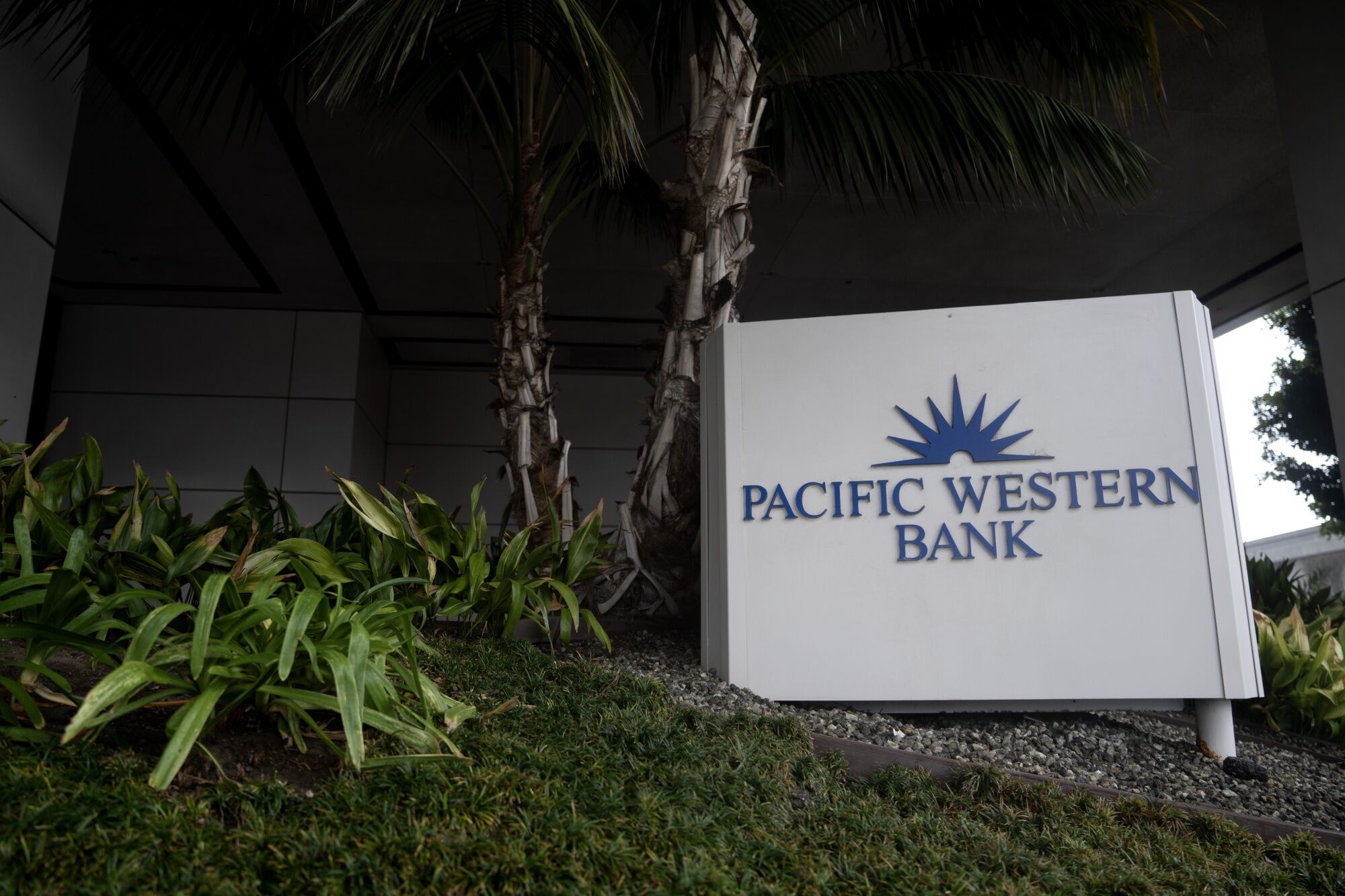
(Bloomberg) -- PacWest Bancorp and Western Alliance Bancorp each slumped more than 25% Tuesday, leading a renewed selloff in regional lenders as investors continued to gauge the health of the industry after the second-largest US bank failure ever.
Trading in shares of both banks were halted for volatility, amid the broader slide that took the KBW Regional Banking Index down as much as 6.1%, the most intraday since March 17. Comerica Inc. and Zions Bancorp. each fell more than 10%, while Charles Schwab Corp., the brokerage with a bank arm that's come under pressure in the wake of the regional banking tumult, sank 5.3%.
The sector's retreat comes a day after First Republic Bank's seizure and sale to JPMorgan Chase & Co., and underscores investors' ongoing concerns about competitors of the four banks that have collapsed since early March. The slide has now taken the regional banking gauge down 28% this year.
JPMorgan Chase & Co. Chief Executive Officer Jamie Dimon was quick to proclaim the current leg of the banking crisis “over” during a conference call discussing his bank's acquisition of First Republic on Monday. He recommended everyone “just take a deep breath” even as higher interest rates and stress on the commercial real estate industry pose a threat to the banking sector.

“While FRC resolution is a good sign, we haven't had a clear solution to the lack of confidence across regional banks and may need a more holistic response from regulators or the government,” Bloomberg Intelligence analyst Herman Chan said in a message.
Western Alliance and PacWest are among a number of regional banks investors zeroed in after Silvergate Capital Corp., SVB Financial Group and Signature Bank collapsed in quick succession and demonstrated the threat posed to commercial lenders by asset-liability mismatches and uninsured deposits.
But both companies posted earnings results in April that appeared to appease investors, with both firms indicating their deposit bases had stabilized or recovered after initial outflows in March.
“It looks like JPMorgan's deal for FRC gave us one day of calm for the banking sector. Regional banking stocks are still looking vulnerable until we see clear signs that emergency lending programs can go away,” said Ed Moya, Oanda senior market analyst. “Wall Street is wondering which bank could be the next one that needs a rescue and that is making it easy to pick on the other regional banks.”
More stories like this are available on bloomberg.com
©2023 Bloomberg L.P.

-
Ten Things I Learnt This Samvat

Patience can be a trap. Cheap stocks can stay cheap. Leverage can wipe you out. What did Samvat 2082 teach us? Niraj Shah writes on 10 lessons from the year gone by.
-
Talking Points This Week: Tech Nerves, FII Buying, And A Faraway Banking Shock
The global markets are not shining this Diwali. The exception in the large markets is, India.
-
Midterm Rally Lasted A Day. The Hard Reality Of A Divided US May Last Two Years | Opinion
Between a contested AI boom, a debt ceiling that arrives in 2027 and a president with every incentive to act alone, the next two years may prove more volatile than the first day's rally suggests.
-
Blue Wave Will Derail the AI Trade but Won't Dismantle the AI Era | Unhedged Position
The Democrats' sweep of the US Congress will see politics collide with economic forces both over the long and short term.
-
It's Time To Take The GST Council's Bet On Trust Global
Payment records can prove India's services exports, and clear, proportionate rules can bring foreign digital sellers into the tax net.
-
Opinion | India at 38: From Innovation Overperformer to Innovation Powerhouse
India now has 453 VC-backed deep science startups, 18 of them late-stage, after 117 percent growth since 2020. Laurus Labs, at USD 9.3 billion, is the most valuable deep science company in any middle-income economy outside China.
-
Navigating Energy Crossroads: S Jaishankar's Call For Diversified Supply Chains At G20 Ministerial Meeting
As geopolitical fault lines continue to test maritime trade routes and commodity flows, Jaishankar's message remains pertinent: true economic resilience requires open markets, protected transit lines, and a genuine commitment to multilateral cooperation rather than coercion.
-
Indians Are Travelling, But Not Every Journey Is A Holiday | The Week In Whys
Pilgrims, patients and working women are the real travellers, and the system hasn't quite caught up with them.
-
Getting To Work Costs Women More | The Reason Why
It is not just about women paying more than men. It is about women paying much more in cities than in villages.









