Oil Prices Steady As Report Points To Big Drop In US Stockpiles
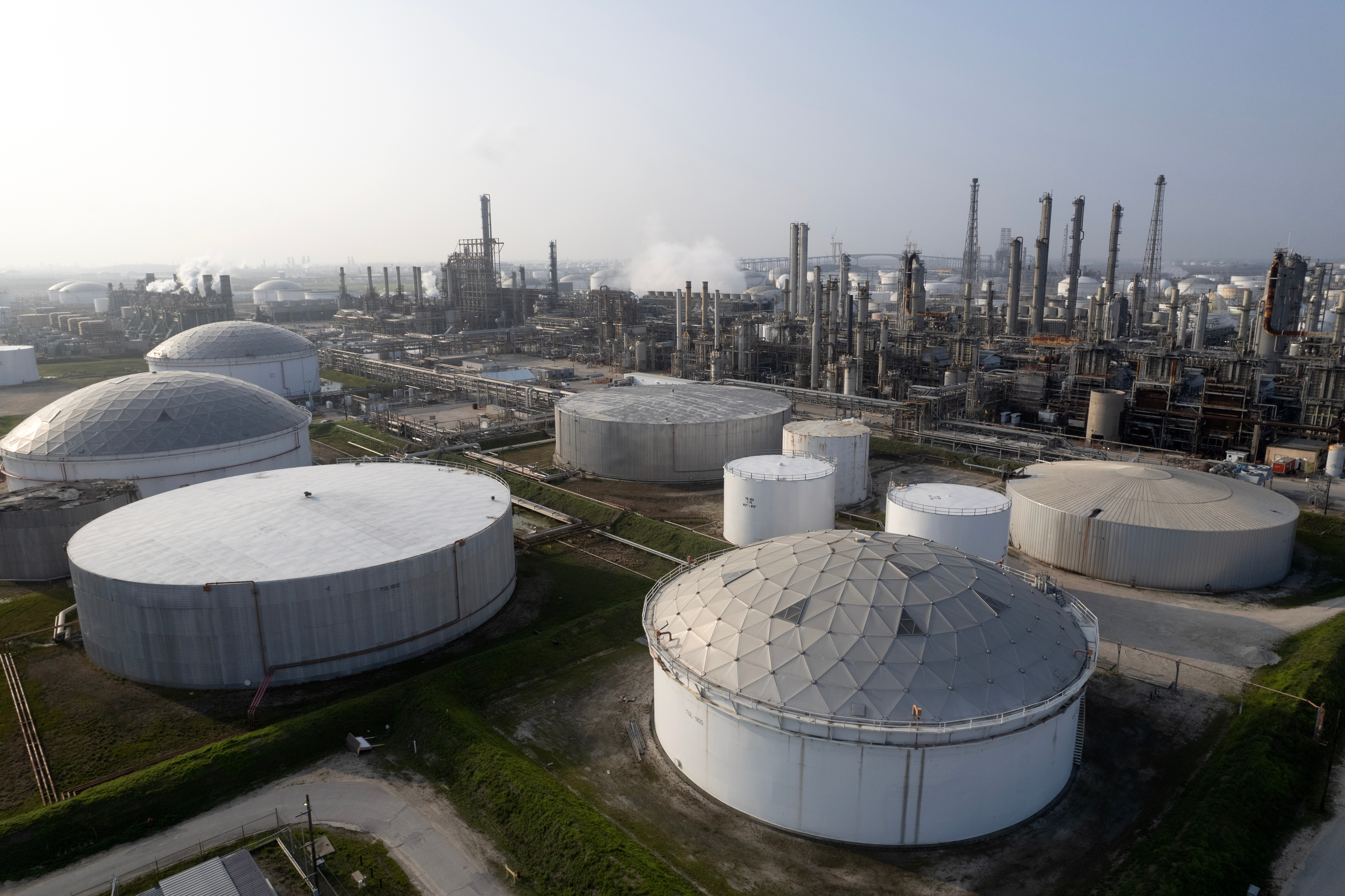
Oil held steady as an industry report signaled a large decline in US crude stockpiles, while the market weighed the prospect of a Russia-Ukraine ceasefire in the Black Sea.
Brent traded above $73 a barrel after closing little changed on Tuesday, while West Texas Intermediate was near $69. US inventories fell by 4.6 million barrels last week, according to the American Petroleum Institute, which would be the biggest draw since November if confirmed by official data on Wednesday.

The US, meanwhile, said Russia and Ukraine had agreed to a truce “to ensure safe navigation” in the Black Sea, even as the Kremlin said its involvement would depend on preconditions including sanctions relief. Some of the world's top energy traders said they would likely return to Russia if penalties end.
“Any scenario where we see a lifting in sanctions shouldn't lead to a significant increase in oil supply, given that Russia has been successful in diverting oil flows over the last several years,” said Warren Patterson, the head of commodities strategy for ING Groep NV in Singapore.
Oil is still down more than 10% since this year's peak in mid-January as tariffs from the Trump administration and retaliatory measures from targeted nations inject volatility into global markets. More levies are coming next week, including a duty on buyers of Venezuelan crude and gas.
Traders have been snapping up bullish oil options to hedge against the risk that US sanctions will cause prices to spike. President Donald Trump has also vowed “maximum pressure” against Iran to curb its crude exports.
Prices:
Brent for May settlement was steady at $73.15 at 1:01 p.m. in Singapore.
WTI for May delivery was 0.2% higher at $69.13 a barrel.

-
Talking Points This Week: Tech Nerves, FII Buying, And A Faraway Banking Shock

The global markets are not shining this Diwali. The exception in the large markets is, India.
-
Midterm Rally Lasted A Day. The Hard Reality Of A Divided US May Last Two Years | Opinion
Between a contested AI boom, a debt ceiling that arrives in 2027 and a president with every incentive to act alone, the next two years may prove more volatile than the first day's rally suggests.
-
Blue Wave Will Derail the AI Trade but Won't Dismantle the AI Era | Unhedged Position
The Democrats' sweep of the US Congress will see politics collide with economic forces both over the long and short term.
-
It's Time To Take The GST Council's Bet On Trust Global
Payment records can prove India's services exports, and clear, proportionate rules can bring foreign digital sellers into the tax net.
-
Opinion | India at 38: From Innovation Overperformer to Innovation Powerhouse
India now has 453 VC-backed deep science startups, 18 of them late-stage, after 117 percent growth since 2020. Laurus Labs, at USD 9.3 billion, is the most valuable deep science company in any middle-income economy outside China.
-
Navigating Energy Crossroads: S Jaishankar's Call For Diversified Supply Chains At G20 Ministerial Meeting
As geopolitical fault lines continue to test maritime trade routes and commodity flows, Jaishankar's message remains pertinent: true economic resilience requires open markets, protected transit lines, and a genuine commitment to multilateral cooperation rather than coercion.
-
Indians Are Travelling, But Not Every Journey Is A Holiday | The Week In Whys
Pilgrims, patients and working women are the real travellers, and the system hasn't quite caught up with them.
-
Getting To Work Costs Women More | The Reason Why
It is not just about women paying more than men. It is about women paying much more in cities than in villages.
-
AI Bias In Investing Cannot Be Eliminated, But It Can Be Governed
Framing is a particularly important example as identical financial information presented in terms of gains rather than losses can lead an LLM to reach a different assessment.









