NTPC To Buy State-Run Peers Neepco, THDCIL For Rs 11,500 Crore
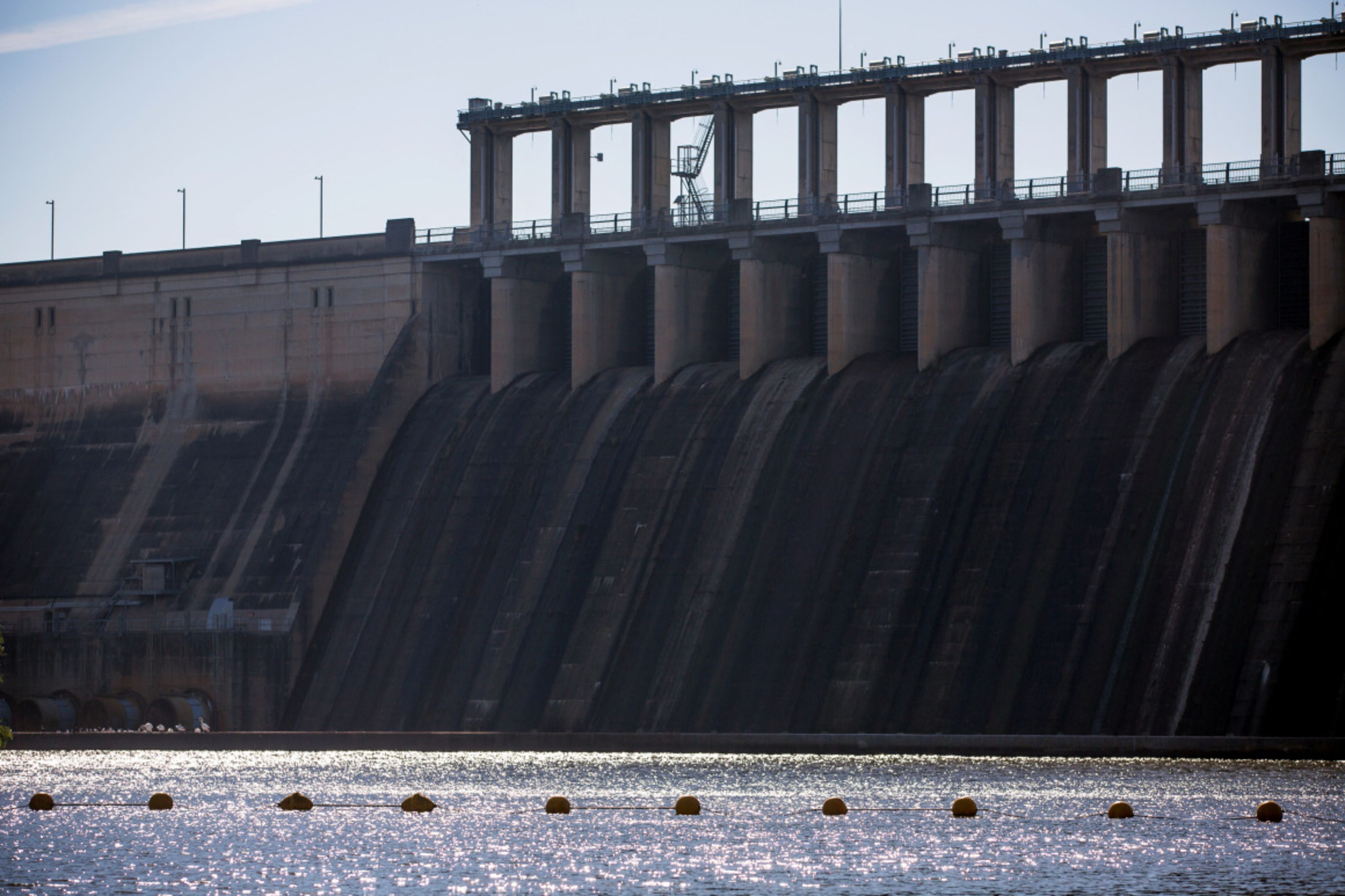
NTPC Ltd. agreed to buy controlling stakes in two state-owned hydel electricity producers—North Eastern Electric Power Corporation Ltd. and Tehri Hydro Development Corporation India Ltd.—adding a combined Rs 11,500 crore to the divestment kitty even as the government stares at a budget deficit.
India's largest power producer will acquire 100 percent in Neepco for Rs 4,000 crore and 75 percent in THDCIL for Rs 7,500 crore by March 31, according to an exchange filing by state-run NTPC.
India revised its divestment target for 2019-20 to Rs 65,000 crore from Rs 1.05 lakh crore after it could not complete the ambitious privatisation of some state-run firms. It has so far garnered Rs 34,845 crore through stake sales, the government data showed. To be sure, NTPC's buyout is similar to Oil and Natural Gas Corporation Ltd.'s acquisition of refiner Hindustan Petroleum Corporation Ltd. that helped the government beat the divestment target in FY18.
The government owns 51 percent stake in NTPC, 100 percent in Neepco and 75 percent stake in THDCIL, while the rest held with the Uttar Pradesh government.
The Cabinet Committee on Economic Affairs approved the NTPC's buyout of state-owned peers in November and NTPC's board approved the deal on Jan. 27. Approvals by the Securities and Exchange Board of India and the Competition Commission of India followed in February.
NTPC will acquire 360 crore shares of Neepco at Rs 11.08 apiece held by the central government and its nominees, and 2.73 crore shares of THDCIL at Rs 2,746.31 per share, it said in exchange filing.
Neepco's capacity will rise by 600 MW after the Kamseng Hydroelectric Project gets commissioned, it said in a statement. For THDCIL, a project with aggregate capacity of 2,838 MW, is under various stages of implementation.
The acquisition would give NTPC a toehold in the renewables segment with 5 gigawatt of generation capacity, of which 3 GW is operational, Swarnim Maheshwari, analyst at Edelweiss, wrote in a note. The project would be value accretive if the consideration is more than Rs 10,000 crore, as per base case scenario, he said.
Rupesh Sankhe, vice president of research (power and renewables) at Elara Capital, told BloombergQuint that the acquisition, at Rs 11,500 crore, is below the combined book value of THDCIL and Neepco at Rs 15,000 crore. “The deal is at a 25 percent discount to the combined net worth (of the two companies) and looks reasonable considering its return on equity and price-to-earnings ratio of 9.3 times for financial year 2019.”

-
Talking Points This Week: Tech Nerves, FII Buying, And A Faraway Banking Shock

The global markets are not shining this Diwali. The exception in the large markets is, India.
-
Midterm Rally Lasted A Day. The Hard Reality Of A Divided US May Last Two Years | Opinion
Between a contested AI boom, a debt ceiling that arrives in 2027 and a president with every incentive to act alone, the next two years may prove more volatile than the first day's rally suggests.
-
Blue Wave Will Derail the AI Trade but Won't Dismantle the AI Era | Unhedged Position
The Democrats' sweep of the US Congress will see politics collide with economic forces both over the long and short term.
-
It's Time To Take The GST Council's Bet On Trust Global
Payment records can prove India's services exports, and clear, proportionate rules can bring foreign digital sellers into the tax net.
-
Opinion | India at 38: From Innovation Overperformer to Innovation Powerhouse
India now has 453 VC-backed deep science startups, 18 of them late-stage, after 117 percent growth since 2020. Laurus Labs, at USD 9.3 billion, is the most valuable deep science company in any middle-income economy outside China.
-
Navigating Energy Crossroads: S Jaishankar's Call For Diversified Supply Chains At G20 Ministerial Meeting
As geopolitical fault lines continue to test maritime trade routes and commodity flows, Jaishankar's message remains pertinent: true economic resilience requires open markets, protected transit lines, and a genuine commitment to multilateral cooperation rather than coercion.
-
Indians Are Travelling, But Not Every Journey Is A Holiday | The Week In Whys
Pilgrims, patients and working women are the real travellers, and the system hasn't quite caught up with them.
-
Getting To Work Costs Women More | The Reason Why
It is not just about women paying more than men. It is about women paying much more in cities than in villages.
-
AI Bias In Investing Cannot Be Eliminated, But It Can Be Governed
Framing is a particularly important example as identical financial information presented in terms of gains rather than losses can lead an LLM to reach a different assessment.









