NSE Hits 1 Lakh Shareholders, Rs 5 Lakh Market Cap — But IPO Still Faces Long Road
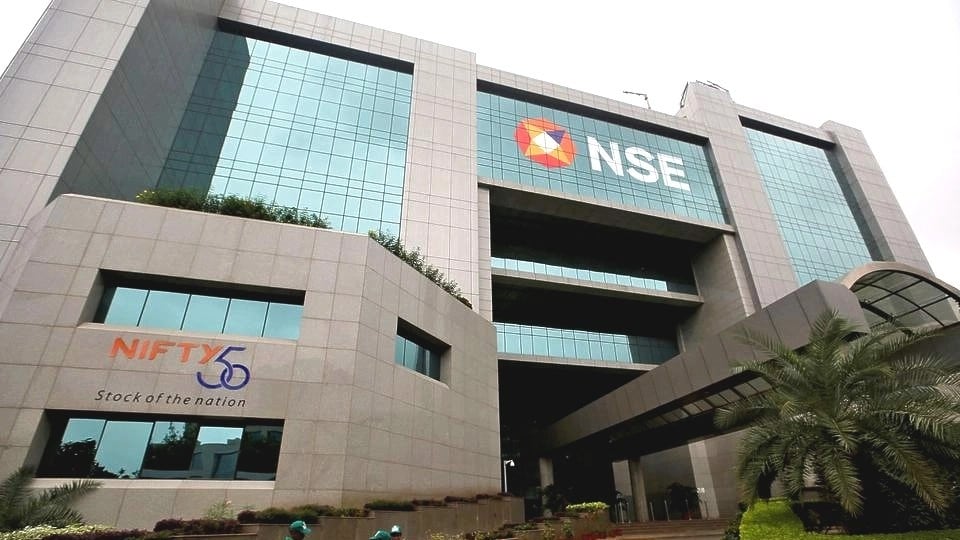
National Stock Exchange has reached 1 lakh shareholders, but many remain worried about the much-awaited IPO, people privy to the matter told NDTV Profit.
Additionally, the exchange now has a market cap of approximately Rs 5 lakh crore, becoming the largest unlisted company in the country. Meanwhile, a significant 31% stake in the company is currently held by public sector undertakings.
Several of SEBI's queries reportedly touched upon areas where the regulator does not currently have specific rules in place—for instance, restrictions on stock exchanges owning clearing corporations. In such cases, compliance is being worked out through clarificatory notes and risk disclosures in the DRHP, they added.
Despite this progress, the road to listing remains long. Even if SEBI grants approval soon, the listing process is expected to take at least a year, even under an accelerated timeline, one of the people quoted above mentioned.
SEBI had previously flagged a number of potential shortcomings with the bourse's IPO in a detailed letter, according to senior officials. The letter was sent at the end of February, coinciding with the conclusion of Madhabi Puri Buch's tenure as SEBI's chairperson.
In its letter, the regulator had given the NSE 24 months to comply with its advice, which included concerns for the exchange's internal processes, governance and more.
The regulator had advised NSE to pause the launch of the maiden book build offer by a year or two, until it addressed the concerns at hand. However, industry sources are of the belief that certain issues raised fall outside SEBI's purview and are unrelated to the IPO.
The exchange had filed its IPO prospectus back in 2016.
In a letter dated Nov. 21, 2016, the markets regulator approved the listing of equity shares on a recognised stock exchange, contingent upon compliance with applicable regulations and SEBI circulars. The offer received approval from NSE's Board of Directors and shareholders through resolutions passed on Oct. 4, 2016, and Nov. 10, 2016, respectively.
During that period, NSE, its directors, and its group companies were not barred from accessing or operating in capital markets by SEBI or any other authorities.
However, in a 2019 order, SEBI barred NSE from accessing the securities market for six months due to complaints related to its co-location facilities. Although the Securities Appellate Tribunal modified financial penalties in January 2023, it upheld the market access restriction.
Subsequently, NSE's 2022-2023 annual report emphasised that the six-month prohibition period had ended and that it awaited SEBI's further approval for listing. News articles in December 2023 suggested SEBI had imposed additional conditions for NSE's IPO approval, including maintaining a glitch-free year, enhancing technological infrastructure, improving corporate governance, and resolving pending legal matters.
However, the NSE colocation case was settled in October 2024 for a whopping amount of Rs 643 crore.

-
Where You Live Shapes How You Get To Work | The Reason Why

Two-wheelers are the most popular way to get to work in India, accounting for nearly 43% of workplace commutes.
-
High US Salaries, No Green Card Certainty: The Financial Calculation Facing Indian H-1B Families
The suspension of PERM processing at eight technology employers does not cancel existing H-1B visas. What it does is force a question many Indian families have been avoiding: is the US salary worth tying your career and family plans to one employer?
-
Unhedged Position: Can India See An Indonesia-Style Time Correction?
The Nifty is trading below levels it first clocked in 2024. Is there, then, as I have suggested in the headline, potential that the current time correction drags on painfully for the next three-five, even ten years?
-
Navigating Friction And Energy Realities: An Analysis Of Marco Rubio's October Visit To India
Occurring at a critical juncture marked by stalled trade negotiations and escalating geopolitical pressures over global energy supplies, the visit offers a profound window into modern US-India relations.
-
India Exports Capital. Why Not Export Trusteeship?
The big question, then, is whether India can build an institution that global borrowers, investors, banks, and lawyers can trust, even without an Indian connection.
-
France's Economy & Politics Are In Crisis | The Reason Why
Let's look at how the French economy and politics evolved under Nicolas Sarkozy, Franois Hollande and Emmanuel Macron.
-
You May Inherit The Business. You Must Earn Its Credibility.
Succession tests the founder's ability to share authority as much as it tests the next generation's readiness to assume it.
-
Signing Deals Is One Thing; Making Them Work Is Another | The Week In Whys
Sometimes, things don't turn out as planned. Indian companies have lost some bids to rivals, some projects won't produce until 2030.
-
FOMC Wall, PERM Suspension, Hospital Stocks | Talking Points This Week
A PERM suspension would directly affect green-card sponsorship rather than H-1B visas, so the near-term earnings impact could remain relatively limited. The key question is whether this marks a new phase in US scrutiny of Indian IT.
-
Everything, Everywhere, All At Once: Dalal Street's Week To Forget | Joining The Dots
Visa curbs, a Starlink spat and cancer drug caps: what connects this week's shocks for Indian markets









