Oil Drops Below $90 On Macroeconomic Gloom, High Interest Rates
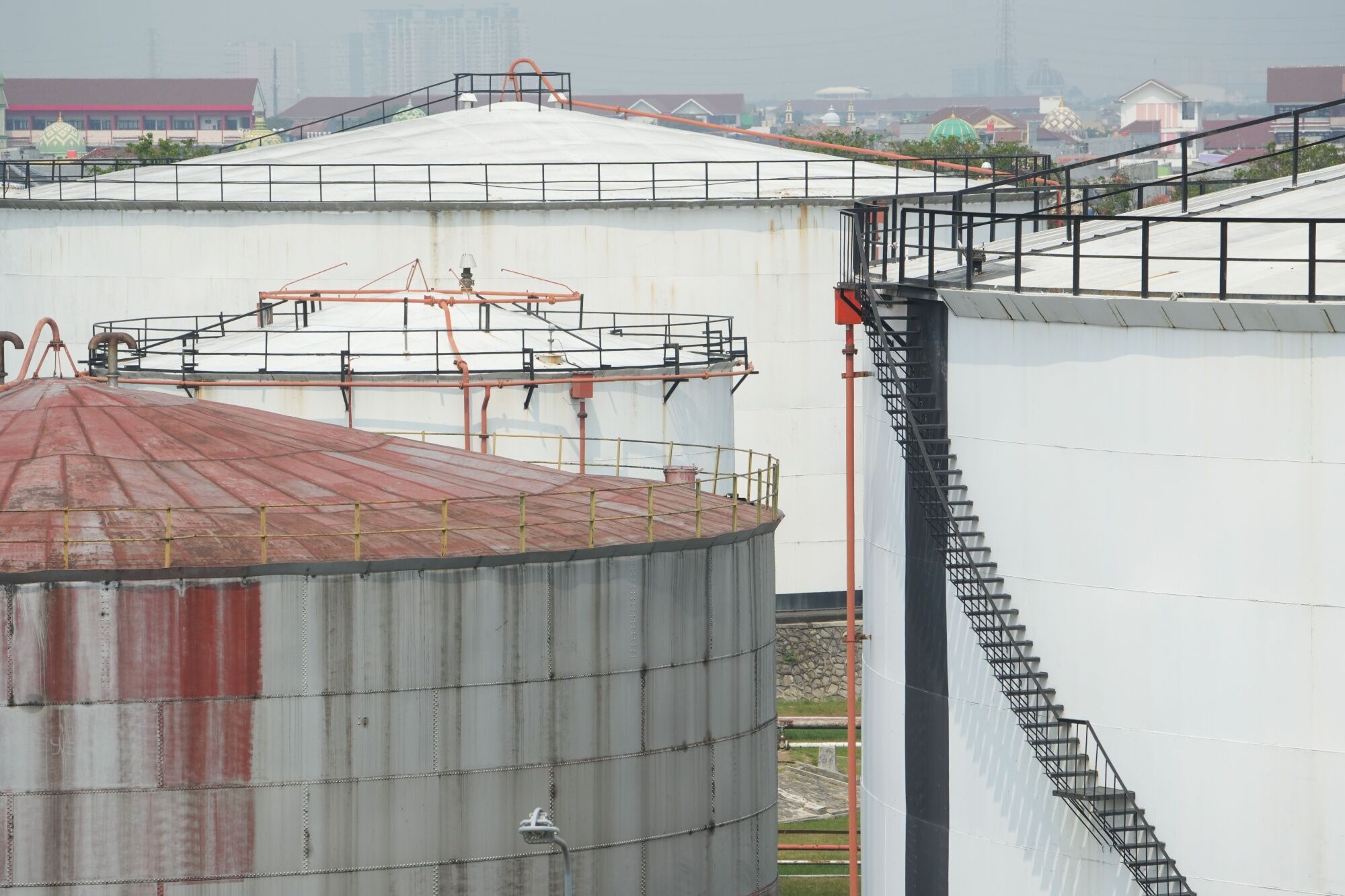
(Bloomberg) -- Oil fell, with the US benchmark tumbling below $90 a barrel, as worries about further interest rate increases and a slowdown in the economy roiled broader markets.
West Texas Intermediate ended the session below $89 a barrel, reversing course after an earlier increase of 1.2%. The S&P 500 slipped and the dollar rose, with investors awaiting clues about the path of Federal Reserve interest rate policy. Prices held onto losses as Fed Chief Jerome Powell appeared at a roundtable discussion on Monday. Officials have indicated rates are likely to remain high, while JPMorgan Chase & Co. Chief Executive Officer Jamie Dimon sees the possibility of them climbing more.
High interest rates, which make it more expensive to store and ship crude, have capped oil's gains even as physical markets remain tight due to supply curbs from Saudi Arabia and allies.
“Rates and the dollar are primary drivers today,” said Rebecca Babin, a senior energy trader at CIBC Private Wealth. “Much of the physical market tightness has been priced in, and the most severe inventory draws may be behind us.”

Earlier in the session, there were mixed signals around the restart of a key oil pipeline that runs from Iraq to Turkey. While a Turkish minister said the pipe was ready to operate, a senior Iraqi official said it can't start until commercial issues between the two countries have been resolved. The line carries almost half a million barrels of crude a day, and a restart would help ease some of the market's tightness.
Oil has rallied since mid-June after the Organization of Petroleum Exporting Countries and its allies curbed crude supplies, Russia banned exports of diesel and official US data confirmed a plunge in crude stockpiles at the vital hub in Cushing, Oklahoma. The upsurge — which has also been supported by robust demand - has rekindled speculation that $100-a-barrel pricing may return.
Oil's recent rally had also started to meet technical resistance. On Monday, Brent slid into neutral territory on its 14-day relative strength index after five days of trading overbought on that basis.
Still, not everyone expects tighter balances. Citigroup Inc. said Brent would sink back into the low $70s a barrel next year as supply increases, pushing the market into a glut.
“Higher prices in the near term could make for more downside for prices next year,” analysts including Ed Morse wrote in a note.
--With assistance from Elizabeth Low and Yousef Gamal El-Din.
More stories like this are available on bloomberg.com
©2023 Bloomberg L.P.

-
Ten Things I Learnt This Samvat

Patience can be a trap. Cheap stocks can stay cheap. Leverage can wipe you out. What did Samvat 2082 teach us? Niraj Shah writes on 10 lessons from the year gone by.
-
Talking Points This Week: Tech Nerves, FII Buying, And A Faraway Banking Shock
The global markets are not shining this Diwali. The exception in the large markets is, India.
-
Midterm Rally Lasted A Day. The Hard Reality Of A Divided US May Last Two Years | Opinion
Between a contested AI boom, a debt ceiling that arrives in 2027 and a president with every incentive to act alone, the next two years may prove more volatile than the first day's rally suggests.
-
Blue Wave Will Derail the AI Trade but Won't Dismantle the AI Era | Unhedged Position
The Democrats' sweep of the US Congress will see politics collide with economic forces both over the long and short term.
-
It's Time To Take The GST Council's Bet On Trust Global
Payment records can prove India's services exports, and clear, proportionate rules can bring foreign digital sellers into the tax net.
-
Opinion | India at 38: From Innovation Overperformer to Innovation Powerhouse
India now has 453 VC-backed deep science startups, 18 of them late-stage, after 117 percent growth since 2020. Laurus Labs, at USD 9.3 billion, is the most valuable deep science company in any middle-income economy outside China.
-
Navigating Energy Crossroads: S Jaishankar's Call For Diversified Supply Chains At G20 Ministerial Meeting
As geopolitical fault lines continue to test maritime trade routes and commodity flows, Jaishankar's message remains pertinent: true economic resilience requires open markets, protected transit lines, and a genuine commitment to multilateral cooperation rather than coercion.
-
Indians Are Travelling, But Not Every Journey Is A Holiday | The Week In Whys
Pilgrims, patients and working women are the real travellers, and the system hasn't quite caught up with them.
-
Getting To Work Costs Women More | The Reason Why
It is not just about women paying more than men. It is about women paying much more in cities than in villages.









