Oil Hovers Near This Year’s High As OPEC+ Extends Output Curbs
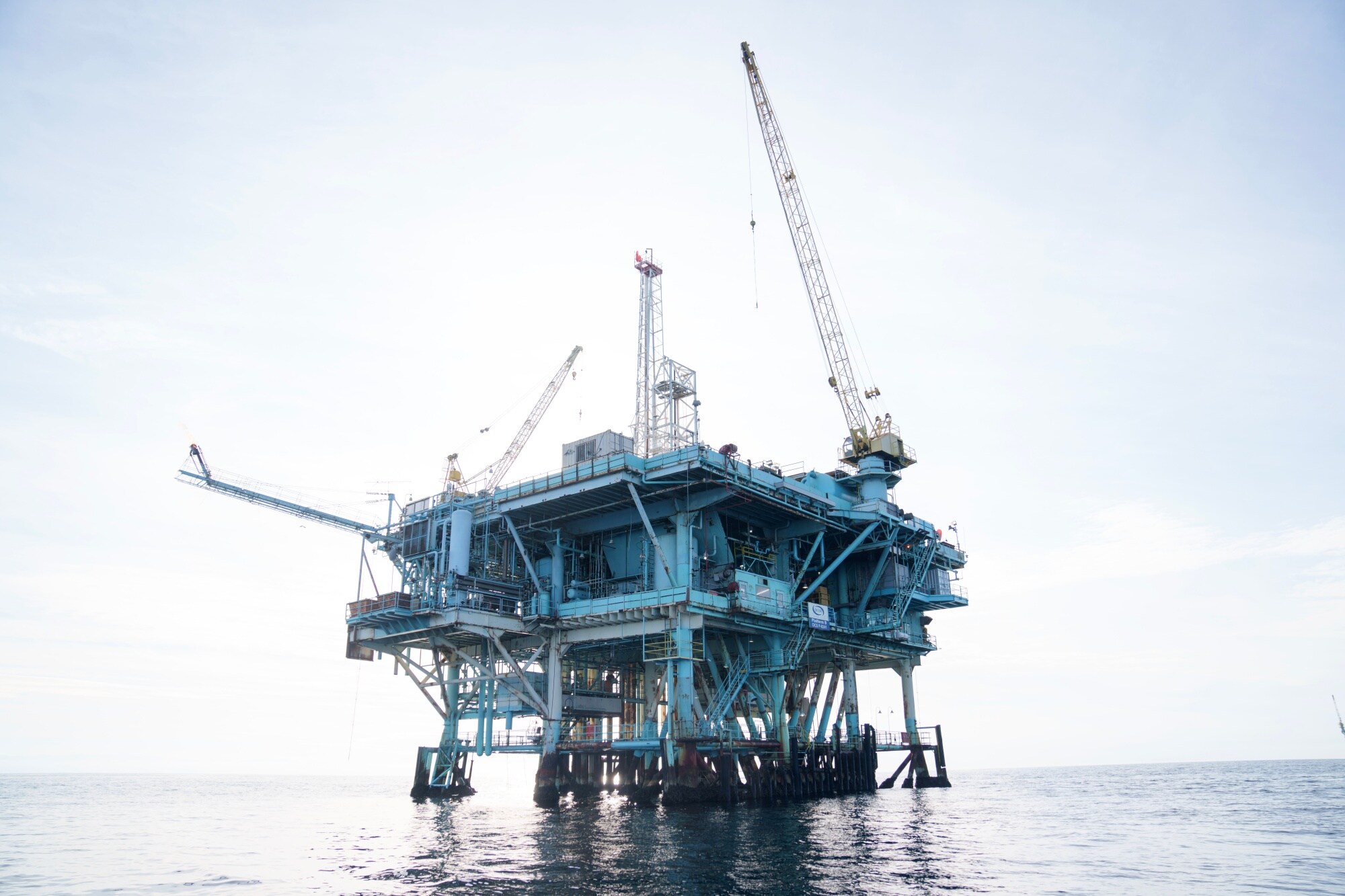
(Bloomberg) -- Oil fluctuated near its highest prices this year after the OPEC+ alliance extended its production cuts to the end of next quarter.
West Texas Intermediate edged lower, while remaing close to $80 a barrel, after breaching the key psychological level on Friday for the first time since November. The Organization of the Petroleum Exporting Countries and its allies extended their roughly 2 million-barrel-a-day reduction through the end of June, with Russia emphasizing it would cut output and not just exports.
Traders and analysts had already priced in the widely expected OPEC+ decision, which was seen as necessary to offset a seasonal lull in demand and soaring output from other producers. The latest cuts will be returned gradually, subject to market conditions, OPEC's Secretariat said in a statement.

The announcement goes “above market expectations” and “shows robust determination to defend a price floor above $80 per barrel in the second quarter,” Jorge Leon, senior vice president of oil market research at Rystad Energy, said in a note. “If OPEC+ rapidly unwound the voluntary cuts, downside price pressure would have accentuated, taking prices down to $77 per barrel in May.”
Read More: OPEC+ Extends Oil Cuts, With Russia Bolstering Its Effort
Crude has been on a slow but steady ascent this year. Widening timespreads are signaling tighter physical conditions driven by a host of disruptions, including attacks on ships in the Red Sea. Still, delayed expectations for when the Federal Reserve will start to lower interest rates, strong production from outside OPEC+ and a shaky Chinese demand outlook have capped gains.
More stories like this are available on bloomberg.com
©2024 Bloomberg L.P.

-
Love, Sex Aur Dhokha: The Audacious Plot To Spy On Jensen Huang

A Taipei dinner, a Singapore chip buyer and a suspected Chinese asset: inside the alleged spy operation that got close to NVIDIA's Jensen Huang.
-
Ten Things I Learnt This Samvat
Patience can be a trap. Cheap stocks can stay cheap. Leverage can wipe you out. What did Samvat 2082 teach us? Niraj Shah writes on 10 lessons from the year gone by.
-
Talking Points This Week: Tech Nerves, FII Buying, And A Faraway Banking Shock
The global markets are not shining this Diwali. The exception in the large markets is, India.
-
Midterm Rally Lasted A Day. The Hard Reality Of A Divided US May Last Two Years | Opinion
Between a contested AI boom, a debt ceiling that arrives in 2027 and a president with every incentive to act alone, the next two years may prove more volatile than the first day's rally suggests.
-
Blue Wave Will Derail the AI Trade but Won't Dismantle the AI Era | Unhedged Position
The Democrats' sweep of the US Congress will see politics collide with economic forces both over the long and short term.
-
It's Time To Take The GST Council's Bet On Trust Global
Payment records can prove India's services exports, and clear, proportionate rules can bring foreign digital sellers into the tax net.
-
Opinion | India at 38: From Innovation Overperformer to Innovation Powerhouse
India now has 453 VC-backed deep science startups, 18 of them late-stage, after 117 percent growth since 2020. Laurus Labs, at USD 9.3 billion, is the most valuable deep science company in any middle-income economy outside China.
-
Navigating Energy Crossroads: S Jaishankar's Call For Diversified Supply Chains At G20 Ministerial Meeting
As geopolitical fault lines continue to test maritime trade routes and commodity flows, Jaishankar's message remains pertinent: true economic resilience requires open markets, protected transit lines, and a genuine commitment to multilateral cooperation rather than coercion.
-
Indians Are Travelling, But Not Every Journey Is A Holiday | The Week In Whys
Pilgrims, patients and working women are the real travellers, and the system hasn't quite caught up with them.









