JPMorgan Investor Summit: India Bonds Will Reflect Macro Realities With EM Index Inclusion, Says Jahangir Aziz
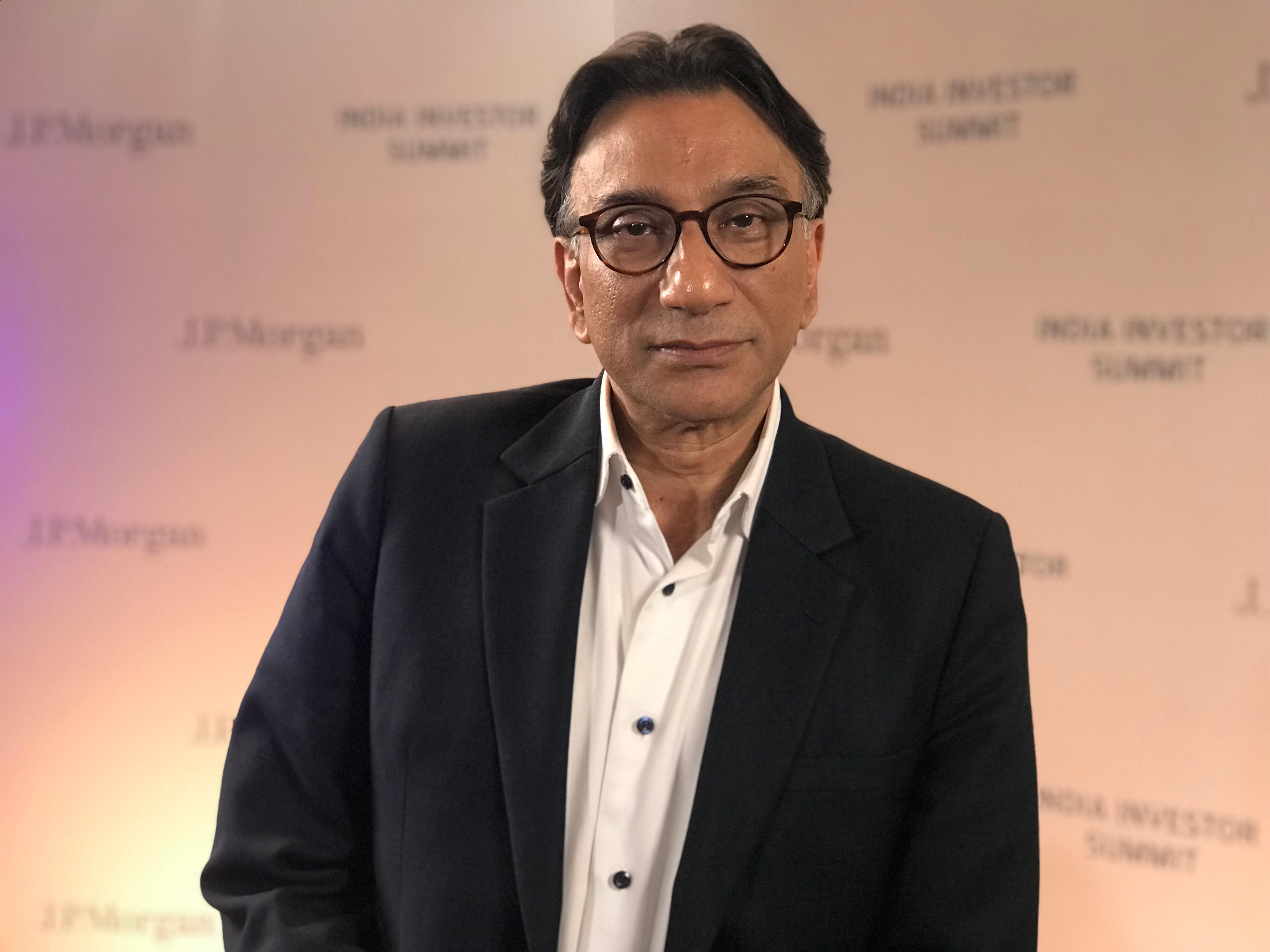
With India's inclusion in the JPMorgan Chase & Co.'s emerging market index, the country's bond market will be more reflective of the "macroeconomic realities", according to Jahangir Aziz.
Participation of foreign investors will broaden the base for the Indian government to source funding, Aziz, head of emerging markets economics research and commodities at JPMorgan, told BQ Prime on the sidelines of the JPMorgan India Investor Summit. This, in turn, will ensure a better price discovery for the Indian debt, he said.
"Price discovery and market discipline from the government will make a much more resilient and stronger bond market over a period of time," Aziz said, explaining that a larger pool of investors would make the Indian debt market more prone to external liquidity shocks.
"Over a period of time, say 2-4 years, Indian bonds will start reflecting the macroeconomic realities...finally you will have a set of investors who can move out of the bond market if the fiscal discipline is not maintained," Aziz said.
In 2024, India's general elections will result in a spurt in government spending, which usually affect fiscal balances. However, the market players should look beyond such spending announcements, according to him.
India's Trade Competitiveness To Remain Strong
The Indian rupee has fallen by 2% against the U.S. dollar in the last one year, due to strong U.S. dollar. But its strength among Asian peers, going by the real effective exchange rate, is not much of a concern for the country's trade competitiveness, Aziz said.
"A significant portion of our trade is invoiced in dollars. As long as the dollar's price does not move very much, there is not that amount of impact on trade," he said. The bigger worry is the global demand, according to him.
Beyond 2024, Aziz foresees a faster and deeper slowdown in demand, which is essential to lower the core inflation. India's core inflation, which strips out food and energy prices, was at 4.9% in July.
"The current disinflation is because of China. Their export prices are at -15% in dollar terms, as their fiscal policies are biased towards supply side," Aziz said. "Not just India, anyone who has China as major importer, has significantly benefited from this."

-
Navigating Energy Crossroads: S Jaishankar's Call For Diversified Supply Chains At G20 Ministerial Meeting

As geopolitical fault lines continue to test maritime trade routes and commodity flows, Jaishankar's message remains pertinent: true economic resilience requires open markets, protected transit lines, and a genuine commitment to multilateral cooperation rather than coercion.
-
Indians Are Travelling, But Not Every Journey Is A Holiday | The Week In Whys
Pilgrims, patients and working women are the real travellers, and the system hasn't quite caught up with them.
-
Getting To Work Costs Women More | The Reason Why
It is not just about women paying more than men. It is about women paying much more in cities than in villages.
-
AI Bias In Investing Cannot Be Eliminated, But It Can Be Governed
Framing is a particularly important example as identical financial information presented in terms of gains rather than losses can lead an LLM to reach a different assessment.
-
Joining The Dots | Dark Skies, Steady Diya: Why Hope Holds This Diwali
With war, a weak rupee and foreign outflows weighing on sentiment, policymakers at the NDTV World Summit and market veterans at NDTV Profit Ignite: Diwali Edition offered the same advice: stay invested and filter out the noise.
-
The Curious Case of Equitas Small Finance Bank And A CEO Who Quit For Stock
PN Vasudevan believes persistent investor concerns over a perceived conflict of interest had become a governance overhang on Equitas Small Finance Bank's stock, even as the lender improved profitability and asset quality.
-
Talking Points This Week: AI Cash Burn, A Tiger Comeback And An India That Still Finds Its Own Path
India is not immune to higher oil or tighter global liquidity, yet its earnings base is broader, its domestic policy levers are still available.
-
Foreign Investors Own Half Of HDFC Bank and ICICI Bank. An LTCG Cut Could Matter Most Here
Foreign portfolio investors have US$115 billion parked in HDFC Bank, ICICI Bank. If the government cuts long-term capital gains tax, Jefferies says returning foreign money could land here first.
-
'Never Seen This Level Of Negativity': Sandeep Tandon Says The Next Rally May Be Closer Than You Think
Veteran investor Sandeep Tandon says foreign selling is easing, large-caps are due a comeback and mid-caps are crowded, while he turns positive on gold, power and pharma this Diwali.
-
Indians Stay With Family, Not In Hotels | The Reason Why
India still lacks enough clean, reliable and affordable hotels for budget-conscious travellers.










