JK Cement May Raise Rs 500 Crore Via NCDs
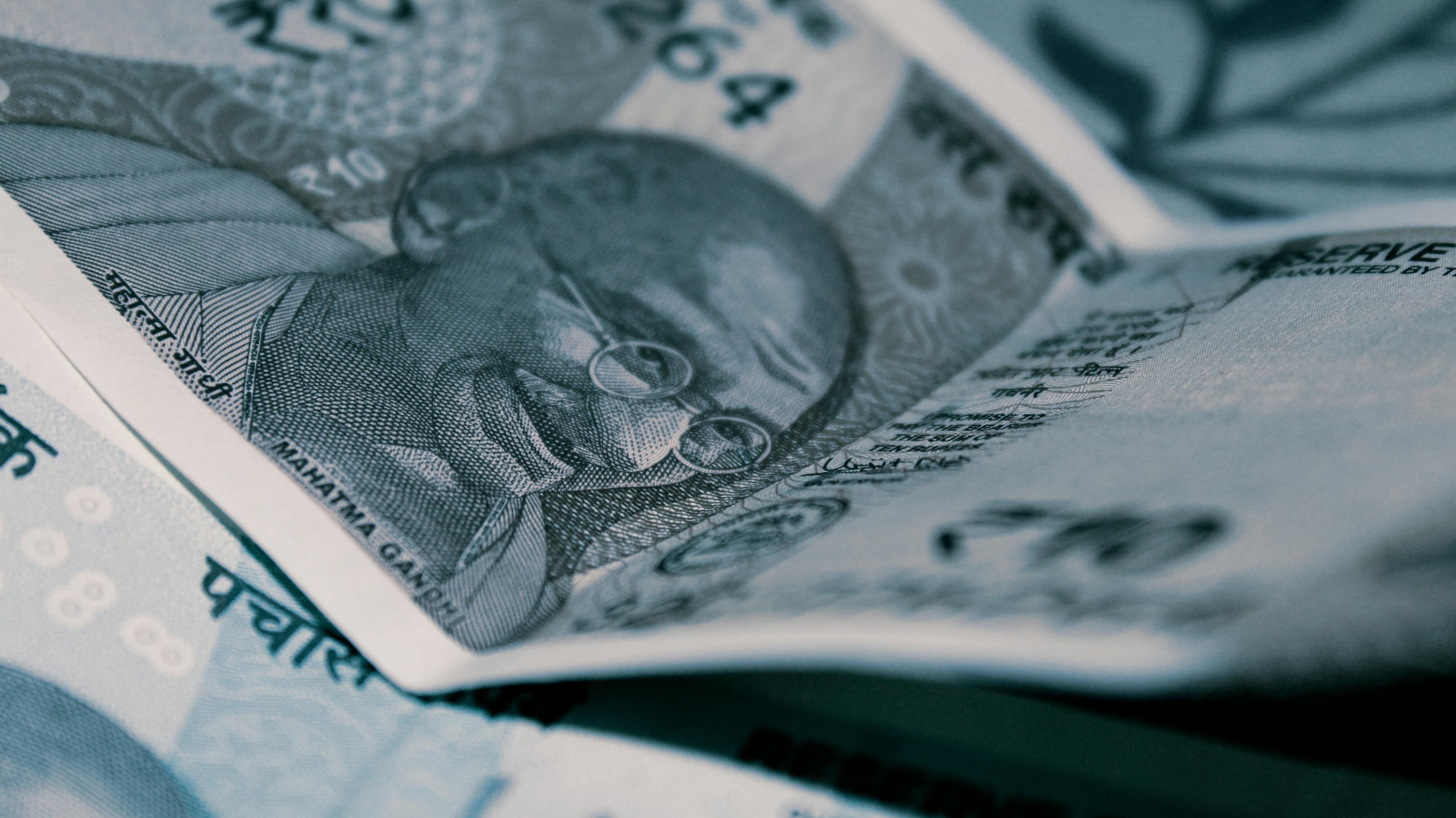
JK Cement Ltd. on Friday said that its board of directors will hold a meeting on May 24 to decide on raising funds through non-convertible debentures.
In the meeting, scheduled at the company's corporate office in Gurgaon, the board will decide on raising up to Rs 500 crore through private placement of NCDs, according to the exchange filing.
In the same meeting, the board will also discuss and approve financial results and consider dividend declarations.
The grey and white cement manufacturer will conduct the fundraise in one or more tranches one year from the date of the 31st annual general meeting.
Before issuing the debentures, the company will consider and recommend to the shareholders/members passing an enabling resolution in the 31st AGM.
The board will also consider, approve and take on record the audited financial results—consolidated as well as standalone—of the company for the quarter and year ended March 31, 2025, the regulatory disclosure added.
It will also consider the declaration of a dividend for the financial year 2024-25, if any, on equity shares of the company. However, this too is subject to confirmation by the shareholders, it stated.
Accordingly, the trading window for dealing in the company's securities is closed for designated employees/directors/promoters of the company and other connected persons from April 1, 2025, till 48 hours after the declaration/publication of the said financial results of the company, the filing added.
Shares of JK Cement Ltd. closed 1.46% higher at Rs 4,952.75 apiece on the BSE, compared to a 1.77% advance in the benchmark Sensex. However, the company's filing happened after the stock markets had closed for Friday.

-
High US Salaries, No Green Card Certainty: The Financial Calculation Facing Indian H-1B Families

The suspension of PERM processing at eight technology employers does not cancel existing H-1B visas. What it does is force a question many Indian families have been avoiding: is the US salary worth tying your career and family plans to one employer?
-
Unhedged Position: Can India See An Indonesia-Style Time Correction?
The Nifty is trading below levels it first clocked in 2024. Is there, then, as I have suggested in the headline, potential that the current time correction drags on painfully for the next three-five, even ten years?
-
Navigating Friction And Energy Realities: An Analysis Of Marco Rubio's October Visit To India
Occurring at a critical juncture marked by stalled trade negotiations and escalating geopolitical pressures over global energy supplies, the visit offers a profound window into modern US-India relations.
-
India Exports Capital. Why Not Export Trusteeship?
The big question, then, is whether India can build an institution that global borrowers, investors, banks, and lawyers can trust, even without an Indian connection.
-
France's Economy & Politics Are In Crisis | The Reason Why
Let's look at how the French economy and politics evolved under Nicolas Sarkozy, Franois Hollande and Emmanuel Macron.
-
You May Inherit The Business. You Must Earn Its Credibility.
Succession tests the founder's ability to share authority as much as it tests the next generation's readiness to assume it.
-
Signing Deals Is One Thing; Making Them Work Is Another | The Week In Whys
Sometimes, things don't turn out as planned. Indian companies have lost some bids to rivals, some projects won't produce until 2030.
-
FOMC Wall, PERM Suspension, Hospital Stocks | Talking Points This Week
A PERM suspension would directly affect green-card sponsorship rather than H-1B visas, so the near-term earnings impact could remain relatively limited. The key question is whether this marks a new phase in US scrutiny of Indian IT.
-
Everything, Everywhere, All At Once: Dalal Street's Week To Forget | Joining The Dots
Visa curbs, a Starlink spat and cancer drug caps: what connects this week's shocks for Indian markets
-
India Is Going Abroad For Critical Minerals. But It May Take Years To Pay Off | The Reason Why
Although India's steps are in the right direction, they remain modest compared with India's growing dependence.









