India Is Not The Typical EM People Have In Mind, Says Nomura's Sonal Varma
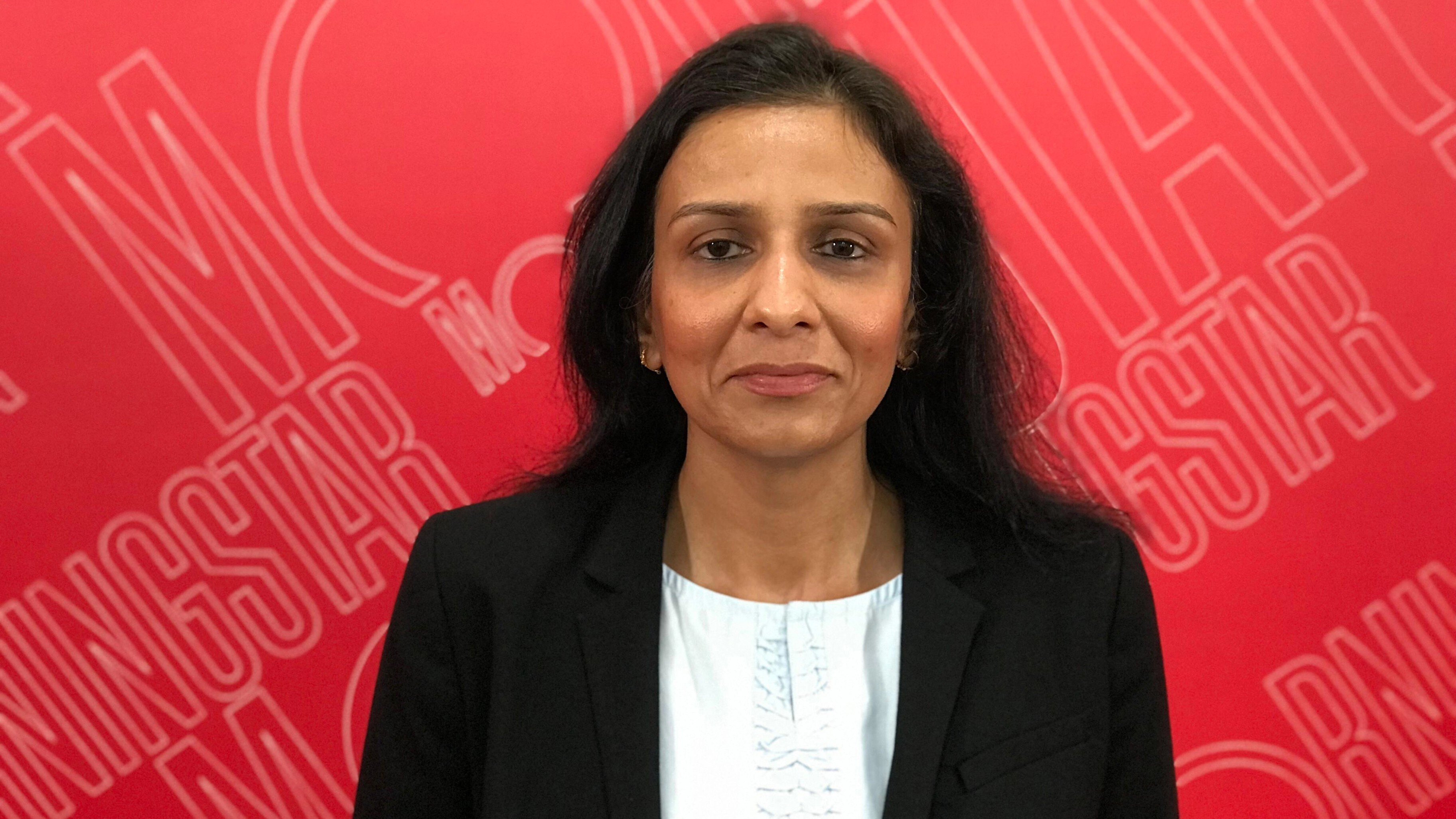
When one thinks of emerging markets, the standard template is a volatile asset class and imprudent macro policy, but it's just the opposite, according to Sonal Varma, chief India economist at Nomura Holdings Inc.
Interest rate movements in India have been a lot more contained than the daily volatility in the U.S. fixed income markets, Varma told BQ Prime on the sidelines of the Morningstar investment conference.
Both monetary and fiscal responses in India were more contained than the kind of expansion that developed markets did, which was one reason why inflation shot through the roof there, according to Varma.
"Importantly, in terms of the kind of reforms we are putting in place—ease of doing business, push on public capex—there is focus on the right things along with prudent policymaking," she said.
To that extent, that's not the typical EM that people have in mind, Varma said.
Excerpts From The Interview:
Amid resilient growth in India, do you believe that it needs to be broad-based?
Sonal Varma: Headline and aggregate indicators are still looking quite strong. Some of the high frequency indicators on consumption and investment still suggest that growth remains strong.
The question is in terms of sustainability of this trend, particularly in FY25. First, 2024 will be a challenging year for global growth, with repercussions for India. Second, our own drivers of demand—rural consumption—still remains soft and given the monsoons this year, rural consumption will remain tepid.
On the private capex front, things are too uncertain and the delays we have seen might continue.
Amid rising fiscal defence of food inflation, will the government have to choose between lower capex spending and diverting savings from other schemes?
Sonal Varma: We have seen fiscal intervention by the government. It's important as we get into the elections. For instance, the free food grain scheme that ends in December will likely be extended for three to six months and is pretty sizeable in terms of food subsidy.
If we continue to see elevated oil prices, there too, our view is that the government will have to provide support. It will be difficult to increase retail prices given that we are under stress and headed for elections.
So far, the government has frontloaded capex spending, and support to states to frontload their capex spending. That seems to be supported by tax collections so far. However, a choice will have to be made about either sticking to the fiscal deficit target or compromising somewhere. Bulk of the revenue expenditure is quite sticky in nature and, therefore, the discretionary spending that can be adjusted ultimately ends up being capex. Which is why we think that fiscal deficit targets can be met but will come at the cost of growth.
Can we expect easier monetary policy in FY25?
Sonal Varma: That's our baseline. For India, there are two underlying aspects. One is that underlying inflation has come down. The three-month sequential momentum is down to below 4%, which suggests that underlying conditions are very much in check.
Household inflation expectations have fallen into single digits for the first time since the pandemic. That's very surprising since inflation expectations in India are adaptive and are very influenced by food prices that have been higher.
Yes, there are risks from oil and food, which we are firewalling right now by not passing it on to retail. Therefore, the forward-looking inflation outlook looks positive. So, we think core inflation might remain at 4.5% or might even go below that.
The RBI's one-year forward real policy rate will be closer to 2%. If the synchronised global slowdown view does play out, which we think is likely, then between growth and inflation, it will call for growth support.
While we are in an extended pause for now, once the growth dynamics start to shift a gear down, the central bank will move to easing from next year.
Watch the full video here:

-
A New Samvat Wishlist: Inclusive Prosperity And Human Development

India has strengthened its economic foundations through infrastructure, digital access and enterprise. Its next growth chapter must deepen productivity, create better livelihoods and widen participation in prosperity.
-
Love, Sex Aur Dhokha: The Audacious Plot To Spy On Jensen Huang
A Taipei dinner, a Singapore chip buyer and a suspected Chinese asset: inside the alleged spy operation that got close to NVIDIA's Jensen Huang.
-
Ten Things I Learnt This Samvat
Patience can be a trap. Cheap stocks can stay cheap. Leverage can wipe you out. What did Samvat 2082 teach us? Niraj Shah writes on 10 lessons from the year gone by.
-
Talking Points This Week: Tech Nerves, FII Buying, And A Faraway Banking Shock
The global markets are not shining this Diwali. The exception in the large markets is, India.
-
Midterm Rally Lasted A Day. The Hard Reality Of A Divided US May Last Two Years | Opinion
Between a contested AI boom, a debt ceiling that arrives in 2027 and a president with every incentive to act alone, the next two years may prove more volatile than the first day's rally suggests.
-
Blue Wave Will Derail the AI Trade but Won't Dismantle the AI Era | Unhedged Position
The Democrats' sweep of the US Congress will see politics collide with economic forces both over the long and short term.
-
It's Time To Take The GST Council's Bet On Trust Global
Payment records can prove India's services exports, and clear, proportionate rules can bring foreign digital sellers into the tax net.
-
Opinion | India at 38: From Innovation Overperformer to Innovation Powerhouse
India now has 453 VC-backed deep science startups, 18 of them late-stage, after 117 percent growth since 2020. Laurus Labs, at USD 9.3 billion, is the most valuable deep science company in any middle-income economy outside China.
-
Navigating Energy Crossroads: S Jaishankar's Call For Diversified Supply Chains At G20 Ministerial Meeting
As geopolitical fault lines continue to test maritime trade routes and commodity flows, Jaishankar's message remains pertinent: true economic resilience requires open markets, protected transit lines, and a genuine commitment to multilateral cooperation rather than coercion.









