Goldman Uses Euros To Fund Its Favorite Carry Trade: The Rupee
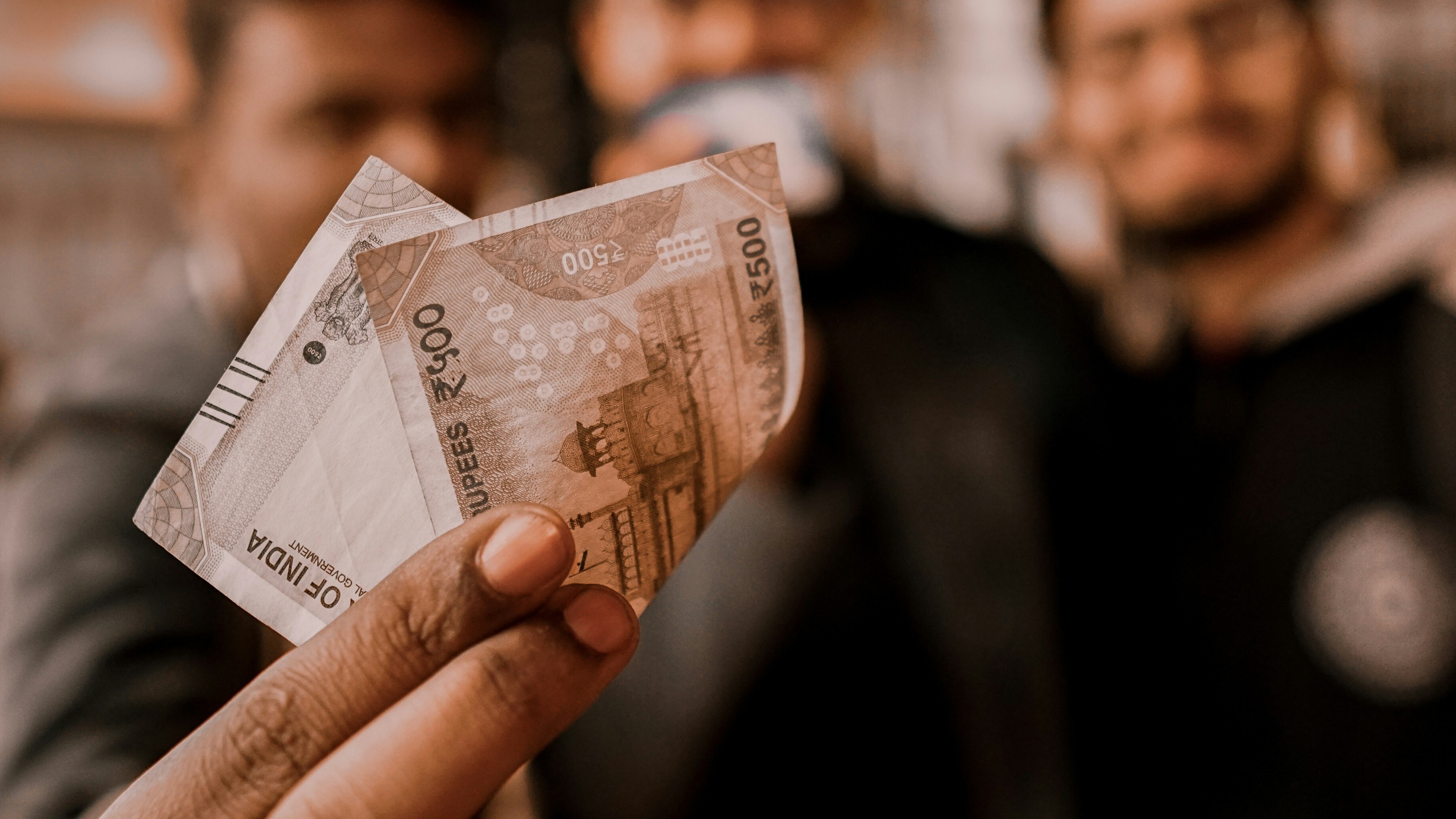
(Bloomberg) -- Goldman Sachs Group Inc. is using the euro as the preferred currency to fund its long rupee carry trade on bets the European Central Bank will further reduce interest rates.
The Wall Street bank is “most constructive” on the rupee among the Asian EM high yielders, Danny Suwanapruti, head of Asia emerging markets for FX and rates strategy, said in an interview.
The euro has declined more than 3% this year against the dollar as the European Central Bank started cutting interest rates in June, and Governing Council member Olli Rehn said investor expectations to loosen monetary policy twice more this year are fair. In contrast, the Reserve Bank of India has signaled its steadfast focus on controlling inflation.

The rupee remains a favorite in the region with Goldman Sachs citing the attractive carry-to-volume as a key reason. The central bank's repeated interventions, aided by $650 billion of foreign-exchange reserves, have made the rupee one of the most stable currencies in the world.
“We expect the RBI to maintain its preference for currency stability, which should keep USD/INR in a relatively tight range, including limiting upside risks to USD/INR,” he said.
READ: How India's Rupee Went From Most to Least Volatile: QuickTake
The less-than-expected mandate for Prime Minister Narendra Modi's party in recent elections is unlikely to dampen the sentiment in the near term, Suwanapruti said.
“We expect macro stability to be maintained in Prime Minister Modi's new term and it does not change our constructive view on the rupee.”
Goldman is also bullish on Indian bonds with a recommendation to buy the two-year paper. “The curve is very flat, and therefore, there is not much yield pick-up to go further out the curve. Hence, we like the front end,” he added.
More stories like this are available on bloomberg.com
©2024 Bloomberg L.P.

-
Talking Points This Week: Tech Nerves, FII Buying, And A Faraway Banking Shock

The global markets are not shining this Diwali. The exception in the large markets is, India.
-
Midterm Rally Lasted A Day. The Hard Reality Of A Divided US May Last Two Years | Opinion
Between a contested AI boom, a debt ceiling that arrives in 2027 and a president with every incentive to act alone, the next two years may prove more volatile than the first day's rally suggests.
-
Blue Wave Will Derail the AI Trade but Won't Dismantle the AI Era | Unhedged Position
The Democrats' sweep of the US Congress will see politics collide with economic forces both over the long and short term.
-
It's Time To Take The GST Council's Bet On Trust Global
Payment records can prove India's services exports, and clear, proportionate rules can bring foreign digital sellers into the tax net.
-
Opinion | India at 38: From Innovation Overperformer to Innovation Powerhouse
India now has 453 VC-backed deep science startups, 18 of them late-stage, after 117 percent growth since 2020. Laurus Labs, at USD 9.3 billion, is the most valuable deep science company in any middle-income economy outside China.
-
Navigating Energy Crossroads: S Jaishankar's Call For Diversified Supply Chains At G20 Ministerial Meeting
As geopolitical fault lines continue to test maritime trade routes and commodity flows, Jaishankar's message remains pertinent: true economic resilience requires open markets, protected transit lines, and a genuine commitment to multilateral cooperation rather than coercion.
-
Indians Are Travelling, But Not Every Journey Is A Holiday | The Week In Whys
Pilgrims, patients and working women are the real travellers, and the system hasn't quite caught up with them.
-
Getting To Work Costs Women More | The Reason Why
It is not just about women paying more than men. It is about women paying much more in cities than in villages.
-
AI Bias In Investing Cannot Be Eliminated, But It Can Be Governed
Framing is a particularly important example as identical financial information presented in terms of gains rather than losses can lead an LLM to reach a different assessment.









