Gold Set for Best Week Since Mid-March on Fears Over US Banks
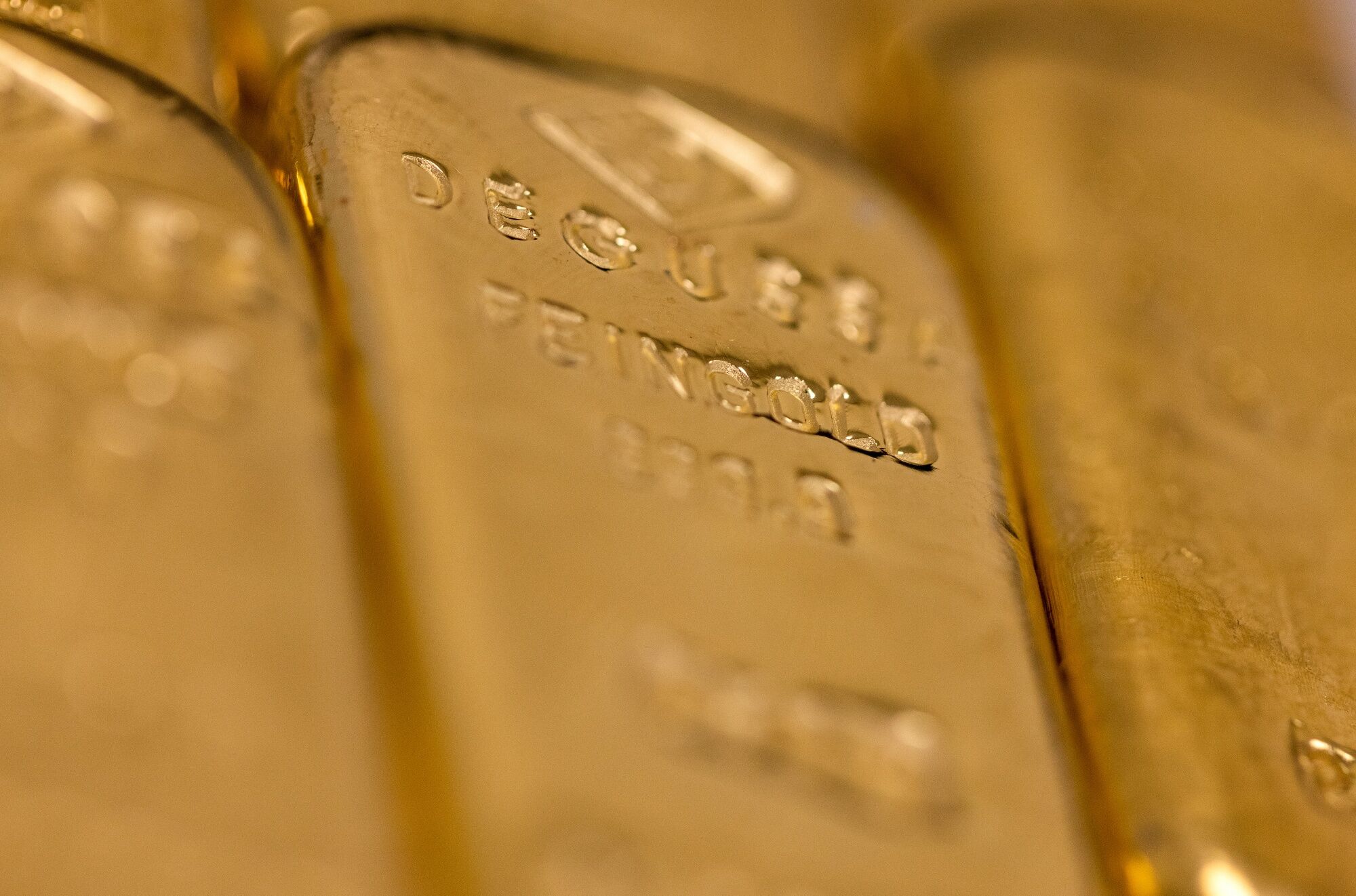
(Bloomberg) -- Gold headed for its biggest weekly advance since the middle of March as renewed worries about the US banking sector fueled bets that the Federal Reserve may have to cut rates sooner than anticipated.
Bullion was steady on Friday, and is up around 3% this week. It has surged since early March on falling Treasury yields, and nervousness over banks and the US debt ceiling standoff. Gold climbed to a one-year peak on Thursday and is within reach of the record high set in 2020.
The main focus at the moment is the deepening rout in US regional lenders and what that means for interest rates. There are expectations the Fed may have to start cutting borrowing costs by July in response to the tightening credit conditions. Lower rates are supportive for the precious metal, which doesn't offer any interest.

The debt-ceiling standoff, which could have disastrous consequences if it isn't resolved, drove up rates on short-term Treasury bills, pushing them over 10-year yields by the most in at least three decades. The steep inversion of the curve is worsening recession concerns and boosting the appeal of haven assets.
The risk of a technical US default is “currently under-appreciated,” RBC Capital Markets strategist Christopher Louney said in a note. “We'd look out for investors making significant allocations for signs gold has legs from here.”
See also: JPMorgan Sees Investors Moving to Gold, Tech Amid Recession Risk
Meanwhile, central bank purchases saw a significant pullback in the first quarter, according to a report from the World Gold Council. Though demand remains strong, the decline may weigh on bullion after record central bank buying in 2022 supported prices even as investors sold the precious metal amid a surging dollar and bond yields.
Spot gold declined 0.2% to $2,046.31 an ounce as of 7:41 a.m. in London after rising 3.4% in the prior three sessions. The Bloomberg Dollar Spot Index fell 0.2% and is down 0.6% this week. Silver was steady, while platinum and palladium edged higher.
More stories like this are available on bloomberg.com
©2023 Bloomberg L.P.

-
Ten Things I Learnt This Samvat

Patience can be a trap. Cheap stocks can stay cheap. Leverage can wipe you out. What did Samvat 2082 teach us? Niraj Shah writes on 10 lessons from the year gone by.
-
Talking Points This Week: Tech Nerves, FII Buying, And A Faraway Banking Shock
The global markets are not shining this Diwali. The exception in the large markets is, India.
-
Midterm Rally Lasted A Day. The Hard Reality Of A Divided US May Last Two Years | Opinion
Between a contested AI boom, a debt ceiling that arrives in 2027 and a president with every incentive to act alone, the next two years may prove more volatile than the first day's rally suggests.
-
Blue Wave Will Derail the AI Trade but Won't Dismantle the AI Era | Unhedged Position
The Democrats' sweep of the US Congress will see politics collide with economic forces both over the long and short term.
-
It's Time To Take The GST Council's Bet On Trust Global
Payment records can prove India's services exports, and clear, proportionate rules can bring foreign digital sellers into the tax net.
-
Opinion | India at 38: From Innovation Overperformer to Innovation Powerhouse
India now has 453 VC-backed deep science startups, 18 of them late-stage, after 117 percent growth since 2020. Laurus Labs, at USD 9.3 billion, is the most valuable deep science company in any middle-income economy outside China.
-
Navigating Energy Crossroads: S Jaishankar's Call For Diversified Supply Chains At G20 Ministerial Meeting
As geopolitical fault lines continue to test maritime trade routes and commodity flows, Jaishankar's message remains pertinent: true economic resilience requires open markets, protected transit lines, and a genuine commitment to multilateral cooperation rather than coercion.
-
Indians Are Travelling, But Not Every Journey Is A Holiday | The Week In Whys
Pilgrims, patients and working women are the real travellers, and the system hasn't quite caught up with them.
-
Getting To Work Costs Women More | The Reason Why
It is not just about women paying more than men. It is about women paying much more in cities than in villages.









