Godrej Agrovet To Adani Wilmar: Customs Duty Hike To Benefit These Edible Oil Firms
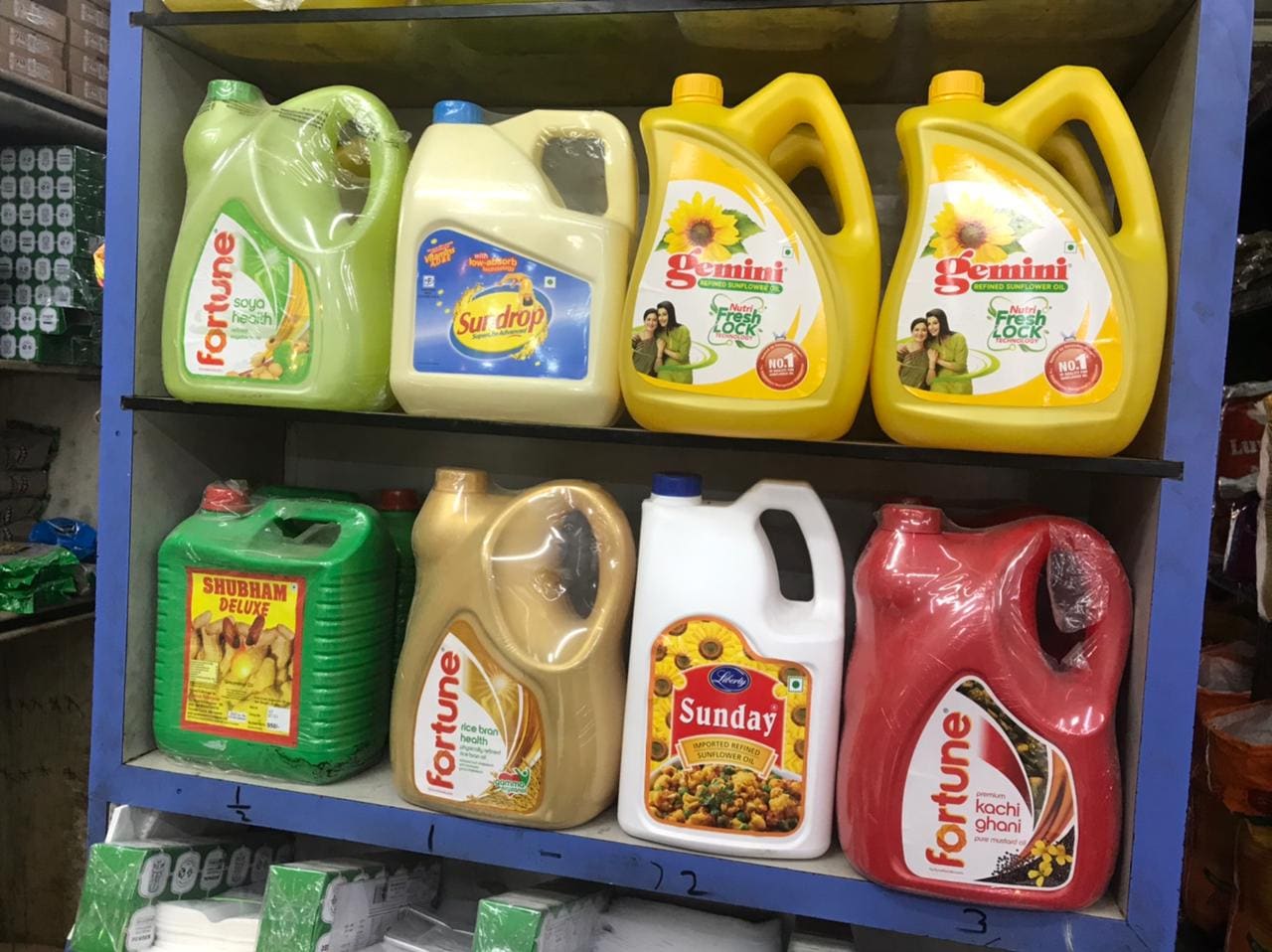
In a significant move, the Indian government hiked the basic customs duty on refined palm oil, soybean oil, and sunflower oil from 12.5% to 32.5%. This decision, which came into effect Sept. 14, is expected to have wide-ranging effects across various sectors, especially the edible oil and fast-moving consumer goods companies.
India is the largest importer of palm oil globally, and sources it from countries like Malaysia, Indonesia, and Singapore. Between April and June 2024, India recorded total imports worth $173 billion, while exports stood at $110 billion, resulting in net imports of $63 billion. Among the import categories, vegetable oil emerged as the top contributor, with palm oil imports accounting for 1.2% of the country's total imports during this period.
This highlights India's reliance on edible oils from international markets, a dependency that may be affected by the recent customs duty hike, potentially reshaping trade dynamics and impacting sectors reliant on these imports.
Beneficiaries: Domestic Edible Oil Producers
The hike in customs duty is set to benefit domestic edible oil producers, such as Godrej Agrovet Ltd., Adani Wilmar Ltd., and Patanjali Foods, who stand to gain from reduced competition from imported oils. These companies may also witness improved margins, as the cost of imported edible oils increases, making locally sourced alternatives more attractive to consumers and businesses alike.
Impact On FMCG Companies
The duty hike could, however, spell trouble for FMCG companies, many of which use palm oil and other edible oils as raw materials for products such as chocolates, biscuits, cakes, cosmetics, soaps, shampoos, washing powders, and other cleaning products. Palm oil, in particular, can account for up to 20% of the weight of instant noodle packs.
Companies heavily reliant on imported palm oil will feel the pinch, with Hindustan Unilever Ltd. expected to bear the brunt. HUL imports palm oil from its wholly-owned subsidiary, Unilever Oleochemical Indonesia, making it one of the largest end-users of palm oil derivatives in India.
Other FMCG names that could potentially face rising input costs include Dabur India Ltd., Emami Ltd., Jyothy Labs Ltd., and Godrej Consumer Ltd. These companies may either absorb the higher costs or pass them on to consumers, potentially impacting their product pricing and market competitiveness.
On the other hand, companies like Nestle India Ltd. and Colgate-Palmolive Co. are expected to face lesser impact due to their local sourcing strategies. Nestle sources 90% of its edible oil requirements locally, while Colgate secures palm oil supplies domestically, insulating them from the full impact of rising import costs.
As the ripple effects of this customs duty hike unfold, edible oil producers stand to benefit, while FMCG companies may grapple with increased input costs, particularly those that rely on imported palm oil. The full impact will likely depend on how companies adjust their sourcing strategies and pricing models in the months to come.
Disclaimer: NDTV Profit is a subsidiary of AMG Media Networks Limited, an Adani Group Company.

-
Midterm Rally Lasted A Day. The Hard Reality Of A Divided US May Last Two Years | Opinion

Between a contested AI boom, a debt ceiling that arrives in 2027 and a president with every incentive to act alone, the next two years may prove more volatile than the first day's rally suggests.
-
Blue Wave Will Derail the AI Trade but Won't Dismantle the AI Era | Unhedged Position
The Democrats' sweep of the US Congress will see politics collide with economic forces both over the long and short term.
-
It's Time To Take The GST Council's Bet On Trust Global
Payment records can prove India's services exports, and clear, proportionate rules can bring foreign digital sellers into the tax net.
-
Opinion | India at 38: From Innovation Overperformer to Innovation Powerhouse
India now has 453 VC-backed deep science startups, 18 of them late-stage, after 117 percent growth since 2020. Laurus Labs, at USD 9.3 billion, is the most valuable deep science company in any middle-income economy outside China.
-
Navigating Energy Crossroads: S Jaishankar's Call For Diversified Supply Chains At G20 Ministerial Meeting
As geopolitical fault lines continue to test maritime trade routes and commodity flows, Jaishankar's message remains pertinent: true economic resilience requires open markets, protected transit lines, and a genuine commitment to multilateral cooperation rather than coercion.
-
Indians Are Travelling, But Not Every Journey Is A Holiday | The Week In Whys
Pilgrims, patients and working women are the real travellers, and the system hasn't quite caught up with them.
-
Getting To Work Costs Women More | The Reason Why
It is not just about women paying more than men. It is about women paying much more in cities than in villages.
-
AI Bias In Investing Cannot Be Eliminated, But It Can Be Governed
Framing is a particularly important example as identical financial information presented in terms of gains rather than losses can lead an LLM to reach a different assessment.
-
Joining The Dots | Dark Skies, Steady Diya: Why Hope Holds This Diwali
With war, a weak rupee and foreign outflows weighing on sentiment, policymakers at the NDTV World Summit and market veterans at NDTV Profit Ignite: Diwali Edition offered the same advice: stay invested and filter out the noise.









