US Bonds Buckle As Stocks Pare Drop Amid Trade Chaos: Markets Wrap
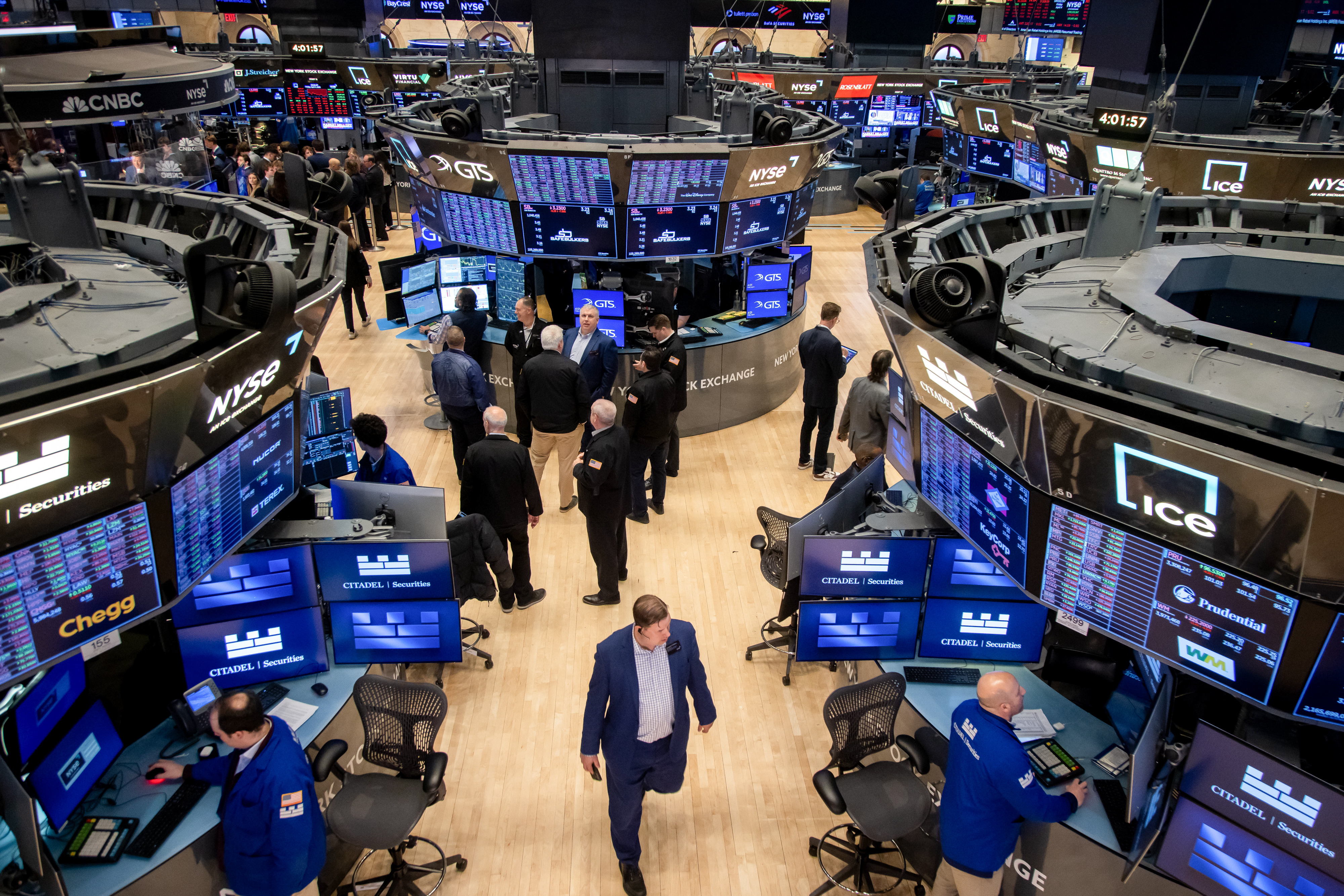
The start of another chaotic trading day on Wall Street saw stocks paring most of an earlier selloff as bonds tumbled, with China's retaliation to US tariffs indicating no relief to a widening trade war.
Following big losses in early US trading, the S&P 500 was little changed, averting for now the threshold of a bear market. The exodus from longer-dated Treasuries accelerated, with 30-year yields briefly topping 5%. A fear gauge for US investment-grade credit jumped to its highest since May 2023. Gold rose alongside the yen and the Swiss franc.
“We're well into an escalation phase in the trade war and investors have just nothing to hold onto at the moment,” said Alexandre Baradez, chief market analyst at IG Markets Ltd. “What's clear now is that the US bond market is no longer a safe haven for investors, but on the contrary is piling pressure on stock markets.”
Treasury Secretary Scott Bessent played down the moves in Treasuries, describing them as “deleveraging convulsions” that were “uncomfortable but normal.”
Drugmaker shares fell after President Donald Trump said the US was planning to announce “a major tariff on pharmaceuticals” soon. Pfizer Inc., Eli Lilly & Co. and Merck & Co. slid more than 3% in US premarket trading. Meanwhile, Delta Air Lines Inc. withdrew its full-year financial guidance, a stark sign of the turmoil rippling across corporate America.
The worsening trade conflict — with Trump increasing levies on China to 104% — has prompted economists at JPMorgan Chase & Co. and Goldman Sachs Group Inc. to raise the probability of a US recession. That would complicate the Federal Reserve's policy response if it has to contend with an inflation spike brought on by the tariffs.
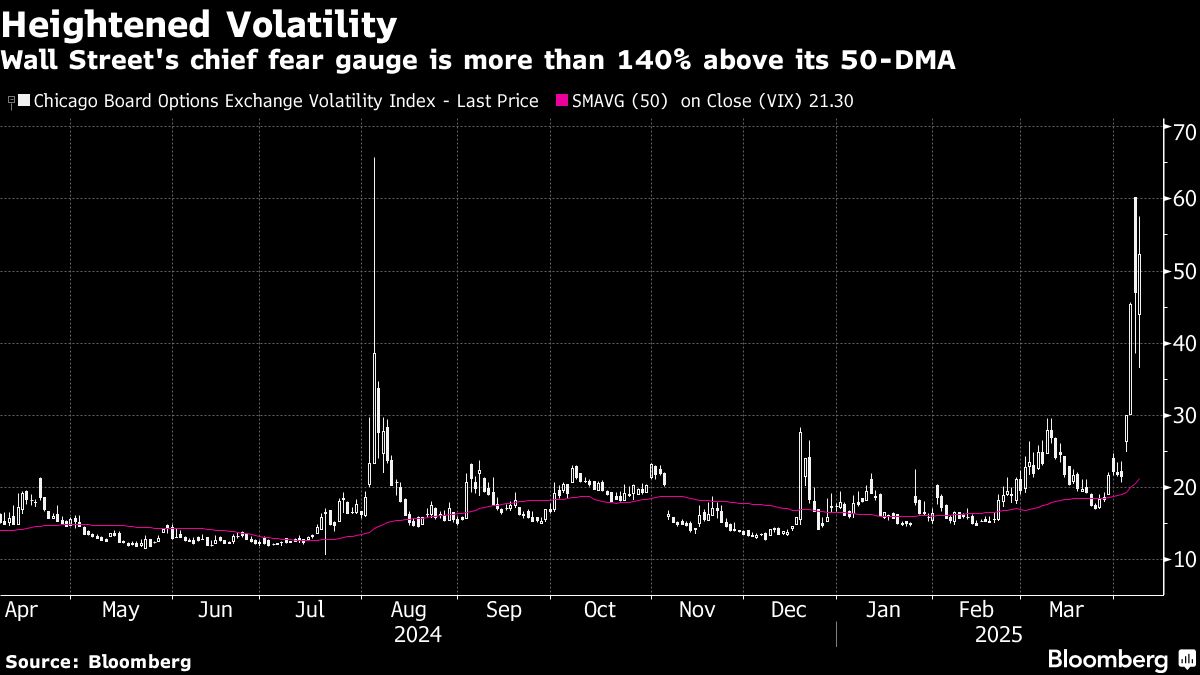
Investors were gripped by concerns that something may break in the financial plumbing as volatility and stress build across markets. Ray Dalio, the billionaire founder of Bridgewater Associates, warned about a “once-in-a-lifetime” breakdown occurring in monetary, political and geopolitical orders.
“We're reaching a new stage in the selloff with now serious concerns that the high volatility could trigger market accidents and possibly something systemic,” said Alexandre Hezez, chief investment officer at Group Richelieu in Paris. “If the Fed is forced to intervene and cut interest rates despite Trump's inflationary policies, then 10-year yields will jump even further.”

-
Talking Points This Week: Tech Nerves, FII Buying, And A Faraway Banking Shock

The global markets are not shining this Diwali. The exception in the large markets is, India.
-
Midterm Rally Lasted A Day. The Hard Reality Of A Divided US May Last Two Years | Opinion
Between a contested AI boom, a debt ceiling that arrives in 2027 and a president with every incentive to act alone, the next two years may prove more volatile than the first day's rally suggests.
-
Blue Wave Will Derail the AI Trade but Won't Dismantle the AI Era | Unhedged Position
The Democrats' sweep of the US Congress will see politics collide with economic forces both over the long and short term.
-
It's Time To Take The GST Council's Bet On Trust Global
Payment records can prove India's services exports, and clear, proportionate rules can bring foreign digital sellers into the tax net.
-
Opinion | India at 38: From Innovation Overperformer to Innovation Powerhouse
India now has 453 VC-backed deep science startups, 18 of them late-stage, after 117 percent growth since 2020. Laurus Labs, at USD 9.3 billion, is the most valuable deep science company in any middle-income economy outside China.
-
Navigating Energy Crossroads: S Jaishankar's Call For Diversified Supply Chains At G20 Ministerial Meeting
As geopolitical fault lines continue to test maritime trade routes and commodity flows, Jaishankar's message remains pertinent: true economic resilience requires open markets, protected transit lines, and a genuine commitment to multilateral cooperation rather than coercion.
-
Indians Are Travelling, But Not Every Journey Is A Holiday | The Week In Whys
Pilgrims, patients and working women are the real travellers, and the system hasn't quite caught up with them.
-
Getting To Work Costs Women More | The Reason Why
It is not just about women paying more than men. It is about women paying much more in cities than in villages.
-
AI Bias In Investing Cannot Be Eliminated, But It Can Be Governed
Framing is a particularly important example as identical financial information presented in terms of gains rather than losses can lead an LLM to reach a different assessment.









