Gautam Adani Back Among World’s 20 Richest People After Stock Surge
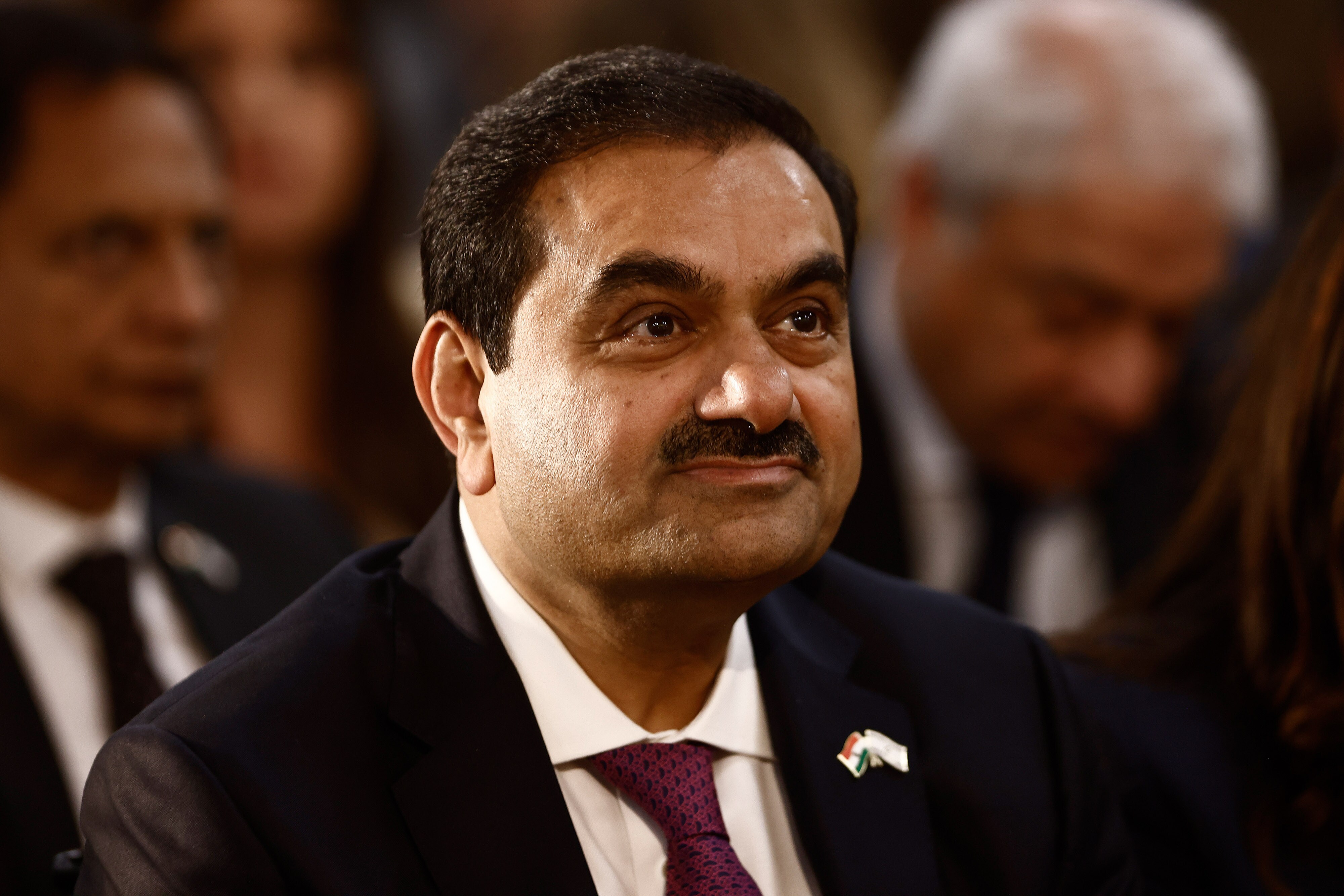
Billionaire Gautam Adani is back in the league of the world's 20 richest people after the recent surge in the shares of group companies.
Adani now ranks 19 on the Bloomberg Billionaires Index with a net worth of $66.7 billion as on Nov. 29.
Adani Group stocks added more than Rs 1.34 lakh crore in investor wealth on Tuesday. While the group's market capitalisation lost some of the gains on Wednesday, the surge propelled Adani into the top 20.
Shares of Adani Group companies rose after the Supreme Court upheld its confidence in SEBI's probe into the Hindenburg allegations. The top court, while hearing the matter last week, asked the petitioners, "where is the matter to doubt" the regulator.
Chief Justice of India DY Chandrachud also questioned the "wisdom" of the allegations of conflict of interest against members of the committee that the top court appointed to look into the fallout of the short-seller attack.
Adani Group shares have rebounded since the initial plunge following Hindenburg's allegations of stock manipulation. The group called the claims malicious.
Global Rich League
Adani is the second richest Indian on the list after Reliance Industries Ltd. Chairman Mukesh Ambani.
Tesla Inc CEO Elon Musk remains the world's richest man with a net worth of $228 billion, followed by Amazon's Jeff Bezos at $171 billion and LVMH CEO Bernard Arnault at $167 billion.
Disclaimer: AMG Media Networks Ltd. (AMNL) currently owns 49% stake in Quintillion Business Media Ltd. (QBML), the owner of BQ Prime Brand. AMNL has entered into an MOU to acquire the balance 51% stake in QBML. Post acquisition, QBML will become a wholly owned subsidiary of AMNL.

-
High US Salaries, No Green Card Certainty: The Financial Calculation Facing Indian H-1B Families

The suspension of PERM processing at eight technology employers does not cancel existing H-1B visas. What it does is force a question many Indian families have been avoiding: is the US salary worth tying your career and family plans to one employer?
-
Unhedged Position: Can India See An Indonesia-Style Time Correction?
The Nifty is trading below levels it first clocked in 2024. Is there, then, as I have suggested in the headline, potential that the current time correction drags on painfully for the next three-five, even ten years?
-
Navigating Friction And Energy Realities: An Analysis Of Marco Rubio's October Visit To India
Occurring at a critical juncture marked by stalled trade negotiations and escalating geopolitical pressures over global energy supplies, the visit offers a profound window into modern US-India relations.
-
India Exports Capital. Why Not Export Trusteeship?
The big question, then, is whether India can build an institution that global borrowers, investors, banks, and lawyers can trust, even without an Indian connection.
-
France's Economy & Politics Are In Crisis | The Reason Why
Let's look at how the French economy and politics evolved under Nicolas Sarkozy, Franois Hollande and Emmanuel Macron.
-
You May Inherit The Business. You Must Earn Its Credibility.
Succession tests the founder's ability to share authority as much as it tests the next generation's readiness to assume it.
-
Signing Deals Is One Thing; Making Them Work Is Another | The Week In Whys
Sometimes, things don't turn out as planned. Indian companies have lost some bids to rivals, some projects won't produce until 2030.
-
FOMC Wall, PERM Suspension, Hospital Stocks | Talking Points This Week
A PERM suspension would directly affect green-card sponsorship rather than H-1B visas, so the near-term earnings impact could remain relatively limited. The key question is whether this marks a new phase in US scrutiny of Indian IT.
-
Everything, Everywhere, All At Once: Dalal Street's Week To Forget | Joining The Dots
Visa curbs, a Starlink spat and cancer drug caps: what connects this week's shocks for Indian markets
-
India Is Going Abroad For Critical Minerals. But It May Take Years To Pay Off | The Reason Why
Although India's steps are in the right direction, they remain modest compared with India's growing dependence.









