Fuel Retailers Take A Hit After India’s Steep Hike In Taxes
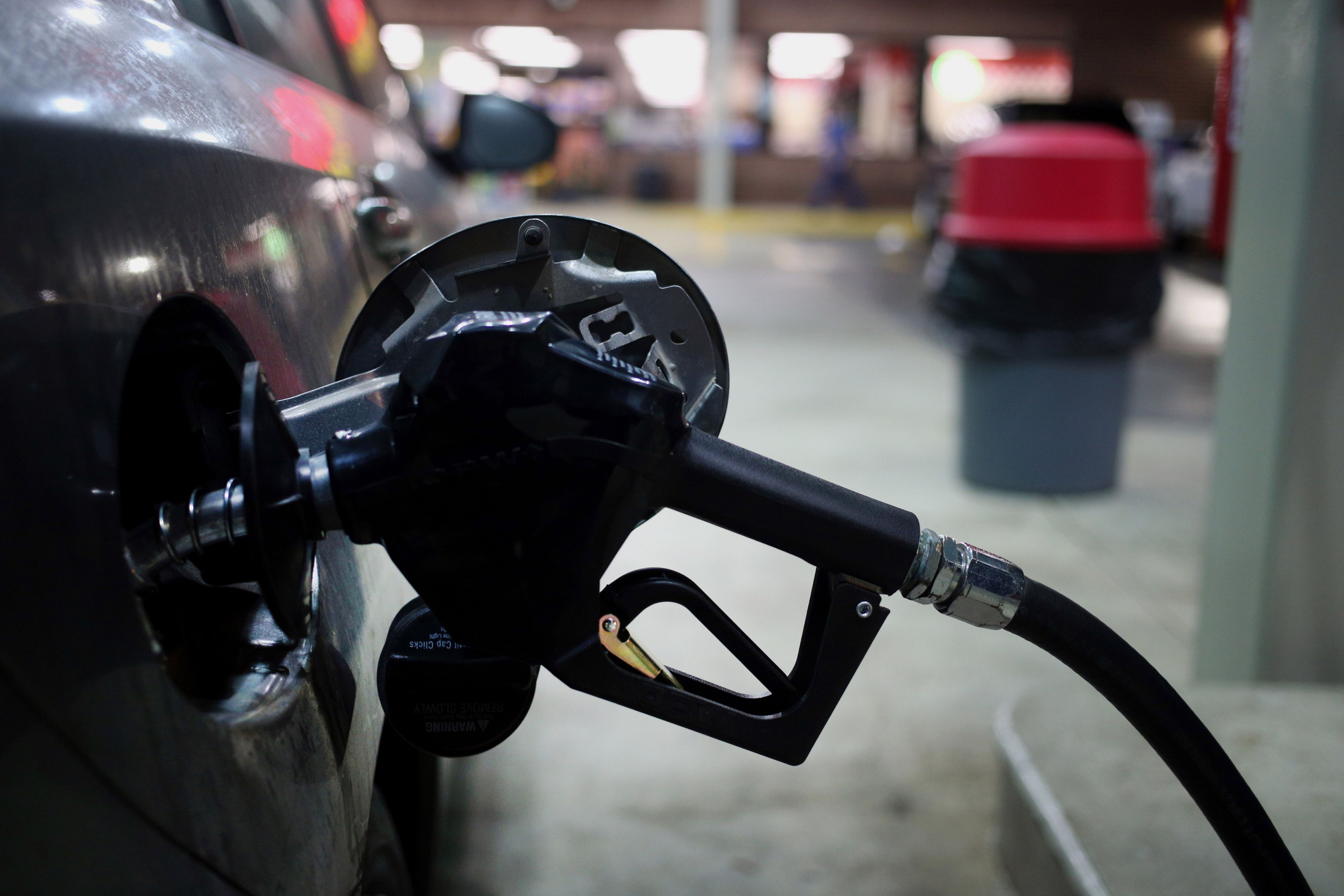
Shares of India's three listed fuel retailers fell after the government raised taxes to shore up its revenue amid the new coronavirus pandemic.
Indian Oil Corporation Ltd., Bharat Petroleum Corporation Ltd. and Hindustan Petroleum Corporation Ltd. fell in the range of 7-10 percent. That compares with 0.46 percent drop in the benchmark Nifty 50 Index.
India raised taxes on petrol and diesel by Rs 10 and Rs 13 a litre, respectively, effective May 6. The hike, according to a government notification, is due to an increase in special additional excise duty as well as cess. That's the second such move in less than two months and comes at a time international crude oil prices slumped.
Yet, retail sale price of the fuel will not change, implying the companies will have to bear the brunt of the hike in excise duty. And that's expected to hurt their gross marketing margin.
The mark-up earned on every litre of petrol and diesel sold will fall to about Rs 6 and Rs 3, respectively, from Rs 20 and Rs 18. HPCL and BPCL are likely to be impacted more as retail sale of fuel, according to the data compiled by BloombergQuint, contributes nearly 60 percent and 40 percent, respectively, to their operational profit.
That too when higher margin was expected to help the oil marketing companies tide over the losses due to lower fuel demand, weakness in refining margins and inventory loss. The current gross marketing margin factored in the recent surge in Brent Crude prices.
Prime Minister Narendra Modi's government is trying to use lower global crude oil prices to raise domestic levies and cushion deteriorating finances at home. India's budget gap for the year ended March 31 touched 4.4 percent of gross domestic product, according to a Bloomberg report quoting people with knowledge of the matter, breaching the 3.8 percent target and putting the nation at risk of a credit rating downgrade.

-
Ten Things I Learnt This Samvat

Patience can be a trap. Cheap stocks can stay cheap. Leverage can wipe you out. What did Samvat 2082 teach us? Niraj Shah writes on 10 lessons from the year gone by.
-
Talking Points This Week: Tech Nerves, FII Buying, And A Faraway Banking Shock
The global markets are not shining this Diwali. The exception in the large markets is, India.
-
Midterm Rally Lasted A Day. The Hard Reality Of A Divided US May Last Two Years | Opinion
Between a contested AI boom, a debt ceiling that arrives in 2027 and a president with every incentive to act alone, the next two years may prove more volatile than the first day's rally suggests.
-
Blue Wave Will Derail the AI Trade but Won't Dismantle the AI Era | Unhedged Position
The Democrats' sweep of the US Congress will see politics collide with economic forces both over the long and short term.
-
It's Time To Take The GST Council's Bet On Trust Global
Payment records can prove India's services exports, and clear, proportionate rules can bring foreign digital sellers into the tax net.
-
Opinion | India at 38: From Innovation Overperformer to Innovation Powerhouse
India now has 453 VC-backed deep science startups, 18 of them late-stage, after 117 percent growth since 2020. Laurus Labs, at USD 9.3 billion, is the most valuable deep science company in any middle-income economy outside China.
-
Navigating Energy Crossroads: S Jaishankar's Call For Diversified Supply Chains At G20 Ministerial Meeting
As geopolitical fault lines continue to test maritime trade routes and commodity flows, Jaishankar's message remains pertinent: true economic resilience requires open markets, protected transit lines, and a genuine commitment to multilateral cooperation rather than coercion.
-
Indians Are Travelling, But Not Every Journey Is A Holiday | The Week In Whys
Pilgrims, patients and working women are the real travellers, and the system hasn't quite caught up with them.
-
Getting To Work Costs Women More | The Reason Why
It is not just about women paying more than men. It is about women paying much more in cities than in villages.









