Five Key Charts to Watch In Global Commodity Markets This Week
(Bloomberg) -- Wild weather is taking a toll on commodities markets. Cocoa's rally is cooling. And Americans can feast on hamburgers at July 4 holiday barbecues without breaking the bank.
Here are five notable charts to consider in global commodity markets as the week gets underway.
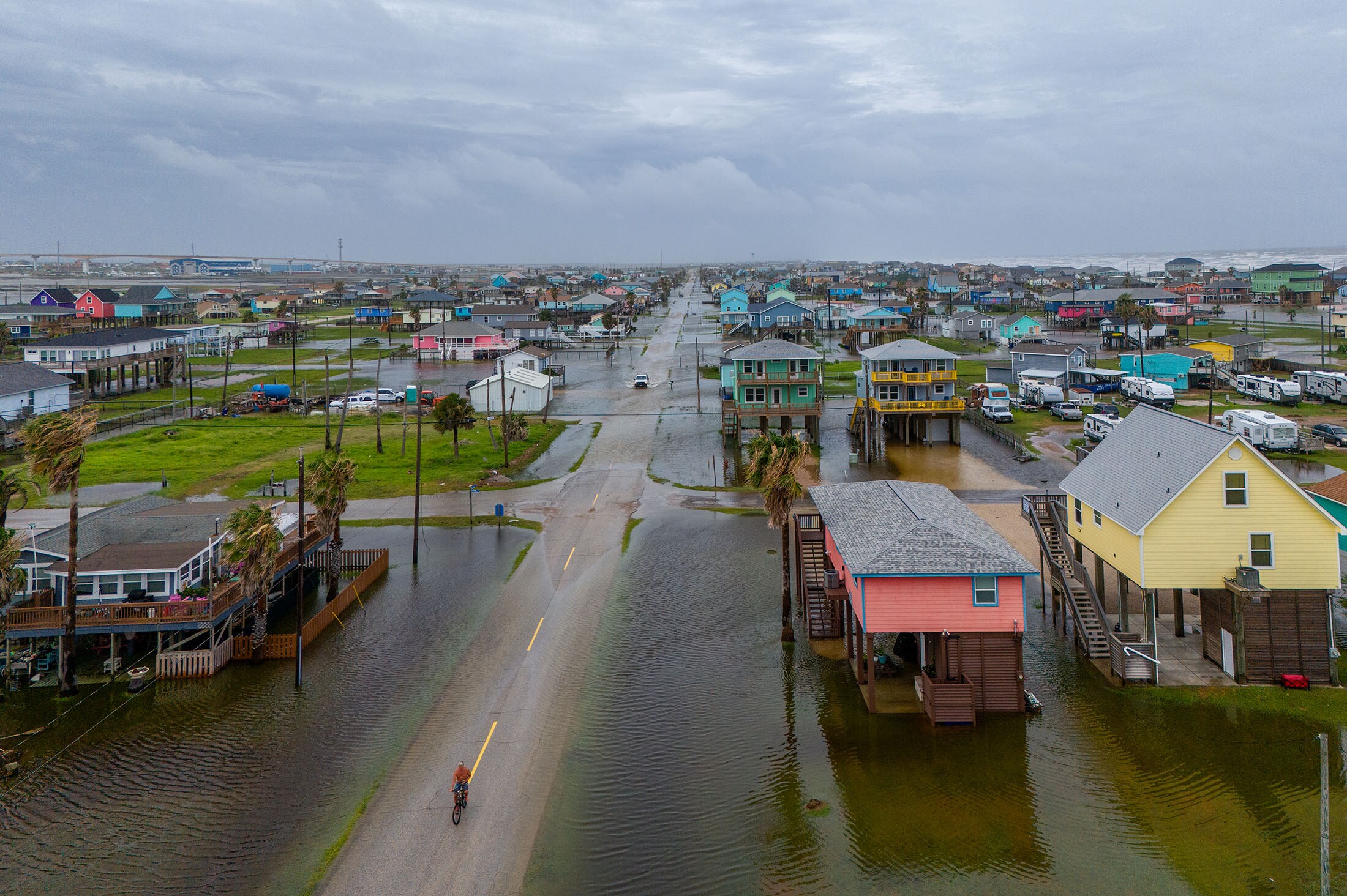
Climate
An era of extreme weather has gripped the globe as climate change ushers in a phenomenon known as “compound events” — when weather goes haywire in back-to-back or overlapping spells. For an example, consider Texas. The Lone Star state has been the US epicenter of wild weather for decades, racking up 176 weather disasters costing $1 billion or more since 1980, according to the US National Centers for Environmental Information. Texas also logged the most extreme-weather costs of any US state, with damages totaling at least $300 billion over the period — and the pace is picking up as climate change amplifies the risks.

Commodities
Coffee, silver and crude have helped give commodities a boost in the first six months of 2024, helping counter weakness in grains. The Bloomberg Commodities Spot Index — a basket of futures contracts for 24 raw materials — has risen 5.7% in the first half of this year, thanks to back-to-back quarters of increases. While a far cry from the gains seen earlier in the pandemic, the commodities gauge is now faring better than in most quarters over the previous two years.

Meat
Many Americans will be firing up the barbecue on July 4 to celebrate Independence Day, with hamburgers, pork sausages and chicken breasts among the perennial favorites for the summer holiday. Poultry fans may be in for a bit of sticker shock, though: wholesale boneless chicken breasts have soared 67% this year, more than quadruple beef and pork prices. Wholesale prices offer a leading indicator for what shoppers will eventually pay at the supermarket.

Cocoa
Cocoa futures in New York ended the quarter with a loss for the first time in two years, with a 21% drop cooling a breakneck rally that brought prices to an all-time high in April. Production struggles in top growers Ivory Coast and Ghana still leave the world on track for a massive 439,000-ton cocoa shortage this season. But focus is shifting to a brighter outlook for the upcoming season, with production from Ivory Coast expected to rebound to 2 million tons for the crop year starting in October.

Oil
American shale executives turned a little more bearish on oil prices despite slowing US output growth and global optimism for increased demand. A report from the Federal Reserve Bank of Dallas last week showed that surveyed executives now see West Texas Intermediate crude ending the year below $80 on average. More than two-thirds of respondents expect year-end prices to fall between $75 and almost $85 a barrel. That's down from a first-quarter survey, when the most common forecast was for oil to end the year in the $80-$85 range.

--With assistance from Michael Hirtzer and Brian K. Sullivan.
More stories like this are available on bloomberg.com
©2024 Bloomberg L.P.

-
Talking Points This Week: Tech Nerves, FII Buying, And A Faraway Banking Shock

The global markets are not shining this Diwali. The exception in the large markets is, India.
-
Midterm Rally Lasted A Day. The Hard Reality Of A Divided US May Last Two Years | Opinion
Between a contested AI boom, a debt ceiling that arrives in 2027 and a president with every incentive to act alone, the next two years may prove more volatile than the first day's rally suggests.
-
Blue Wave Will Derail the AI Trade but Won't Dismantle the AI Era | Unhedged Position
The Democrats' sweep of the US Congress will see politics collide with economic forces both over the long and short term.
-
It's Time To Take The GST Council's Bet On Trust Global
Payment records can prove India's services exports, and clear, proportionate rules can bring foreign digital sellers into the tax net.
-
Opinion | India at 38: From Innovation Overperformer to Innovation Powerhouse
India now has 453 VC-backed deep science startups, 18 of them late-stage, after 117 percent growth since 2020. Laurus Labs, at USD 9.3 billion, is the most valuable deep science company in any middle-income economy outside China.
-
Navigating Energy Crossroads: S Jaishankar's Call For Diversified Supply Chains At G20 Ministerial Meeting
As geopolitical fault lines continue to test maritime trade routes and commodity flows, Jaishankar's message remains pertinent: true economic resilience requires open markets, protected transit lines, and a genuine commitment to multilateral cooperation rather than coercion.
-
Indians Are Travelling, But Not Every Journey Is A Holiday | The Week In Whys
Pilgrims, patients and working women are the real travellers, and the system hasn't quite caught up with them.
-
Getting To Work Costs Women More | The Reason Why
It is not just about women paying more than men. It is about women paying much more in cities than in villages.
-
AI Bias In Investing Cannot Be Eliminated, But It Can Be Governed
Framing is a particularly important example as identical financial information presented in terms of gains rather than losses can lead an LLM to reach a different assessment.









