Oil Drops Below $69 As Weak Demand Data Add To Recession Worries
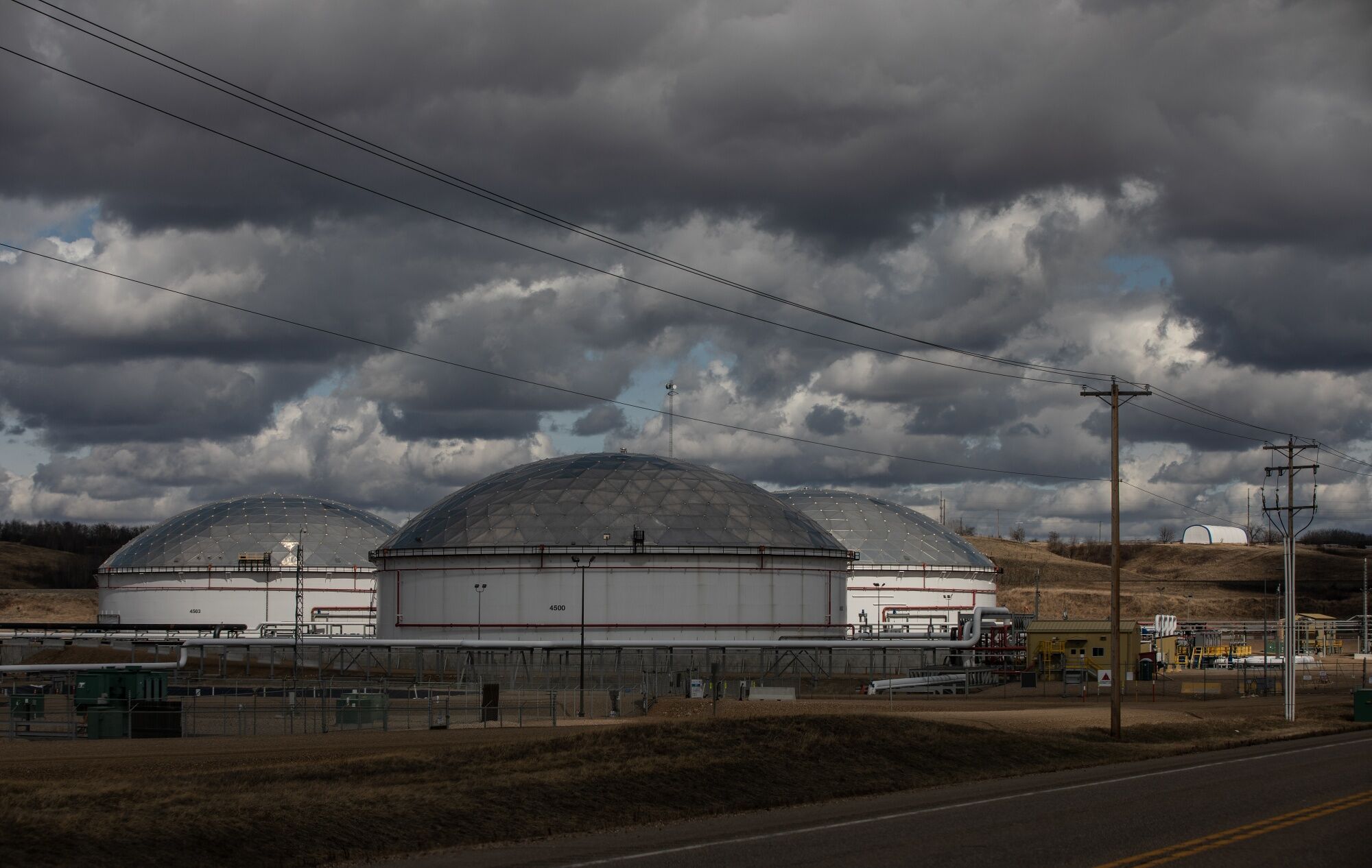
(Bloomberg) -- Oil fell for the third straight day as weak demand data from the US added to concerns that the global economy is heading toward recession.
The recent skid, which has brought West Texas Intermediate down 14% for the year, shows that a plan by OPEC and its allies to regain control of the market by cutting production starting this month isn't yet working. Brent's prompt spread, which reflects the price difference between July and August futures, has narrowed to a premium of 15 cents. That's down from a premium of as high as 43 cents at the start of the week, suggesting that traders see near-term supply outstripping demand.
“This is the toughest knife to catch since the pandemic-era rally,” said Daniel Ghali, a commodity strategist at TD Securities. The deterioration in Brent's timespread suggests a “significant slump in commodity demand expectations, with traders implicitly expecting that we are crash-landing. This is the first time that recessionary concerns have begun to be priced into energy markets.”
The Federal Reserve boosted rates 25 basis points Wednesday and hinted at a possible pause in its aggressive tightening campaign, though the news failed to arrest crude's decline.

Meanwhile, momentum-driven accounts, such as those overseen by commodity trading advisors, have exacerbated volatility, with estimates showing they are maxing out short bets.
Gasoline Demand
In the US, a government report Wednesday showed gasoline demand contracting and fuel supplies swelling. Jet fuel demand also dropped, while remaining slightly above year-earlier levels.
On the supply side, Russia has shown no signs of a sustained drop in crude flows out of the country, despite its pledge to cut production by 500,000 barrels a day. Exports jumped back above 4 million barrels a day in the week to April 28, a level surpassed only once since the country's troops invaded Ukraine in February 2022, according to tanker-tracking data compiled by Bloomberg.
However, there are concerns that Iran's seizure of a second oil tanker in a week may disrupt shipping in one of the world's most important trade routes. Pipeline shipments from Iraq's north and its Kurdish region to the Turkish port of Ceyhan remain idled due to a dispute between the two nations.
More stories like this are available on bloomberg.com
©2023 Bloomberg L.P.

-
Ten Things I Learnt This Samvat

Patience can be a trap. Cheap stocks can stay cheap. Leverage can wipe you out. What did Samvat 2082 teach us? Niraj Shah writes on 10 lessons from the year gone by.
-
Talking Points This Week: Tech Nerves, FII Buying, And A Faraway Banking Shock
The global markets are not shining this Diwali. The exception in the large markets is, India.
-
Midterm Rally Lasted A Day. The Hard Reality Of A Divided US May Last Two Years | Opinion
Between a contested AI boom, a debt ceiling that arrives in 2027 and a president with every incentive to act alone, the next two years may prove more volatile than the first day's rally suggests.
-
Blue Wave Will Derail the AI Trade but Won't Dismantle the AI Era | Unhedged Position
The Democrats' sweep of the US Congress will see politics collide with economic forces both over the long and short term.
-
It's Time To Take The GST Council's Bet On Trust Global
Payment records can prove India's services exports, and clear, proportionate rules can bring foreign digital sellers into the tax net.
-
Opinion | India at 38: From Innovation Overperformer to Innovation Powerhouse
India now has 453 VC-backed deep science startups, 18 of them late-stage, after 117 percent growth since 2020. Laurus Labs, at USD 9.3 billion, is the most valuable deep science company in any middle-income economy outside China.
-
Navigating Energy Crossroads: S Jaishankar's Call For Diversified Supply Chains At G20 Ministerial Meeting
As geopolitical fault lines continue to test maritime trade routes and commodity flows, Jaishankar's message remains pertinent: true economic resilience requires open markets, protected transit lines, and a genuine commitment to multilateral cooperation rather than coercion.
-
Indians Are Travelling, But Not Every Journey Is A Holiday | The Week In Whys
Pilgrims, patients and working women are the real travellers, and the system hasn't quite caught up with them.
-
Getting To Work Costs Women More | The Reason Why
It is not just about women paying more than men. It is about women paying much more in cities than in villages.









