BSE Celebrates 150 Years: A Look At The Journey Of Asia’s Oldest Stock Exchange
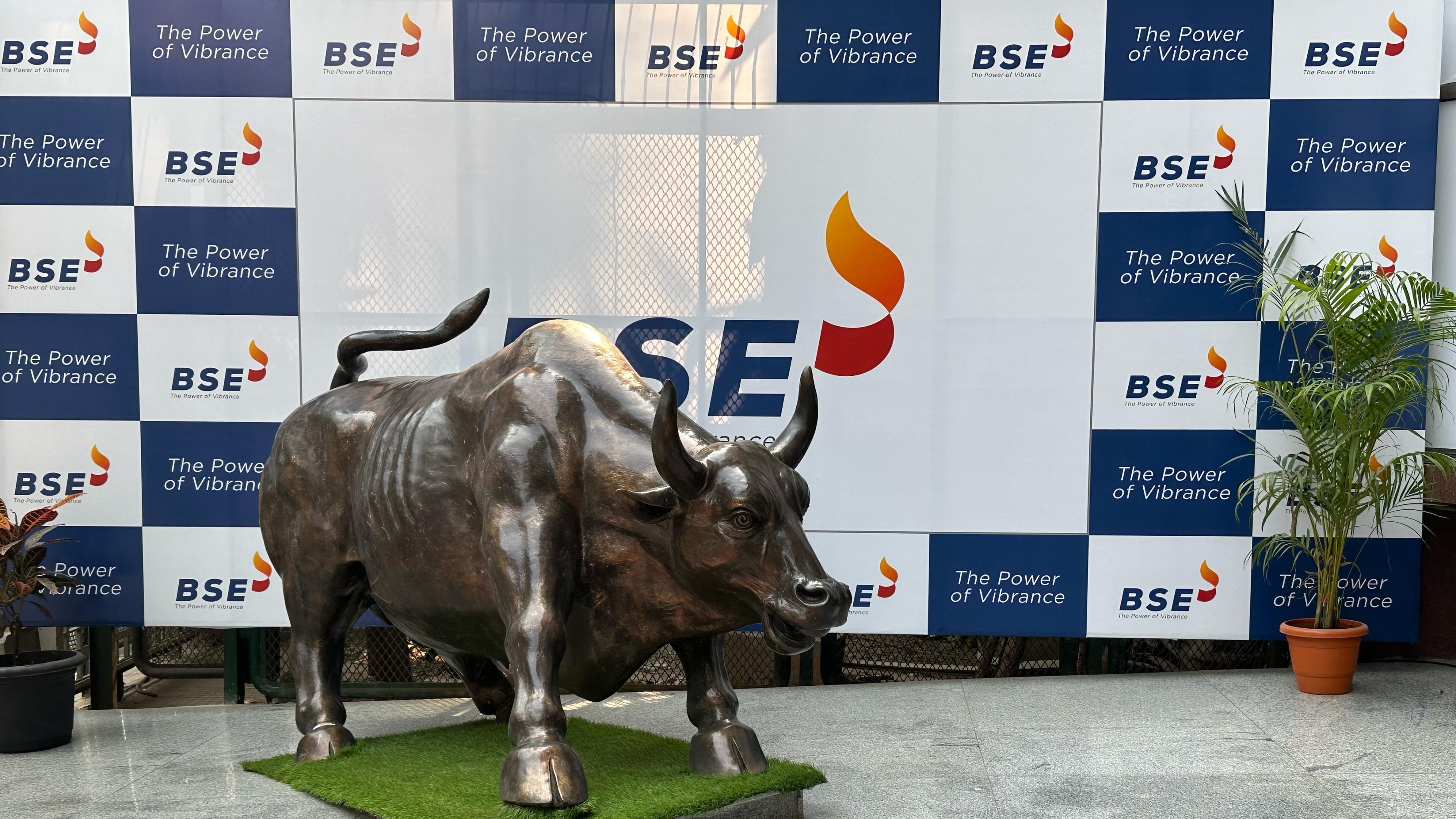
Asia's oldest stock exchange, BSE, completed 150 years on Wednesday. Initially known as Bombay Stock Exchange, BSE has turned into one of the largest stock exchanges in the world.
The stock exchange was founded by Premchand Roychand, who was known as the "cotton king" of Bombay. It started operations under a banyan tree on July 9, 1875, in South Mumbai.
View this post on InstagramThe formal origin of BSE started with the formation of the Native Share & Stock Brokers' Association in 1875, laying the foundation for Asia's oldest stock exchange. Over the decades, the exchange evolved with India's financial journey. BSE gained permanent recognition under the Securities Contracts (Regulation) Act on Aug. 31, 1957, which helped the institution strengthen its legal foundation. On Jan. 2, 1986, it launched the S&P BSE Sensex, India's first equity index, with a base of 100. Sensex has now surged above the 82,000 level, after marking its peak at 85,000 points in September 2024.
While this timeline focusses on BSE's journey after its institutionalisation, the story of how it came into existence is just as interesting.
The 150-year-old exchange first started operating under a banyan tree near the Town Hall in South Bombay. A few dozen brokers used to carry out their business there, eventually forming the Native Share and Stock Brokers' Association. This association was established with a contribution of Re 1 from each broker. Later, they settled on a trading hall in Dalal Street.
Struggling to pay rent for their Dalal Street trading hall, they were helped by Dinshaw Maneckji Petit, who was the founder of the first textile mill in India. He donated shares in his textile company, Victoria Manufacturing Co. Ltd., to help the brokers.
After repaying Petit his money, the association began its operations with the remaining capital. By 1899, they moved into their own building named after Petit. Today, that 29-storey building in Mumbai stands as the iconic Phiroze Jeejeebhoy Tower, which serves as reminder of the enduring spirit of India's capital markets.
Currently, the market capitalisation of all the BSE-listed companies stands at more than Rs 462.48 lakh crore. As many as 5,671 companies are listed on the BSE as of July 9, 2025.
Earlier, to mark the remarkable occasion of the 150th anniversary, BSE organised an event in April. Finance Minister Nirmala Sitharaman launched the BSE 150 index, a new benchmark index designed to track the performance of the top 150 constituents of the stock exchange based on market capitalisation.

-
Blue Wave Will Derail the AI Trade but Won't Dismantle the AI Era | Unhedged Position

The Democrats' sweep of the US Congress will see politics collide with economic forces both over the long and short term.
-
It's Time To Take The GST Council's Bet On Trust Global
Payment records can prove India's services exports, and clear, proportionate rules can bring foreign digital sellers into the tax net.
-
Opinion | India at 38: From Innovation Overperformer to Innovation Powerhouse
India now has 453 VC-backed deep science startups, 18 of them late-stage, after 117 percent growth since 2020. Laurus Labs, at USD 9.3 billion, is the most valuable deep science company in any middle-income economy outside China.
-
Navigating Energy Crossroads: S Jaishankar's Call For Diversified Supply Chains At G20 Ministerial Meeting
As geopolitical fault lines continue to test maritime trade routes and commodity flows, Jaishankar's message remains pertinent: true economic resilience requires open markets, protected transit lines, and a genuine commitment to multilateral cooperation rather than coercion.
-
Indians Are Travelling, But Not Every Journey Is A Holiday | The Week In Whys
Pilgrims, patients and working women are the real travellers, and the system hasn't quite caught up with them.
-
Getting To Work Costs Women More | The Reason Why
It is not just about women paying more than men. It is about women paying much more in cities than in villages.
-
AI Bias In Investing Cannot Be Eliminated, But It Can Be Governed
Framing is a particularly important example as identical financial information presented in terms of gains rather than losses can lead an LLM to reach a different assessment.
-
Joining The Dots | Dark Skies, Steady Diya: Why Hope Holds This Diwali
With war, a weak rupee and foreign outflows weighing on sentiment, policymakers at the NDTV World Summit and market veterans at NDTV Profit Ignite: Diwali Edition offered the same advice: stay invested and filter out the noise.
-
The Curious Case of Equitas Small Finance Bank And A CEO Who Quit For Stock
PN Vasudevan believes persistent investor concerns over a perceived conflict of interest had become a governance overhang on Equitas Small Finance Bank's stock, even as the lender improved profitability and asset quality.










