BPCL, HPCL, Indian Oil Get Target Price Cuts From HSBC On Roll-Forward Of Valuations
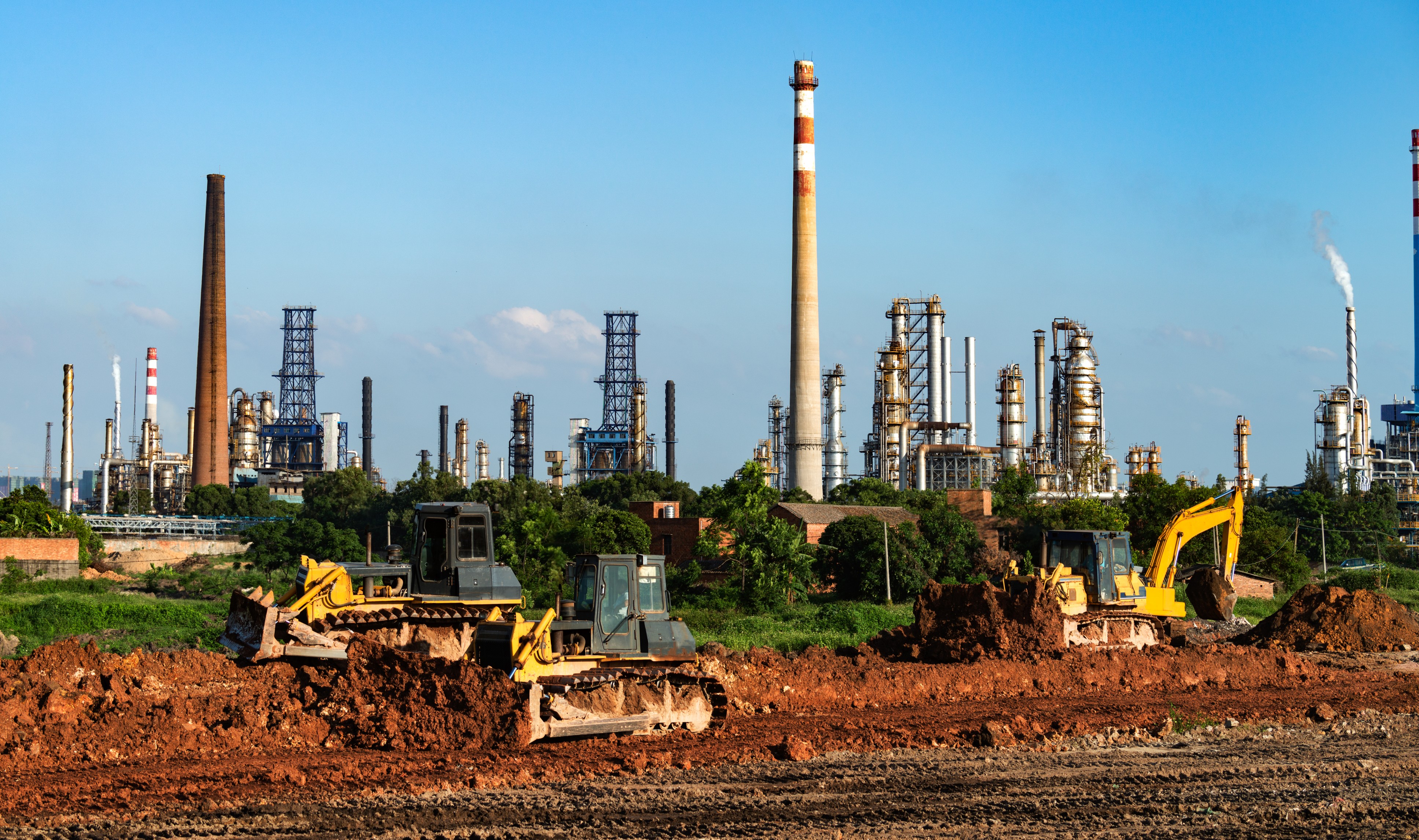
HSBC maintained 'buy' ratings on Bharat Petroleum Corp., Hindustan Petroleum Corp., and Indian Oil Corp., but cut target prices as it lowered target multiples. The price cut is offset by roll-forward of valuation. The lowered target prices are based on financial year 2026 book values.
BPCL's target price was lowered to Rs 440, HPCL's to Rs 450 and IOCL's to Rs 170 per share. The brokerage also cut refining margin estimates, given weakness in spreads. It noted an increase in marketing margins that have been robust, leading to changes to earnings. HSBC is bearish on the oil price from current levels, which should support long-term marketing margins.
Earnings And Outlook
Near-term volatility does not cause concern as the long-term fundamentals are supportive. The third quarter earnings were mostly as expected, according to HSBC, as the oil marketing companies reported profit despite taking a hit on LPG under-recovery. The weak gross refining margin does not bother the brokerage much, but further sanctions on Russian crude would be a loss and marketing margins will be volatile.
The third quarter earnings were largely in line with HSBC's estimates. Both BPCL and HPCL reported strong earnings growth driven by higher marketing margins. IOC, which is refining-heavy, was hit adversely on account of weak gross refining margin.
Prices And Products
HSBC sees further weakness in GRMs. But weak GRMs don't worry the brokerage much as petrol and diesel cracks don't matter as pump prices remain unchanged. Cracks of other refined products like naphtha and fuel oil do better, as these products are freely priced and allow refiners to earn the benefit.
The brokerage is worried about the declining share of Russian oil overall and the near-term volatilities will impact the fourth quarter earnings. But this will restrain the companies from cutting pump prices, according to HSBC.
External Factors
With earnings of OMCs being driven by market forces and government policies, GRM is influenced by market forces, according to HSBC. The marketing margins get influenced by Brent price and decisions on auto fuel pump prices. Losses on LPG are also dependent on timely payment of subsidies by the government.
Forces of inflation and budget management ultimately control these significant elements. Falling inflation and volatility in oil price, are supportive of marketing margins, according to the brokerage. Government budgets will decide the extent of subsidy as well.

-
Ten Things I Learnt This Samvat

Patience can be a trap. Cheap stocks can stay cheap. Leverage can wipe you out. What did Samvat 2082 teach us? Niraj Shah writes on 10 lessons from the year gone by.
-
Talking Points This Week: Tech Nerves, FII Buying, And A Faraway Banking Shock
The global markets are not shining this Diwali. The exception in the large markets is, India.
-
Midterm Rally Lasted A Day. The Hard Reality Of A Divided US May Last Two Years | Opinion
Between a contested AI boom, a debt ceiling that arrives in 2027 and a president with every incentive to act alone, the next two years may prove more volatile than the first day's rally suggests.
-
Blue Wave Will Derail the AI Trade but Won't Dismantle the AI Era | Unhedged Position
The Democrats' sweep of the US Congress will see politics collide with economic forces both over the long and short term.
-
It's Time To Take The GST Council's Bet On Trust Global
Payment records can prove India's services exports, and clear, proportionate rules can bring foreign digital sellers into the tax net.
-
Opinion | India at 38: From Innovation Overperformer to Innovation Powerhouse
India now has 453 VC-backed deep science startups, 18 of them late-stage, after 117 percent growth since 2020. Laurus Labs, at USD 9.3 billion, is the most valuable deep science company in any middle-income economy outside China.
-
Navigating Energy Crossroads: S Jaishankar's Call For Diversified Supply Chains At G20 Ministerial Meeting
As geopolitical fault lines continue to test maritime trade routes and commodity flows, Jaishankar's message remains pertinent: true economic resilience requires open markets, protected transit lines, and a genuine commitment to multilateral cooperation rather than coercion.
-
Indians Are Travelling, But Not Every Journey Is A Holiday | The Week In Whys
Pilgrims, patients and working women are the real travellers, and the system hasn't quite caught up with them.
-
Getting To Work Costs Women More | The Reason Why
It is not just about women paying more than men. It is about women paying much more in cities than in villages.









