Asia’s Favorite Bonds to Lure More Investors Amid Rate Cut Bets
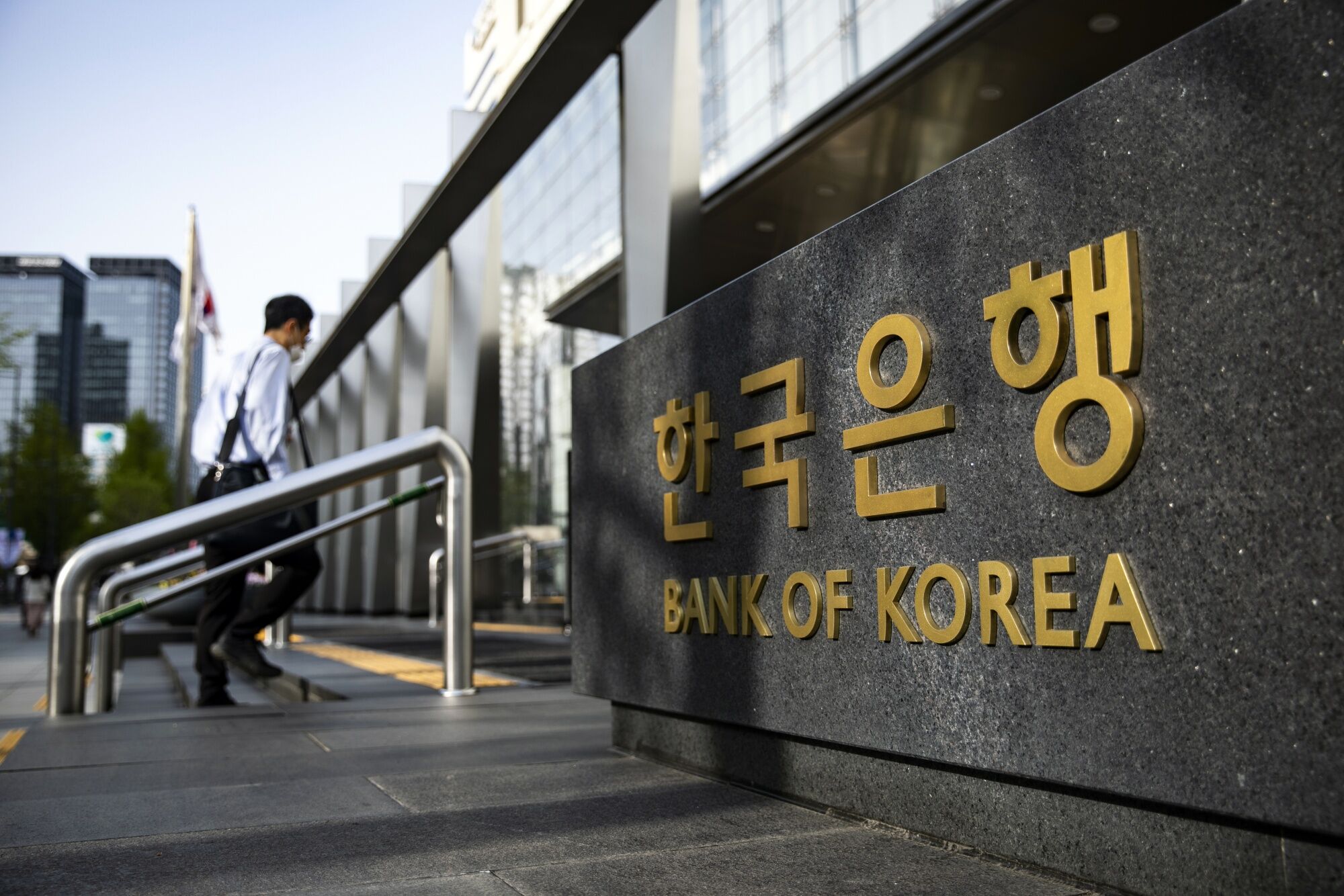
(Bloomberg) -- Foreign investors are likely to keep flocking into South Korean bonds as cooling inflation combined with growing concerns over the nation's key tech sector pressure the Bank of Korea to start easing policy as early as this year.
Offshore markets have already scooped up a net $13.8 billion of South Korean bonds this year, outstripping inflows into any other Asian country tracked by Bloomberg. The funds purchased the nation's debt for 35 straight days through March 6 to April 21, marking the longest streak of net buying since July 2021.
South Korean trade and CPI print due this week may fuel bets of an interest-rate cut in the latter half of the year, following data that showed inflation eased more than forecasted in March. Expectations for FTSE Russell to add South Korean bonds to its flagship bond index as early as September are also adding to the market optimism.

“Korea was among the first to hold rates this year, after starting to hike ahead of most other central banks — meaning it could be the first to pivot too,” said Ahn Jae-kyun, a fixed-income analyst at Shinhan Investment Corp., who expects the BOK to start cutting rates in October.
Growth trend looks weaker compared to the rest of the world, and the currency is deemed excessively weak which explains the deluge of inflows, Ahn said.
Despite the bond inflows, the Korean won — likely weighed by seasonal dividend-related outflows and weak trade — has dropped more than 6.2% against the dollar this year and is the worst performing currency in Asia. Analysts are expecting the won to strengthen to an average of around 1,230 per dollar by year-end, according to an average forecast in a Bloomberg survey. It closed at 1,339.03 on Friday.
As Korea's crucial chip sector slows down, analysts have consistently wagered for rate cuts this year with Nomura predicting as many as three cuts.
Korea has been buffeted by a sixth-month drop in exports marked by a record trade deficit in January amid falling semiconductor prices. Lurking credit worries linked to the nation's shaky housing market and growing tensions between US and China — Korea's two largest trading partners — have also added to risks.
“There is a chance for credit risks to burst out again with a number of real estate project financing loan expirations concentrated in the first half of the year,” said Kwon Keejoong, a fixed-income analyst at IBK Securities Co. Kwon expects foreign bond inflows to continue this quarter ahead of an anticipated rate cut at the end of the year.
Here are the key Asian economic data due this week:
- Monday, May 1: Jibun Bank Japan PMI manufacturing, Japan consumer confidence, Korea trade data, India S&P PMI manufacturing
- Tuesday, May 2: Japan monetary base, Korea CPI, Korea S&P PMI manufacturing, Indonesia S&P PMI manufacturing, Indonesia CPI, Thailand S&P PMI manufacturing, Thailand business sentiment, Malaysia S&P PMI manufacturing, Philippines S&P PMI manufacturing, Taiwan S&P PMI manufacturing, Hong Kong GDP
- Wednesday, May 3: India S&P PMI composite, Thailand CPI, Malaysia policy rate decision, Singapore purchasing managers index
- Thursday, May 4: China Caixin PMI manufacturing, Korea foreign reserves, Hong Kong S&P PMI manufacturing, Hong Kong retail sales
- Friday, May 5: China Caixin PMI composite, Indonesia GDP, Thailand foreign reserves, Philippines CPI, Taiwan CPI, Taiwan foreign reserves, Singapore retail sales
More stories like this are available on bloomberg.com
©2023 Bloomberg L.P.

-
Ten Things I Learnt This Samvat

Patience can be a trap. Cheap stocks can stay cheap. Leverage can wipe you out. What did Samvat 2082 teach us? Niraj Shah writes on 10 lessons from the year gone by.
-
Talking Points This Week: Tech Nerves, FII Buying, And A Faraway Banking Shock
The global markets are not shining this Diwali. The exception in the large markets is, India.
-
Midterm Rally Lasted A Day. The Hard Reality Of A Divided US May Last Two Years | Opinion
Between a contested AI boom, a debt ceiling that arrives in 2027 and a president with every incentive to act alone, the next two years may prove more volatile than the first day's rally suggests.
-
Blue Wave Will Derail the AI Trade but Won't Dismantle the AI Era | Unhedged Position
The Democrats' sweep of the US Congress will see politics collide with economic forces both over the long and short term.
-
It's Time To Take The GST Council's Bet On Trust Global
Payment records can prove India's services exports, and clear, proportionate rules can bring foreign digital sellers into the tax net.
-
Opinion | India at 38: From Innovation Overperformer to Innovation Powerhouse
India now has 453 VC-backed deep science startups, 18 of them late-stage, after 117 percent growth since 2020. Laurus Labs, at USD 9.3 billion, is the most valuable deep science company in any middle-income economy outside China.
-
Navigating Energy Crossroads: S Jaishankar's Call For Diversified Supply Chains At G20 Ministerial Meeting
As geopolitical fault lines continue to test maritime trade routes and commodity flows, Jaishankar's message remains pertinent: true economic resilience requires open markets, protected transit lines, and a genuine commitment to multilateral cooperation rather than coercion.
-
Indians Are Travelling, But Not Every Journey Is A Holiday | The Week In Whys
Pilgrims, patients and working women are the real travellers, and the system hasn't quite caught up with them.
-
Getting To Work Costs Women More | The Reason Why
It is not just about women paying more than men. It is about women paying much more in cities than in villages.









