Art Of Selling, Quality Investment And More: Govind Parikh Shares His Market Mantra
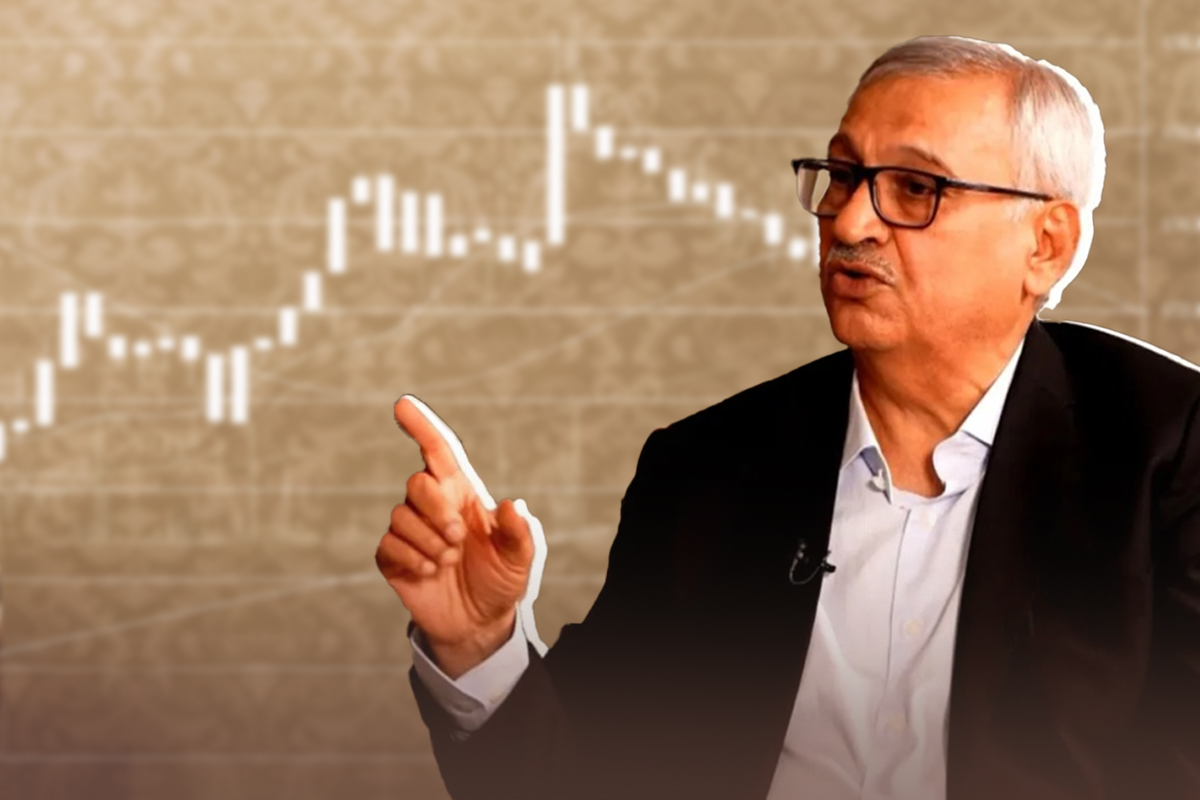
Ace investor Govind Parikh, in a conversation with NDTV Profit, shared insights from his over four-decade-long journey of investing in the Indian markets. He recommended young investors to focus on quality investment, while also learning the art of selling.
"Art of selling is more important than anything else. The asset you have is paper asset, so you should know when and how to encash," said the market veteran, who is also the managing director of Govind Parikh Securities Pvt.
Explaining the art of selling, Parikh said that if someone is buying a scrip of Rs 100, then the target price in his mind should be of Rs 150. But when it reaches Rs 150 and the chatter around that stock grows, then people decide to hold it till it reaches Rs 300. "Here, people make a mistake," he said.
"Investors should not go by the chatter around that stock... they should do a thorough research and ask themselves whether it will really reach Rs 300. If yes, then hold the stock. If not, then one should encash it," he added.
Parikh noted that his mantra for navigating the bull market is to "sell, regret and go rich", rather than waiting perpetually with all the accumulated stock for the market to rise further.
"When you sell, and the price goes up, you regret for a while because a bull run is underway. However, after some time, the price will come down and you realise that you became rich (due to profit booking)," he explained.
Although this strategy may lead to regrets over missed additional upsides, it protects the investment from downside risks and allows realisation of profit.
Parikh also believes that one should trim their holding in certain stocks when the market "goes up crazily". "When everyone starts asking what to buy, then at that time, we sell a little bit. This is done from a risk management point of view, as the cash collected at such a time is always going to be helpful," he said.
Focus On Quality Investments
Parikh stressed that investors should "not lose focus on quality investments". One should should do as much research as possible in the company they are looking to invest in, he said.
Before buying the stock, the research should be on the company's fundamentals, rather than going by the chatter around the stock, he suggested.
In his view, said Parikh, one should give preference to buy stocks of companies with good management, as "good management matters more than good industry".
The market expert also highlighted the importance of keeping cash in one's portfolio, as it allows to mop up stocks at attractive valuations at times of market correction.
"In 2008, the Nifty crashed 50% in six months...Unfortunately, I didn't have enough cash to buy at those attractive valuations. After that, I decided to keep at least 10% cash in our portfolio," Parikh said.
The learning from 2008 helped during the market crash following the Covid-19 outbreak in 2020, he said, adding he had then bought stocks at low valuations. "The lesson is always expect the unexpected to happen, and keep cash with you."
On the recent correction seen in the Indian market over the past few months, Parikh suggested that it was similar to six-month-long corrections that have been seen earlier. He is "extremely bullish" of a rebound.

-
High US Salaries, No Green Card Certainty: The Financial Calculation Facing Indian H-1B Families

The suspension of PERM processing at eight technology employers does not cancel existing H-1B visas. What it does is force a question many Indian families have been avoiding: is the US salary worth tying your career and family plans to one employer?
-
Swiggy vs Eternal: Food Delivery's Two Rivals Are No Longer In The Same Race
Eternal is building a private AI assistant, dark.ai. Swiggy is still working out how to make Instamart pay, with an operating loss of Rs 895 crore in the July-September quarter while Blinkit stayed profitable.
-
Where You Live Shapes How You Get To Work | The Reason Why
Two-wheelers are the most popular way to get to work in India, accounting for nearly 43% of workplace commutes.
-
Unhedged Position: Can India See An Indonesia-Style Time Correction?
The Nifty is trading below levels it first clocked in 2024. Is there, then, as I have suggested in the headline, potential that the current time correction drags on painfully for the next three-five, even ten years?
-
Navigating Friction And Energy Realities: An Analysis Of Marco Rubio's October Visit To India
Occurring at a critical juncture marked by stalled trade negotiations and escalating geopolitical pressures over global energy supplies, the visit offers a profound window into modern US-India relations.
-
India Exports Capital. Why Not Export Trusteeship?
The big question, then, is whether India can build an institution that global borrowers, investors, banks, and lawyers can trust, even without an Indian connection.
-
France's Economy & Politics Are In Crisis | The Reason Why
Let's look at how the French economy and politics evolved under Nicolas Sarkozy, Franois Hollande and Emmanuel Macron.
-
You May Inherit The Business. You Must Earn Its Credibility.
Succession tests the founder's ability to share authority as much as it tests the next generation's readiness to assume it.
-
Signing Deals Is One Thing; Making Them Work Is Another | The Week In Whys
Sometimes, things don't turn out as planned. Indian companies have lost some bids to rivals, some projects won't produce until 2030.
-
FOMC Wall, PERM Suspension, Hospital Stocks | Talking Points This Week
A PERM suspension would directly affect green-card sponsorship rather than H-1B visas, so the near-term earnings impact could remain relatively limited. The key question is whether this marks a new phase in US scrutiny of Indian IT.









