Multibagger Alert: Going From SME To Mainboard, Aditya Vision Gave Over 22,000% Returns In Five Years
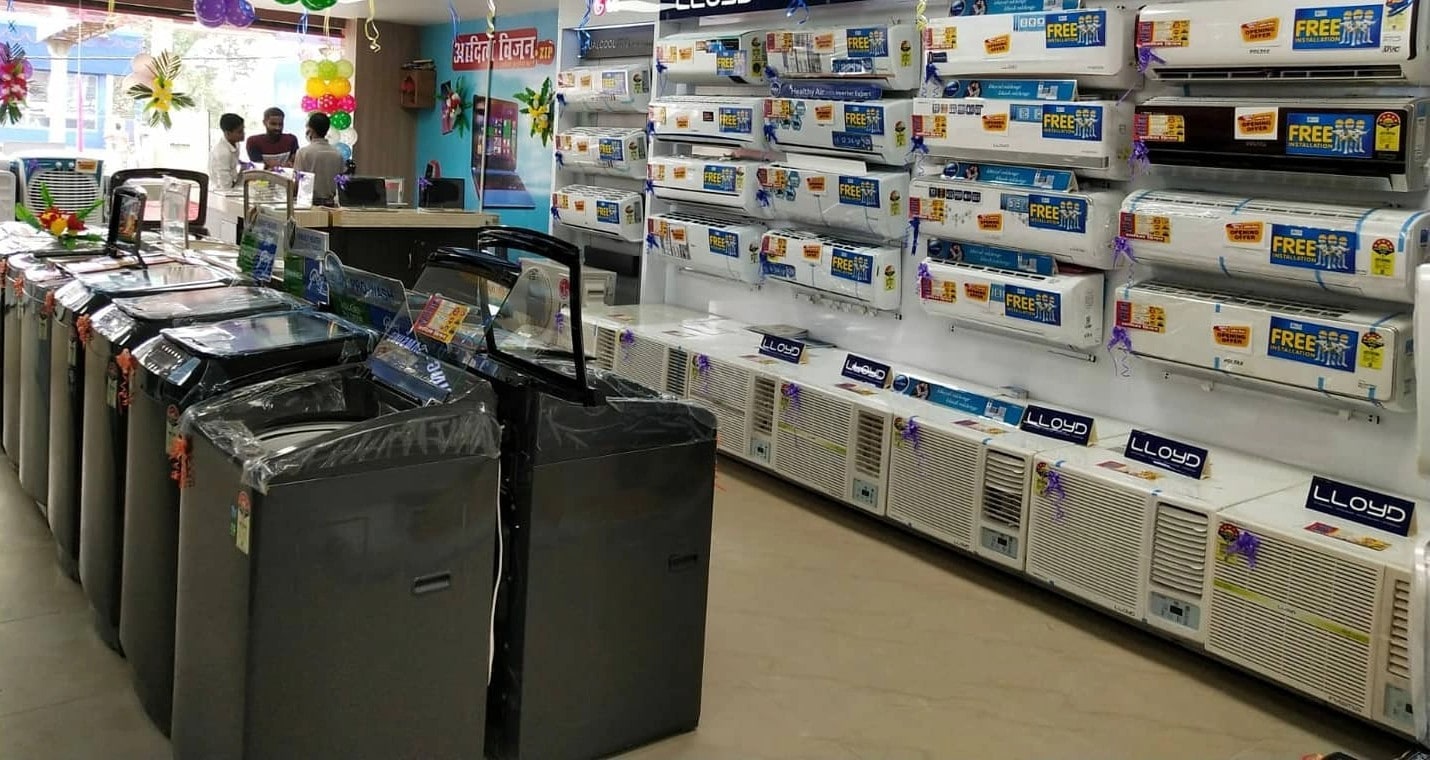
Aditya Vision Ltd., a multi-brand consumer electronics retail chain based in Bihar, has delivered stellar returns on its stock to investors.
After an IPO, the company was listed on the BSE SME platform in December 2016 at Rs 15.
Aditya Vision migrated its listing from the BSE SME platform to the BSE mainboard in January 2021. Additionally, it made its debut on the NSE Mainboard platform, with shares listed from Nov. 6, 2024.
Stock Return Profile
Aditya Vision's share price has risen 22,702% since June 2020. The scrip has, however, fallen nearly 10% in the last 12 months and 23% year-to-date.
The current market capitalisation is Rs 5,069 crore.
Mutual funds own 9.41% equity as of March. The HDFC Small Cap Fund has a 6.85% stake.
Foreign portfolio investors have a 16.63% stake, of which the US investment management company Capital Group owns 7.77%.
The stock has 25,141 retail investors holding nominal share capital up to Rs 2 lakh. They have a shareholding of 6.71%.
Analyst Recommendation
All seven analysts tracking Aditya Vision have a 'buy' rating on the stock, according to Bloomberg data. The average of a 12-month analyst price target of Rs 520 implies a return potential of 33%.
Financial Performance
Aditya Vision's revenue and profit growth have averaged 24% and 51%, respectively, between the financial years 2021 and 2025, as per Bloomberg data. Operating profitability, expressed in terms of the Ebitda margin, has averaged 9% during this period.
In fiscal 2025, revenue rose nearly 30% to Rs 2,260 crore. Net profit came in at Rs 106 crore, a jump of 36% over the last year.
Business Outlook
Aditya Vision successfully expanded its presence in FY25 by opening 30 new stores, achieving its guidance and bringing the total count to 175. Of these new additions, 15 were in Uttar Pradesh, 5 in Jharkhand, and 10 in Bihar.
Moving forward, the company aims to add 25-30 stores annually, with a strong focus on Uttar Pradesh to leverage its high population density. The company identifies a significant potential for 200 store additions within Uttar Pradesh alone, driven by the state's large area and dense population.

-
Ten Things I Learnt This Samvat

Patience can be a trap. Cheap stocks can stay cheap. Leverage can wipe you out. What did Samvat 2082 teach us? Niraj Shah writes on 10 lessons from the year gone by.
-
Talking Points This Week: Tech Nerves, FII Buying, And A Faraway Banking Shock
The global markets are not shining this Diwali. The exception in the large markets is, India.
-
Midterm Rally Lasted A Day. The Hard Reality Of A Divided US May Last Two Years | Opinion
Between a contested AI boom, a debt ceiling that arrives in 2027 and a president with every incentive to act alone, the next two years may prove more volatile than the first day's rally suggests.
-
Blue Wave Will Derail the AI Trade but Won't Dismantle the AI Era | Unhedged Position
The Democrats' sweep of the US Congress will see politics collide with economic forces both over the long and short term.
-
It's Time To Take The GST Council's Bet On Trust Global
Payment records can prove India's services exports, and clear, proportionate rules can bring foreign digital sellers into the tax net.
-
Opinion | India at 38: From Innovation Overperformer to Innovation Powerhouse
India now has 453 VC-backed deep science startups, 18 of them late-stage, after 117 percent growth since 2020. Laurus Labs, at USD 9.3 billion, is the most valuable deep science company in any middle-income economy outside China.
-
Navigating Energy Crossroads: S Jaishankar's Call For Diversified Supply Chains At G20 Ministerial Meeting
As geopolitical fault lines continue to test maritime trade routes and commodity flows, Jaishankar's message remains pertinent: true economic resilience requires open markets, protected transit lines, and a genuine commitment to multilateral cooperation rather than coercion.
-
Indians Are Travelling, But Not Every Journey Is A Holiday | The Week In Whys
Pilgrims, patients and working women are the real travellers, and the system hasn't quite caught up with them.
-
Getting To Work Costs Women More | The Reason Why
It is not just about women paying more than men. It is about women paying much more in cities than in villages.