Surprise Surge In Home Sales As Incentives Lure Buyers, Says Crisil
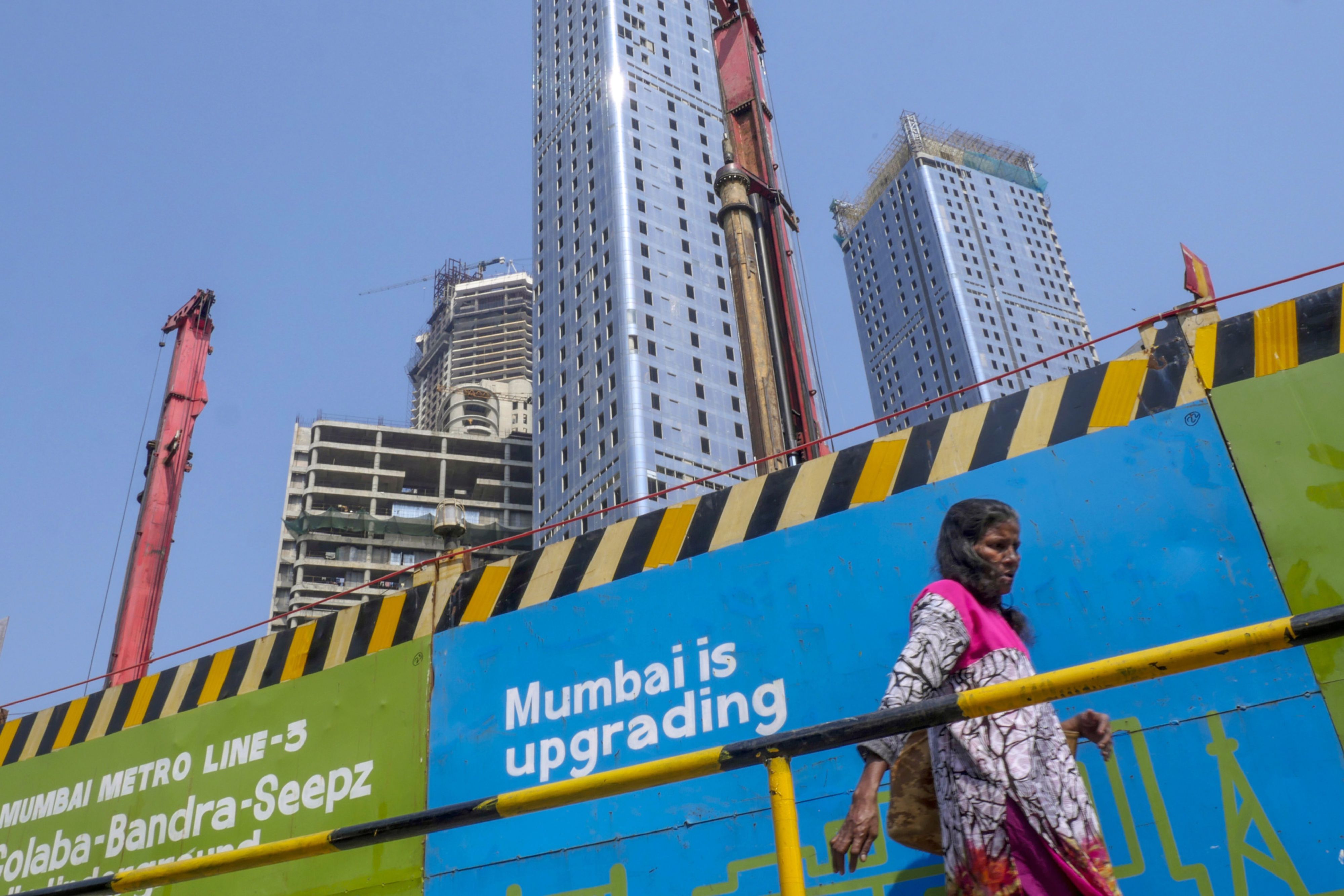
Home sales saw a surprise surge in the last couple of months, buoyed by incentives from state governments, according to Crisil Research.
Sales jumped in key markets to pre-Covid levels, Crisil Research said in a report. The number of residential units sold in Mumbai and the rest of Maharashtra, for instance, were 1.1-1.3 times higher during the period compared with January, it said.
Affordability across India's top 10 cities improved by up to 35% over the past five years, given favourable interest rates and reduction in property prices, Crisil said. Developers also offered 3-7% discounts in the first half of the fiscal. In addition, according to the report, reduction in stamp duty further improved affordability.
Maharashtra and Karnataka reduced stamp duty on real estate transactions to help the sector battered by the pandemic. Maharashtra lowered the levy from 5% to 2% up to December 2020 and to 3% for January-March 2021, the report highlighted. Karnataka reduced it from 5% to 3% for properties priced between Rs 21 lakh and Rs 35 lakh, it said.

That aided the September quarter earnings of listed developers, according to the report. The second quarter saw better-than-envisaged growth, and in most cases bookings for these players touched pre-Covid levels, Crisil said.
Developers in southern India performed better than their peers across India, it said, because of the larger presence of branded developers in the region.
The decline in profit in the first half of the ongoing fiscal for top seven listed developers—Sobha Ltd., Prestige Estate Projects Ltd., Mahindra Lifespace Developers Ltd., Godrej Properties Ltd., Brigade Enterprises Ltd., Oberoi Realty Ltd., Kolte Patil Developers Ltd.—has ranged between 10 and 20% compared with 50-60% for those in top 10 cities, Crisil said, indicating a shift towards bigger developers.
“On a full-year basis, we estimate overall primary sales to witness a decline of 40-50% in top 10 cities,” the report said. “With ‘ready to move' inventory constituting 10-20% of the total inventory in key cities and upcoming supply this fiscal at similar levels, capital values are likely to remain under pressure at least for the rest of this fiscal.”

-
Ten Things I Learnt This Samvat

Patience can be a trap. Cheap stocks can stay cheap. Leverage can wipe you out. What did Samvat 2082 teach us? Niraj Shah writes on 10 lessons from the year gone by.
-
Talking Points This Week: Tech Nerves, FII Buying, And A Faraway Banking Shock
The global markets are not shining this Diwali. The exception in the large markets is, India.
-
Midterm Rally Lasted A Day. The Hard Reality Of A Divided US May Last Two Years | Opinion
Between a contested AI boom, a debt ceiling that arrives in 2027 and a president with every incentive to act alone, the next two years may prove more volatile than the first day's rally suggests.
-
Blue Wave Will Derail the AI Trade but Won't Dismantle the AI Era | Unhedged Position
The Democrats' sweep of the US Congress will see politics collide with economic forces both over the long and short term.
-
It's Time To Take The GST Council's Bet On Trust Global
Payment records can prove India's services exports, and clear, proportionate rules can bring foreign digital sellers into the tax net.
-
Opinion | India at 38: From Innovation Overperformer to Innovation Powerhouse
India now has 453 VC-backed deep science startups, 18 of them late-stage, after 117 percent growth since 2020. Laurus Labs, at USD 9.3 billion, is the most valuable deep science company in any middle-income economy outside China.
-
Navigating Energy Crossroads: S Jaishankar's Call For Diversified Supply Chains At G20 Ministerial Meeting
As geopolitical fault lines continue to test maritime trade routes and commodity flows, Jaishankar's message remains pertinent: true economic resilience requires open markets, protected transit lines, and a genuine commitment to multilateral cooperation rather than coercion.
-
Indians Are Travelling, But Not Every Journey Is A Holiday | The Week In Whys
Pilgrims, patients and working women are the real travellers, and the system hasn't quite caught up with them.
-
Getting To Work Costs Women More | The Reason Why
It is not just about women paying more than men. It is about women paying much more in cities than in villages.









