Ratan Tata (1937-2024): Indian Industrialist And Humanitarian Leaves Lasting Legacy
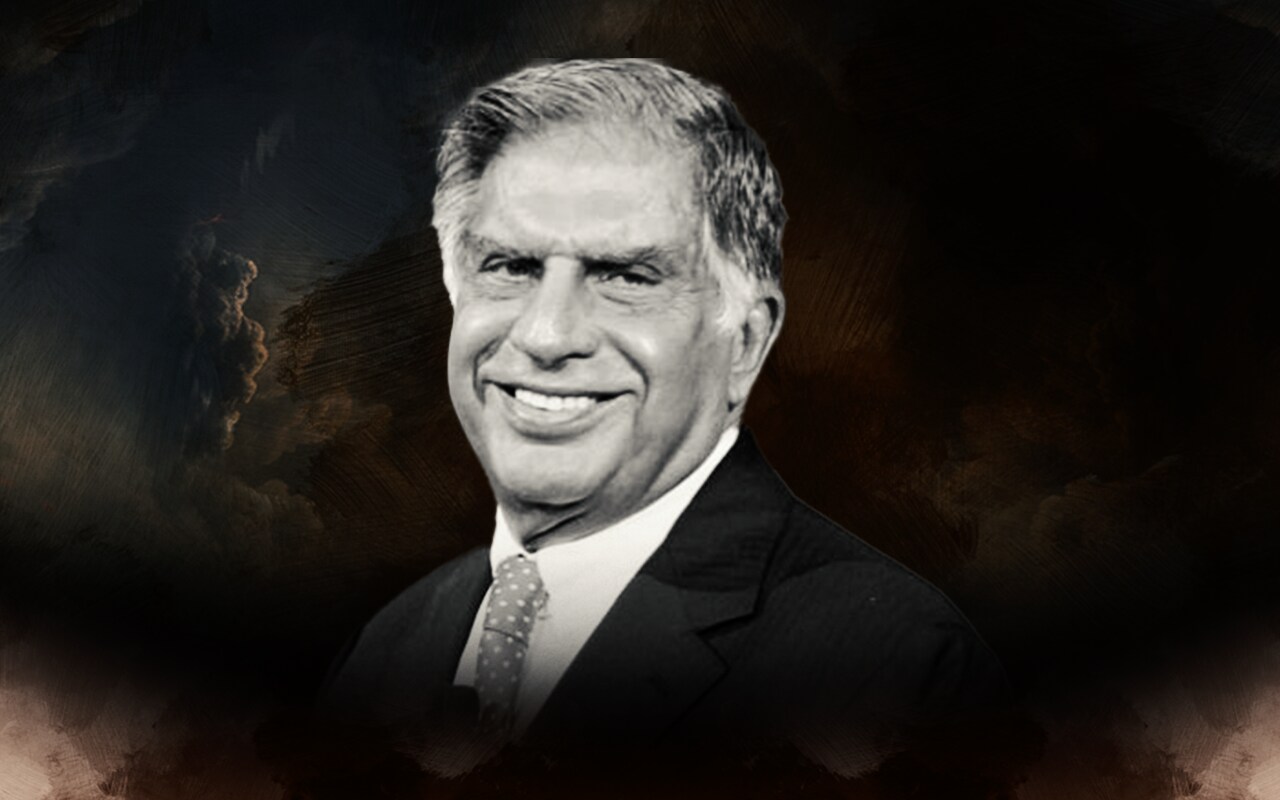
Ratan Tata, former chairman and chairman emeritus of Tata Sons and a highly regarded Indian industrialist, died on Wednesday at the age of 86. Known for his transformative leadership and charitable work, Tata leaves a legacy that influenced contemporary Indian industry and made a substantial impact on society.
Ratan Tata was born on Dec. 28, 1937, into the prominent Tata family as the son of Naval Tata and Sooni Tata. He completed his primary education in Mumbai before continuing his studies at Cornell University, where he obtained a degree in architecture and structural engineering. Later, Tata attended the Harvard Business School for an advanced management programme. He joined the Tata Group in 1962, starting his career as an apprentice at Tata Steel and rapidly advancing through the ranks.
Transformative Leadership
Tata assumed the role of chairman of Tata Sons in 1991, succeeding JRD Tata. Throughout his time in this position, he led a significant transformation of the Tata Group, guiding it towards diversification and globalisation. Under his leadership, the group expanded into various sectors, including steel, automobiles, information technology, telecommunications, and hospitality. His role as an Indian business leader was pivotal in steering the Tata Group's international expansion.
One of Tata's notable accomplishments was the introduction of the Tata Nano in 2008. Marketed as the world's most affordable car, the Nano aimed to offer safe and economical transportation for India's growing middle class. Despite encountering various obstacles, the project demonstrated Tata's dedication to automotive innovation and his vision of making mobility accessible to everyone.
Global Expansion And Acquisitions
Tata was instrumental in the group's international expansion. His strategic acquisitions included the purchase of Jaguar Land Rover in 2008 and Corus Steel in 2007, positioning Tata Group as a significant player in the global automotive and steel sectors. These actions not only elevated the group's international standing but also demonstrated Tata's capacity to adapt and succeed in a competitive global market.
Tata's leadership style focused on integrity, humility, and sustainable development. He promoted corporate social responsibility and ensured that Tata Group adhered to ethical business practices. Tata emphasised the importance of contributing to society, and his initiatives established a benchmark for responsible corporate governance in India.
Philanthropic Legacy
Tata was a committed philanthropist in addition to his business accomplishments. He significantly contributed to the Tata Trusts, which have played a key role in funding various social initiatives across India. The Trusts concentrate on education, healthcare, rural development, and the arts and culture, positively affecting millions of lives in the country. His philanthropic work received recognition through numerous awards, including the Padma Bhushan and the Padma Vibhushan, which are India's second and third highest civilian honours.
Tata retired from his position as chairman of Tata Sons in 2012 but remained active in various philanthropic and business ventures. He continued to be a prominent figure in Indian industry, mentoring young entrepreneurs and advocating for social causes. His dedication to education and innovation drove him to support various educational institutions and start-ups, helping to cultivate a new generation of leaders.
Lasting Influence
Tata was a committed philanthropist in addition to his business accomplishments. He significantly contributed to the Tata Trusts, which have played a key role in funding various social initiatives across India. The Trusts concentrate on education, healthcare, rural development, and the arts and culture, positively affecting millions of lives in the country. His philanthropic work received recognition through numerous awards, including the Padma Bhushan and the Padma Vibhushan, which are India's second and third highest civilian honours.
Tata retired from his position as chairman of Tata Sons in 2012 but remained active in various philanthropic and business ventures. He continued to be a prominent figure in Indian industry, mentoring young entrepreneurs and advocating for social causes. His dedication to education and innovation drove him to support various educational institutions and start-ups, helping to cultivate a new generation of leaders.
Ratan Tata: The Legacy Of A Titan

-
Extracting Value From Battery Scrap Could Be Challenging For India | The Reason Why

A discarded lithium-ion battery still contains valuable materials such as lithium, nickel and cobalt. These can be recovered and reused. When such batteries are crushed and shredded, they produce a dark powder called black mass.
-
One El Nino, India Can Handle. Two Could Break The Granary
India's grain stocks can absorb one bad year, but a second El Nino could drain the buffer in two to three years, economists say.
-
India's Troika Of Good Luck | Joining The Dots
As Jensen Huang's exit drags Nvidia down, a cooling AI trade and resilient earnings have revived investor interest in India. A likely RBI rate hike looms.
-
Talking Points This Week: Leadership Shock At Nvidia, Earnings Strength, And The Fog Over Hormuz
The Anthropic IPO pricing and first trading day, Nvidia's upcoming earnings, and any fresh signals from Iran will set the tone for the following week.
-
Signature Play: The Classic Cocktail Is Dead. Or Is It?
Classic cocktails are disappearing from India's cocktail menus. But they're still being ordered, taught to bartenders and borrowed from. So, who's really having the last drink?
-
A New Samvat Wishlist: Inclusive Prosperity And Human Development
India has strengthened its economic foundations through infrastructure, digital access and enterprise. Its next growth chapter must deepen productivity, create better livelihoods and widen participation in prosperity.
-
Love, Sex Aur Dhokha: The Audacious Plot To Spy On Jensen Huang
A Taipei dinner, a Singapore chip buyer and a suspected Chinese asset: inside the alleged spy operation that got close to NVIDIA's Jensen Huang.
-
Ten Things I Learnt This Samvat
Patience can be a trap. Cheap stocks can stay cheap. Leverage can wipe you out. What did Samvat 2082 teach us? Niraj Shah writes on 10 lessons from the year gone by.
-
Talking Points This Week: Tech Nerves, FII Buying, And A Faraway Banking Shock
The global markets are not shining this Diwali. The exception in the large markets is, India.
-
Midterm Rally Lasted A Day. The Hard Reality Of A Divided US May Last Two Years | Opinion
Between a contested AI boom, a debt ceiling that arrives in 2027 and a president with every incentive to act alone, the next two years may prove more volatile than the first day's rally suggests.









